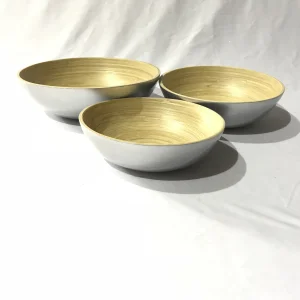
An analytical exploration of global manufacturing, material mechanics, environmental imperatives, and procurement strategies for corporate purchasers seeking premium bamboo tableware.
In the wake of heightened consumer awareness and stringent international legislation regarding single-use plastics, the global food packaging and kitchenware industries are undergoing a massive shift toward sustainable substrates. Specifically, the food and beverage industry faces pressure from regulations like the European Union's Single-Use Plastics Directive and North American bans on expanded polystyrene (EPS). B2B procurement professionals, brand executives, and supply chain managers are scrambling to secure high-quality alternative materials. Among these, bamboo has emerged as a premier bio-based material, prized for its high tensile strength, rapid regeneration, and low environmental footprint.
This industry white paper analyzes the key market drivers, physical characteristics, manufacturing protocols, and regional manufacturing hubs that dictate the sourcing landscape for bamboo salad bowls, and why selecting the right supplier-exporter in China represents a highly competitive strategy for international enterprises.
At the forefront of sustainable kitchenware development is Shandong Ghella Kitchen Co., Ltd., a professional manufacturer specializing in premium kitchenware and eco-friendly tableware in China. Established in 2017, we have spent years scaling and perfecting the supply chain mechanics of organic tableware. With our own stable raw material supply base, we ensure sufficient production capacity and consistent quality control from raw harvest to finished, packaged products.
Backed by advanced production technology and a strong engineering and technical team, our focus spans beyond basic bamboo tableware. We develop a comprehensive range of products, including bamboo whisks, bamboo skewers, chopsticks, food tongs, party decoration picks, and customized salad bowls. We constantly expand our product offerings to meet the growing global demand for reusable and single-use kitchenware.
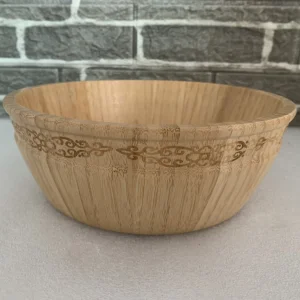
To support diversified market needs, we operate professional packaging workshops equipped with high-tech machinery, such as laser engraving machines, pad printing machines, hot stamping machines, and automatic plastic sealing equipment. This advanced facility enables us to provide flexible customization (OEM/ODM) to support global retail packaging, customized branding, and private labels. Our products are exported to the United States, United Kingdom, Germany, France, Italy, Japan, the Middle East, and Southeast Asia. Built on the philosophy of "Quality First, Customer First, and Integrity Supreme," we continue to deliver reliable kitchen solutions that align with modern ESG goals.
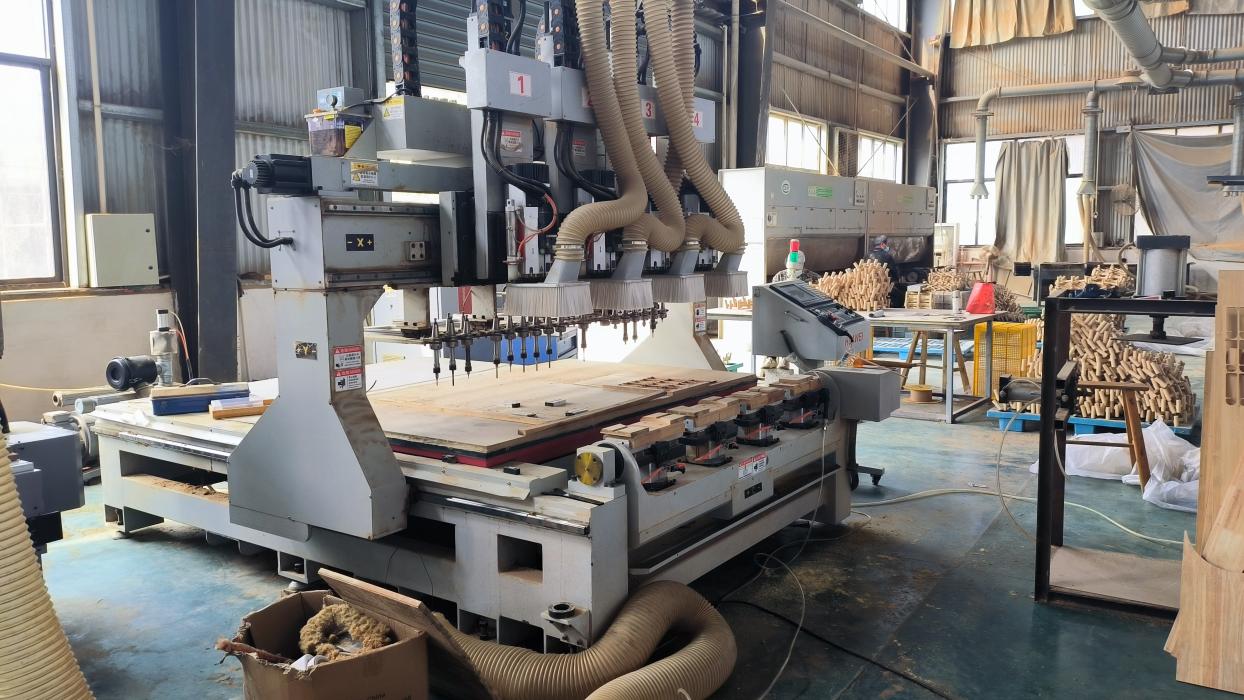
Producing a durable, food-safe bamboo salad bowl requires rigorous manufacturing discipline. Every step, from cutting culms to surface treatment and final custom laser marking, must be precision-engineered to prevent cracking, moisture absorption, and mold development.
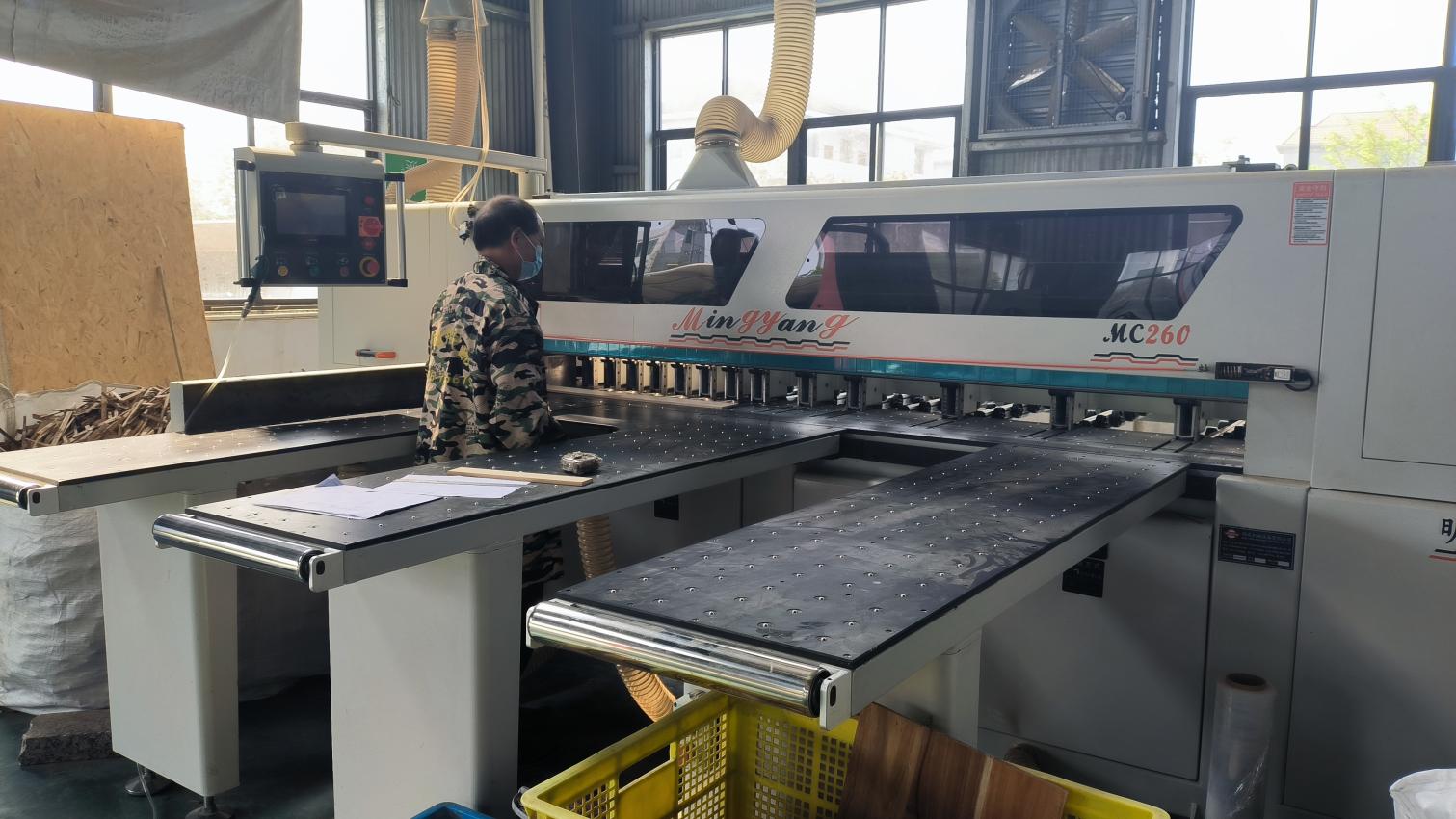
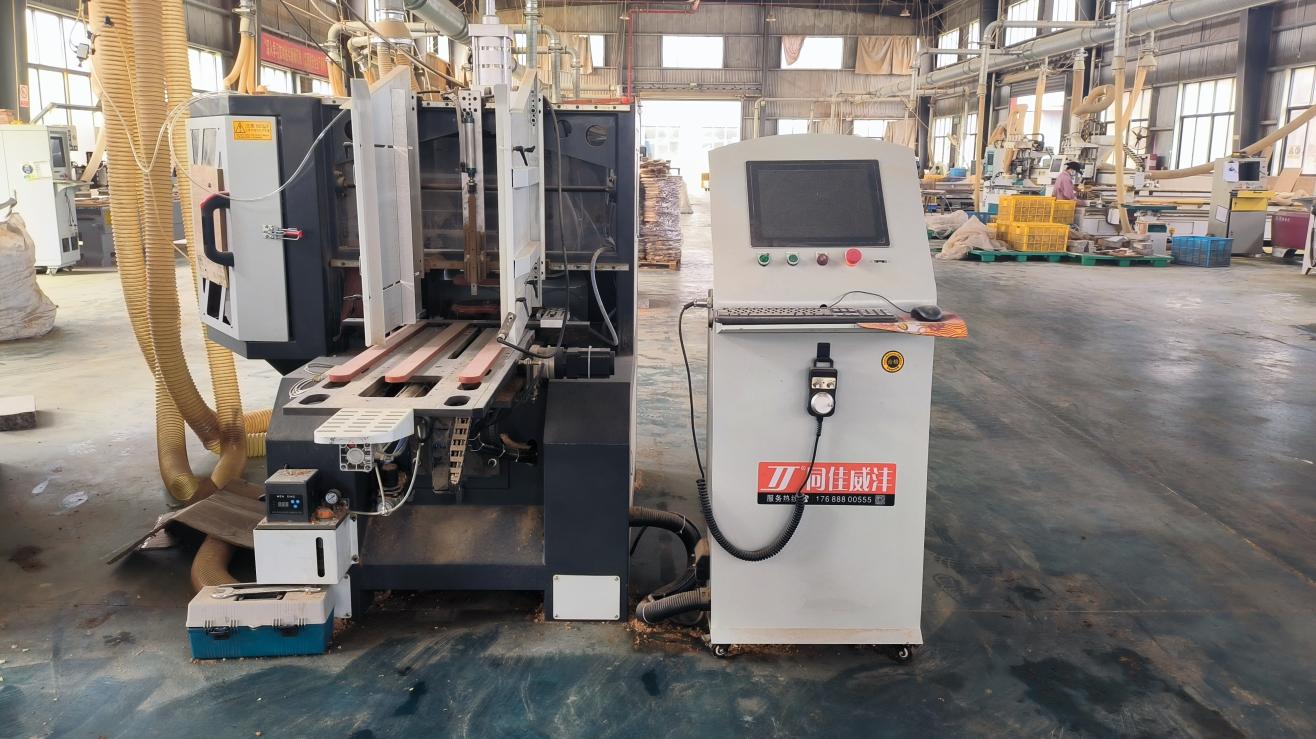
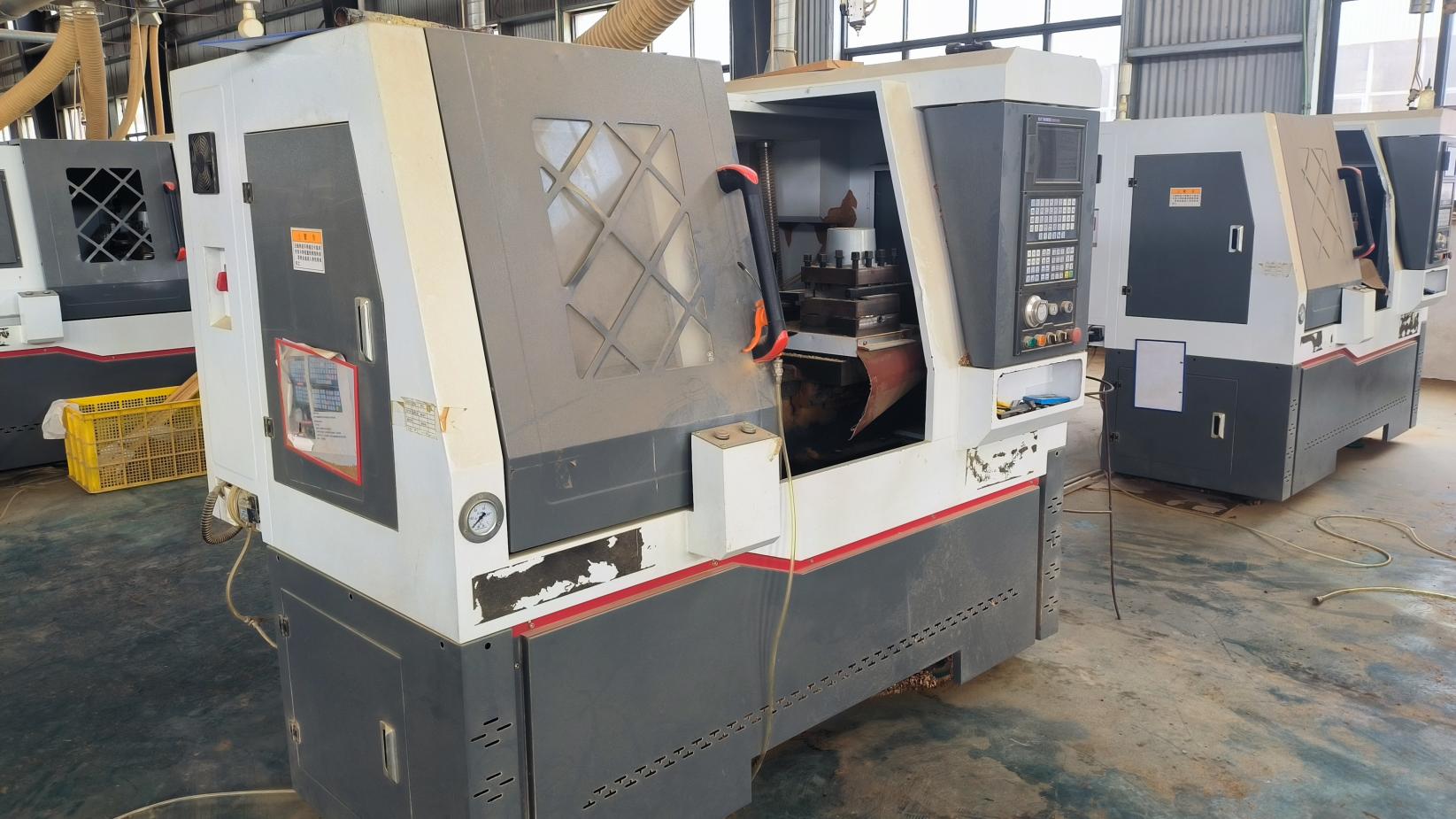
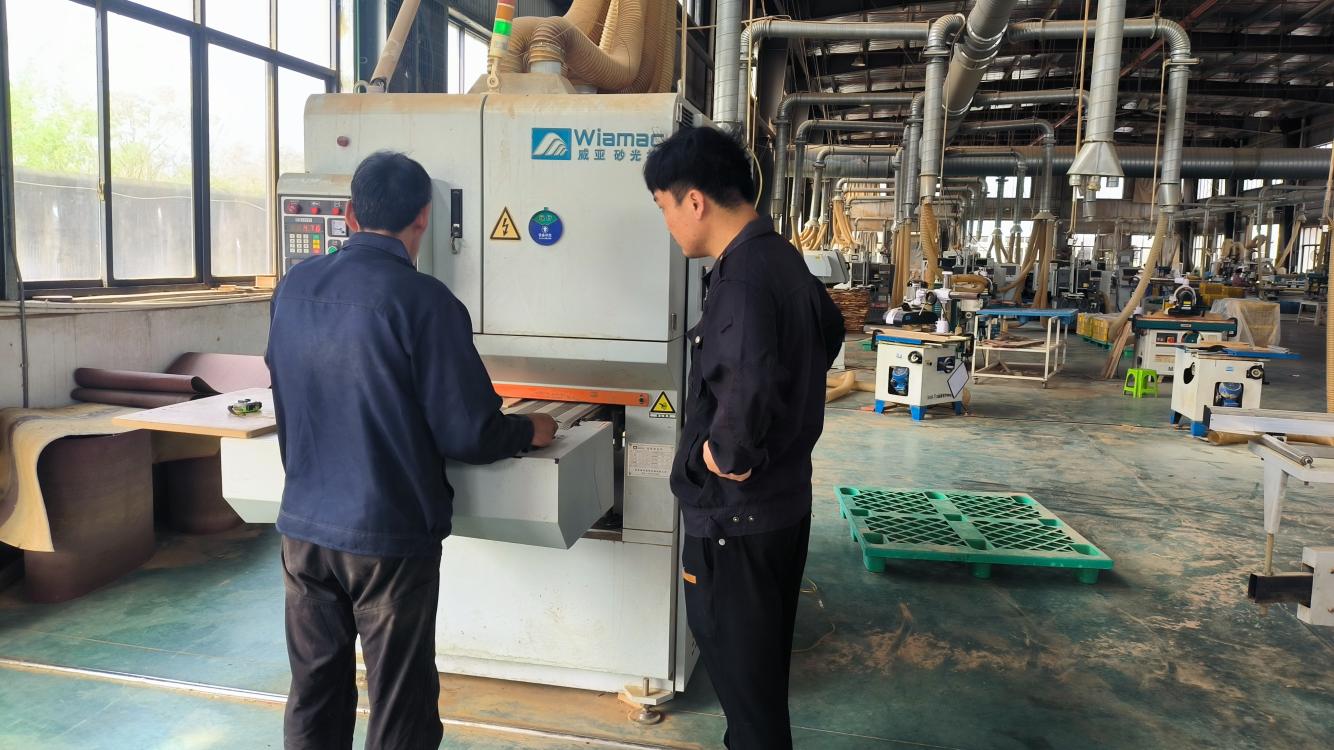
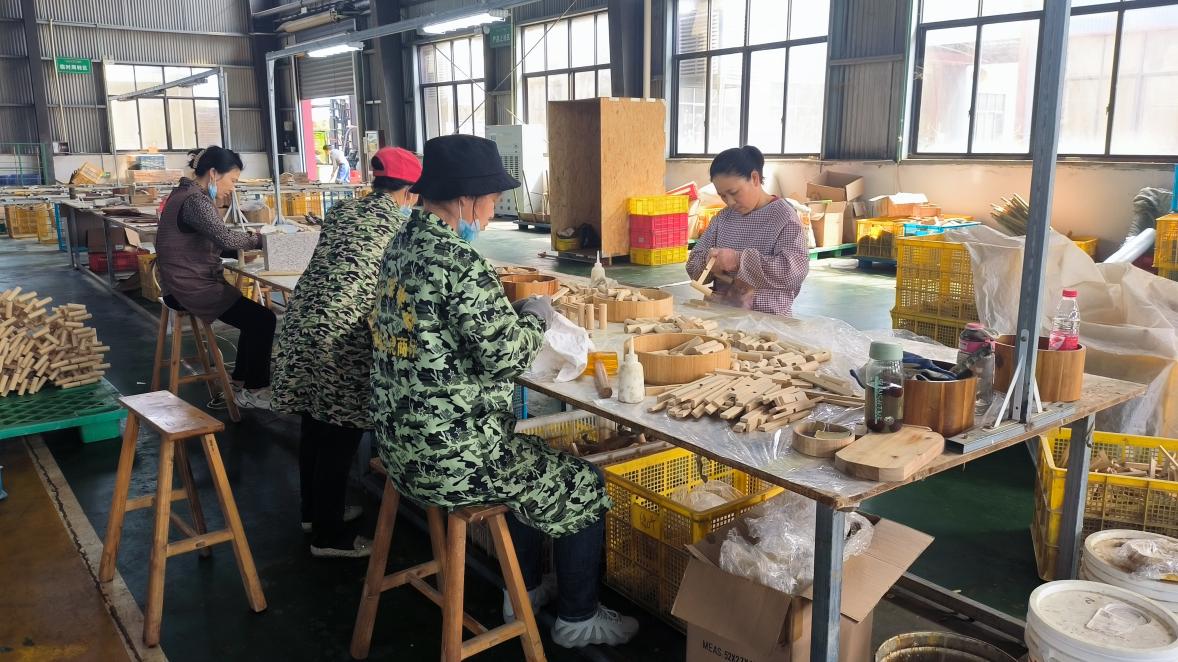
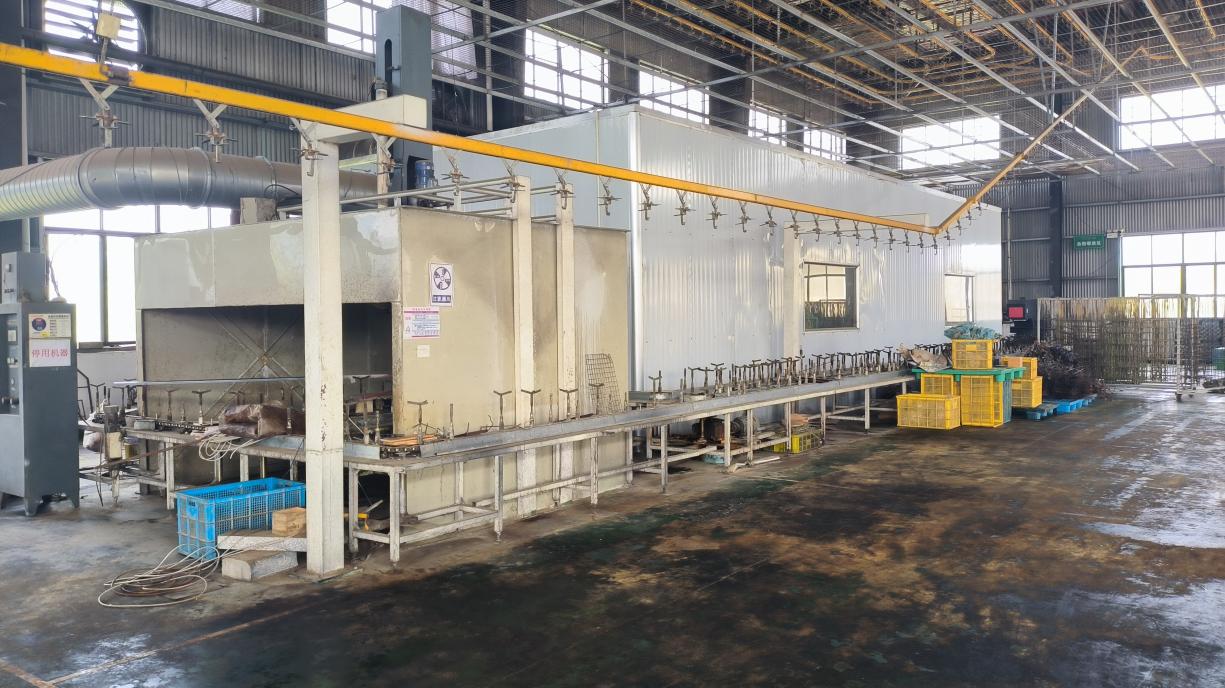
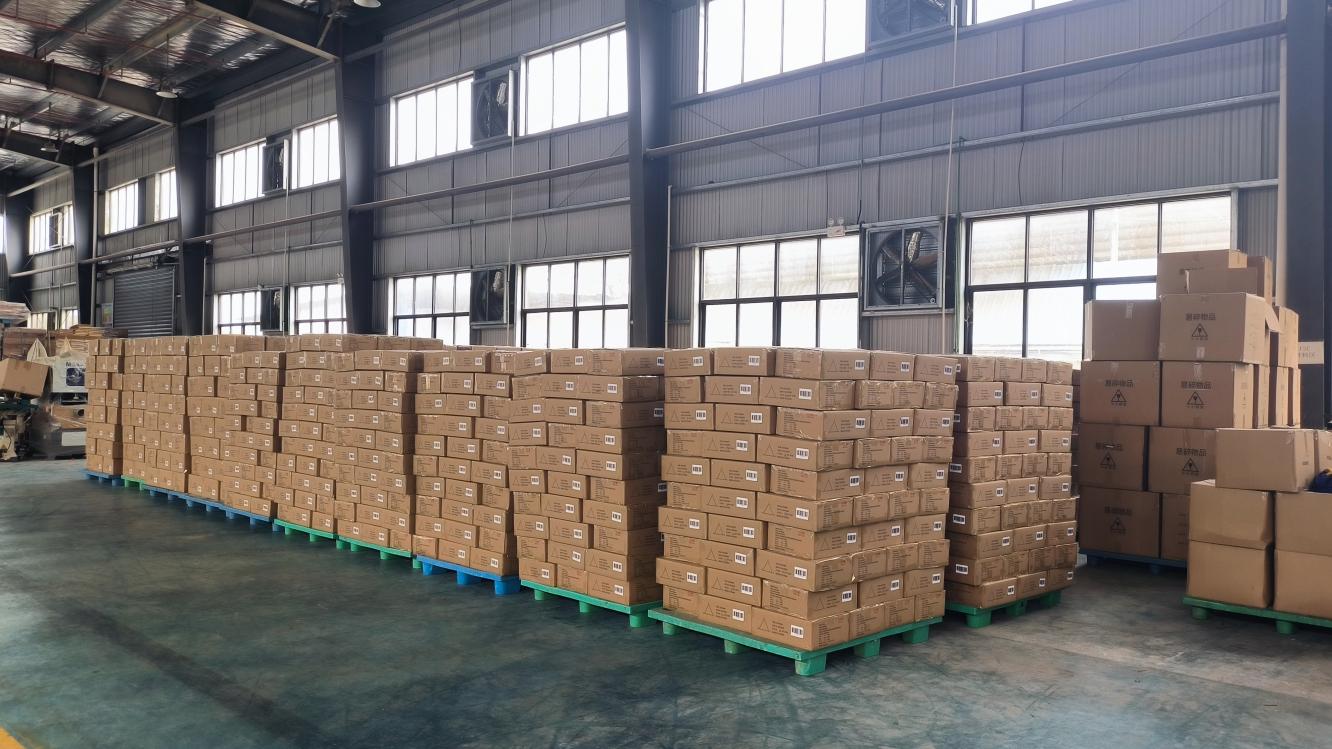
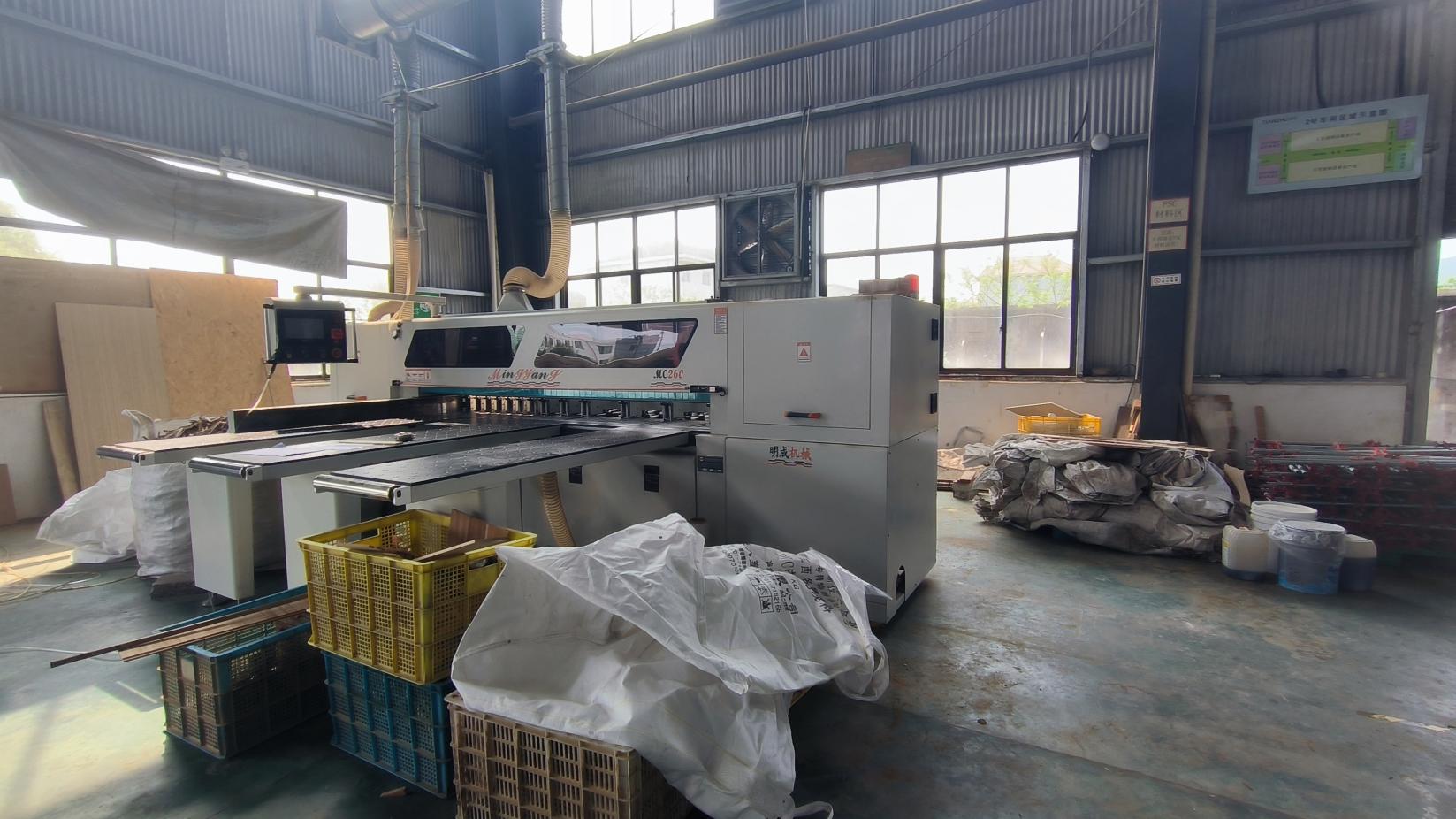
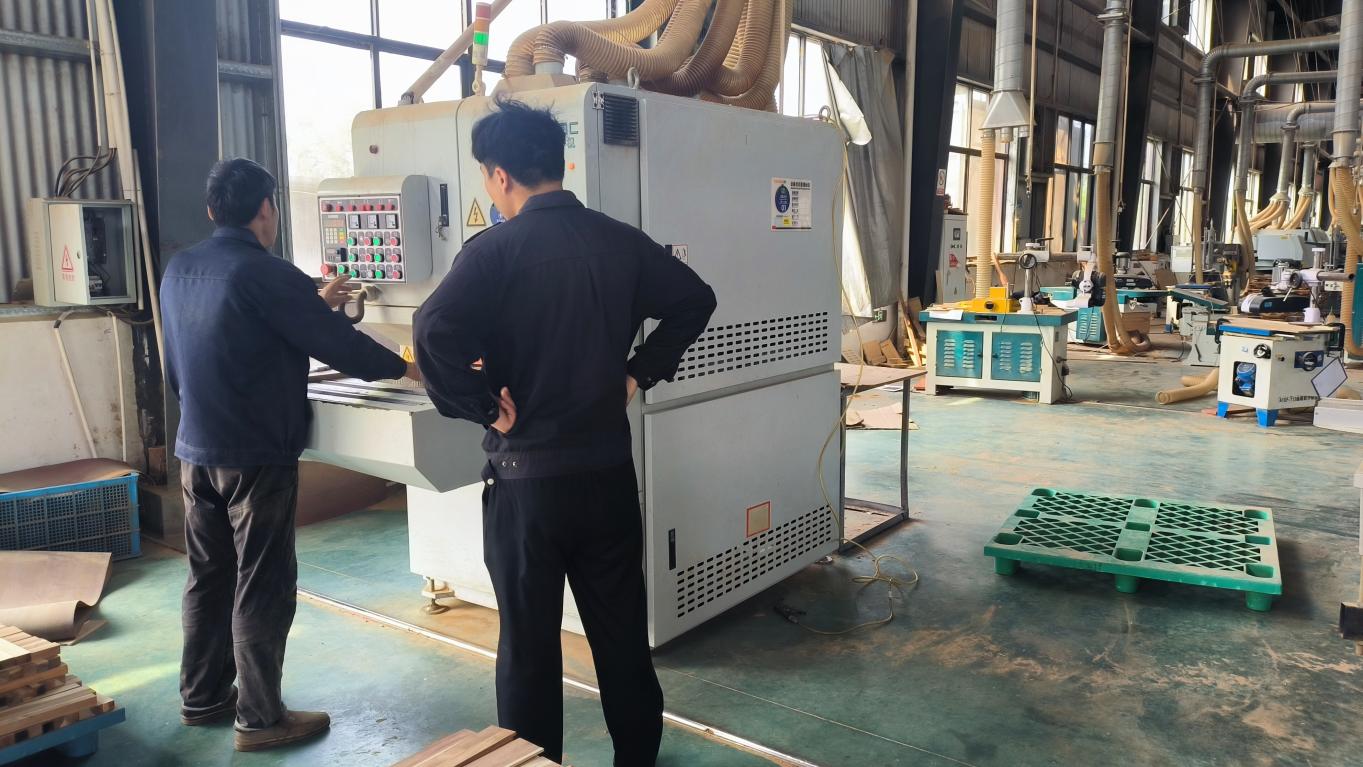
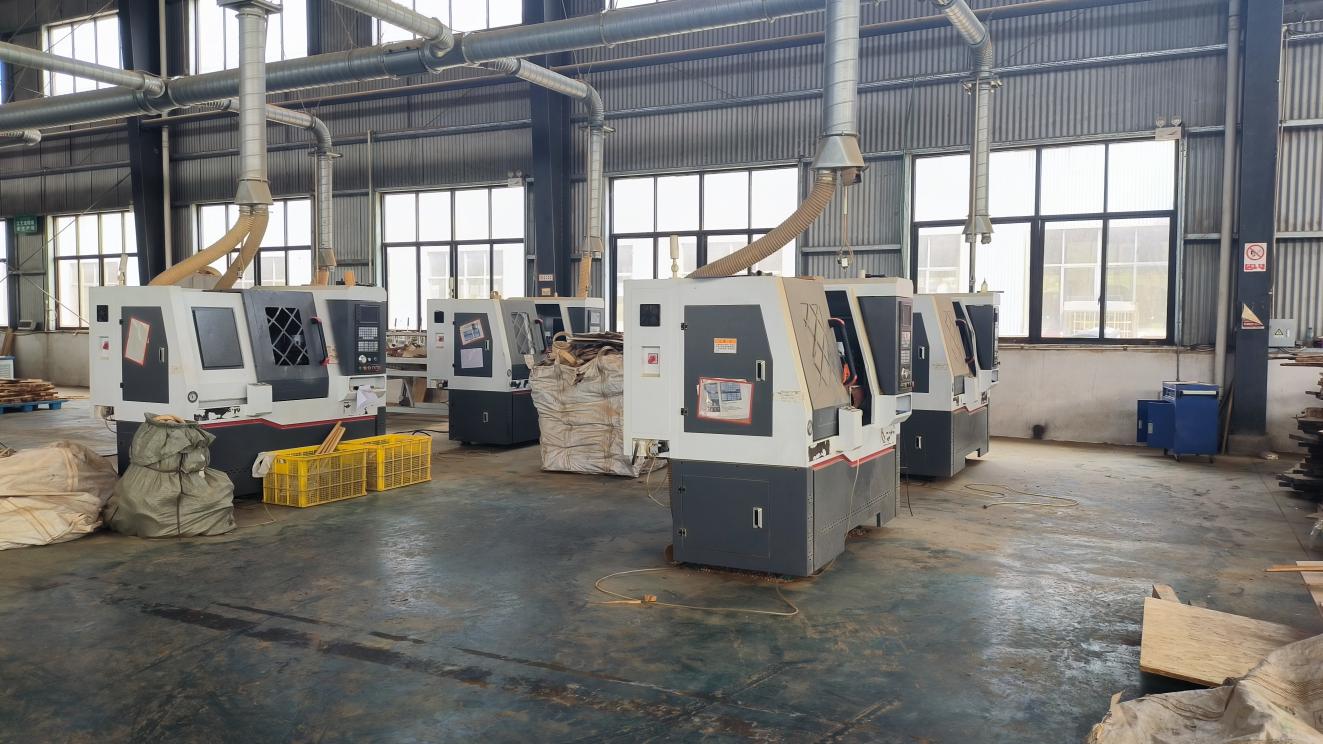
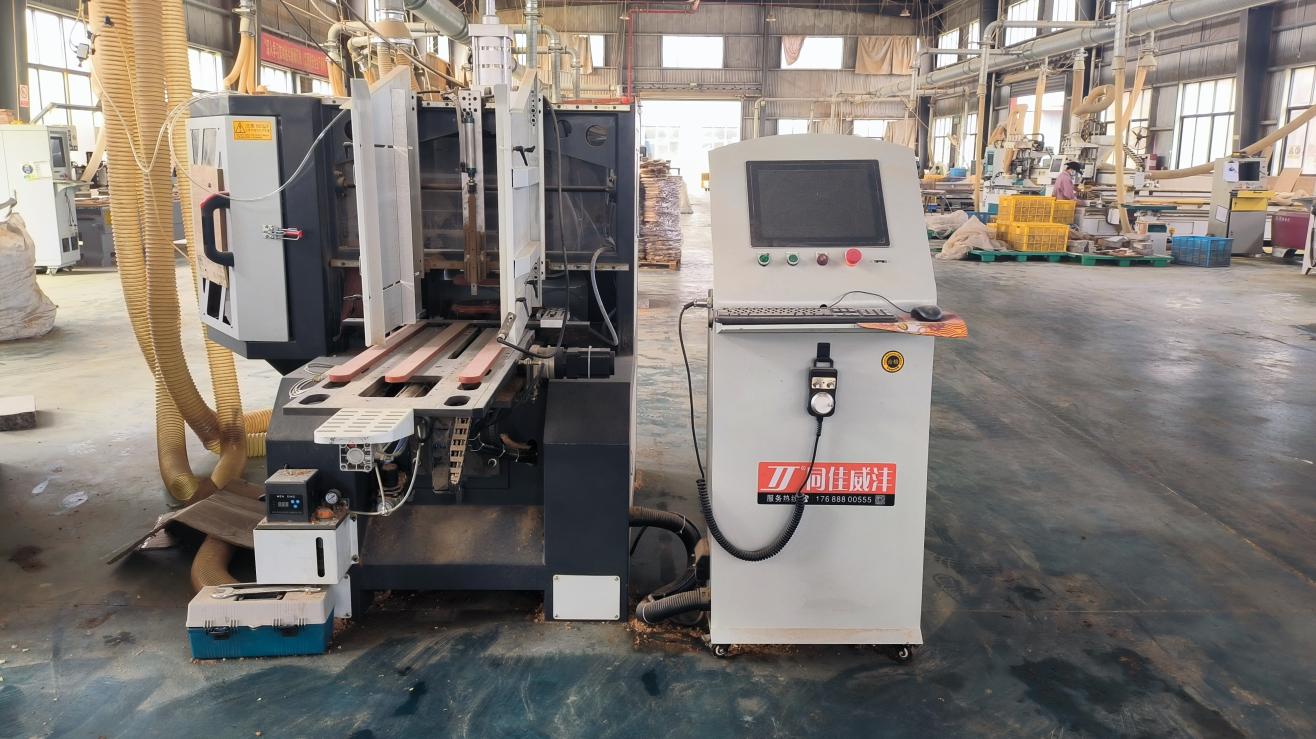
Purchasing agents evaluating suppliers in the global eco-packaging market must look beyond individual unit costs. They must assess structural and geopolitical capabilities, raw material security, processing innovations, and industrial clustering. Chinese factories possess distinct advantages in this domain:
China is home to the world's most extensive, sustainably managed Moso bamboo forests. Harvesting cycles are regulated to optimize ecological regeneration. Factories can source mature, 4- to 6-year-old culms, which feature the ideal cellulose-to-lignin ratio for industrial-grade kitchenware.
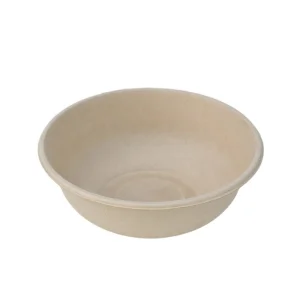
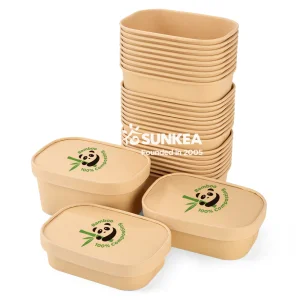
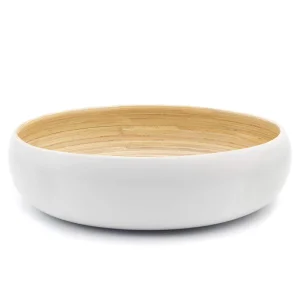
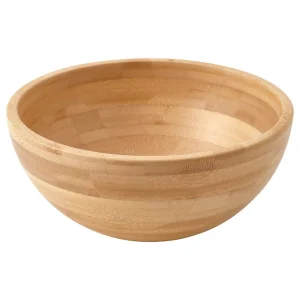
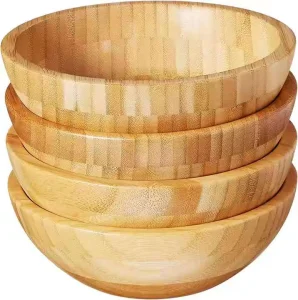
By combining CNC technology with traditional pressing processes, Chinese factories achieve tight tolerances. This enables high-volume manufacturing of diverse designs—from round, natural, spun salad bowls to rectangular, pulp-pressed, and biodegradable paper structures.
The complete clustering of processing, raw treatment, adhesive/coating formulation, packaging, and logistics minimizes inter-process transport. This enables manufacturers like Shandong Ghella Kitchen to offer stable lead times and absorb global market shifts.
B2B sourcing of food-contact materials requires strict compliance with domestic and international safety standards. A quality-focused exporter must confirm compliance with these regulatory standards before shipping:
At Shandong Ghella Kitchen, our manufacturing units are monitored through standardized QC loops. Raw raw materials undergo kiln-drying to target 8-12% moisture content, which prevents post-export warping, cracking, or mold growth.
Sustainable tableware serves multiple markets, and products should be customized to meet the demands of each channel.
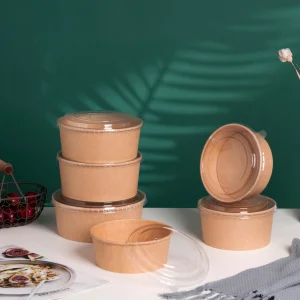
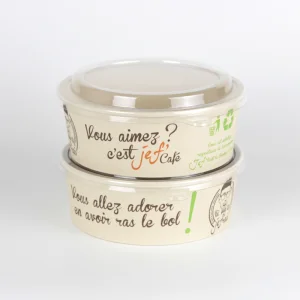
Quick-service restaurants (QSR) require disposable, biodegradable options that withstand hot dressings, vinegar, and heavy oils. Custom molded pulp and bagasse-bamboo hybrid bowls feature oil-resistant, leakproof designs, making them ideal for high-throughput, delivery-heavy restaurant operations.
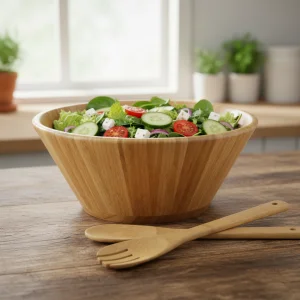
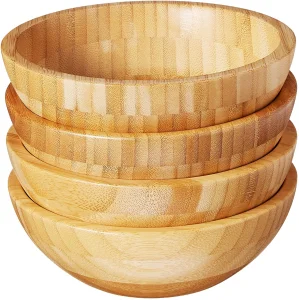
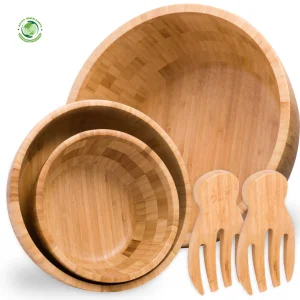
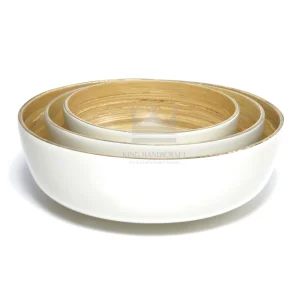
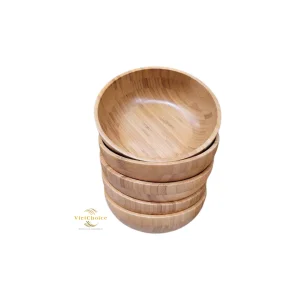
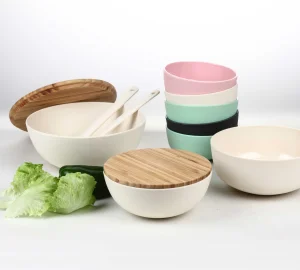
Consumer home brands and gift distributors require high aesthetic appeal. Multi-piece spun bamboo salad sets, decorated with natural oils or matte varnishes and paired with matching servers, offer the perfect combination of design and eco-friendly utility for direct-to-consumer sales.
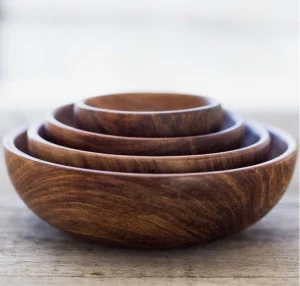
Luxury hotels, resorts, and convention centers require highly durable, dishwasher-safe options. Spun bamboo and laminated solid-piece wooden bowls are built to withstand repeated commercial washing cycles, delivering long-term utility and a low cost-per-use.
As the market for green packaging matures, several key innovations are shaping the future of bamboo tableware:
Shandong Ghella Kitchen actively tracks these innovations. We invest in research and development to update our manufacturing techniques, ensuring our customers always have access to cutting-edge, compliant, and cost-effective products.
 Ghella Kitchen