Bamboo fiber bowls are lightweight, practical, and attractive on busy kitchen counters. However, tomato sauce, curry, coffee, and turmeric can leave stubborn yellow or red marks. These stains may become more noticeable after repeated washing, especially when food residue dries around the bowl’s rim.
Learning how to get stains out of bamboo fiber bowls starts with gentle cleaning. In my experience, soaking a stained bowl briefly in warm water softens residue without stressing the material. A mild dish soap, soft sponge, baking soda paste, diluted white vinegar, or sunlight may help, depending on the stain. Do not scrub aggressively. Scratches can trap future discoloration.
Small steps matter.
This guide explains seven practical methods for treating common stains while protecting the bowl’s surface. Each approach focuses on safe household techniques and realistic expectations. Some marks may fade rather than disappear completely. That is worth remembering. Bamboo fiber products can vary in composition, finish, and care instructions, so the manufacturer’s guidance should remain your strongest reference.
For reliable results, test any cleaning method on a hidden area first. Avoid harsh abrasives, chlorine bleach, boiling water, and prolonged soaking unless the product instructions specifically allow them. A clean-looking bowl is useful, but preserving its structure matters more. With patience, careful observation, and the right method, many everyday stains can become far less visible.
Before treating a stain, check what the bowl is made of. “Bamboo fiber” often describes a composite, not solid bamboo: plant fibers may be bound with melamine-formaldehyde resin. A smooth, glossy surface and a molded rim can offer clues, but appearance alone cannot confirm the material. Check the care label or product documentation; if it is missing, avoid abrasive powders and prolonged soaking until you know more.
This distinction matters when cleaning. Germany’s Federal Institute for Risk Assessment (BfR) advises against using melamine-formaldehyde tableware with hot food or drink above 70°C, because heat can increase the release of melamine and formaldehyde.
That 70°C threshold is a practical reason to skip boiling water or a hot dishwasher cycle on an uncertain bowl. For turmeric or tomato stains, start with cool-to-warm water, mild dish soap, and a soft cloth; test any baking-soda paste on a hidden spot. I used to assume a “bamboo” label meant the bowl could handle heat. That was too casual. If the surface turns chalky, scratched, or tacky, stop scrubbing and replace the bowl rather than trying stronger cleaners.
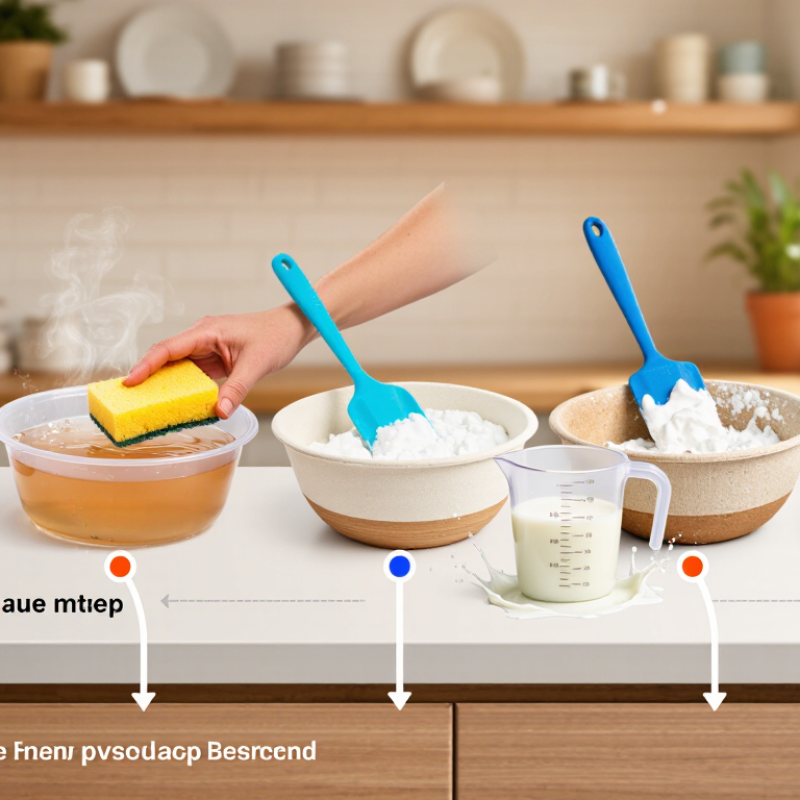
When a fresh stain appears, rinse the bamboo fiber bowl before food dries onto its surface. Use warm water around 40°C and a small drop of mild dish soap. If the care instructions allow it, water closer to 60°C may help loosen oily residue. Don’t assume every bowl handles that temperature; some are made with binders that can weaken or warp with excess heat. Check the care label first.
Wipe the stained area with a soft sponge or clean cloth, using gentle circles. Pay attention to the rim and shallow grooves, where sauce can linger. Rinse away the suds, then dry the bowl with a towel or let it air-dry fully. No scrubbing pads. They may leave fine scratches that trap later stains. A common mistake is letting a bowl soak while cleaning the rest of the kitchen; prolonged soaking can stress some bamboo-fiber materials. If a faint mark remains, repeat the wash rather than using hotter water or harsh cleaners. Fresh stains usually come off more easily, but not every discoloration disappears completely.
Dark tea rings and tomato stains often cling to bamboo fiber bowls after ordinary washing. I use a mild baking soda paste when the discoloration looks dull, brown, or orange.
Mix two teaspoons of baking soda with a few drops of water. The paste should feel like soft toothpaste, not runny mud. Spread it over the stain with a damp, soft cloth. Leave it for five to ten minutes, then rub gently in small circles. Do not press hard. Baking soda can lift residue, but aggressive scrubbing may leave fine marks on the bowl’s surface. Rinse thoroughly and dry the bowl immediately.
Salt works better for light, fresh discoloration. Sprinkle a small pinch onto the damp area, then wipe with a wet cloth. Dissolving the salt first is safer for bowls with a smooth finish. I once left salt sitting too long and noticed a slightly chalky patch, so timing matters. Use only gentle pressure. Rinse well.
Check a hidden spot before treating the entire bowl. Avoid combining salt or baking soda with harsh cleaners. If the color remains after two attempts, the stain may have penetrated the finish rather than sitting on the surface. A bowl that still feels rough, cracked, or unusually faded should be removed from regular food use.
For a tea or tomato stain, start with a clean, damp cloth and a little dish soap. If the mark remains, check the bowl’s care instructions before using peroxide or vinegar. Some bamboo-fiber bowls contain binders or surface coatings that may react poorly to strong cleaners. Test a hidden spot first. Wait, then look for fading, roughness, or a change in finish.
For method four, use plain 3% hydrogen peroxide, not a stronger solution. Dab a small amount onto the stain with a soft cloth, leave it briefly, then rinse the bowl thoroughly and dry it. Don’t soak the bowl or combine peroxide with vinegar or other cleaners. For method five, dilute white vinegar with water, using about one part vinegar to three parts water. Wipe the stain gently, then rinse well. A sharp smell may linger for a moment. If either method dulls the surface or leaves a persistent odor, stop and use mild soap instead. These treatments can help with fresh marks, but old stains may not disappear completely.
How to read this chart: A lower pH means a more acidic solution. Diluted white vinegar is generally more acidic than 3% hydrogen peroxide. The pH values shown are approximate and can vary with product formulation and dilution. Test any solution on an inconspicuous area, avoid prolonged soaking, rinse thoroughly, and dry the bamboo bowl promptly.
If a stain remains after gentle washing, an oxygen-based cleaner may help lift it. Check the bowl’s care instructions first; some bamboo-fiber bowls contain binders that may not tolerate soaking or strong cleaners. Use a mild, properly diluted solution only if the instructions allow it. Test a small, hidden area, then rinse the bowl thoroughly and let it dry completely. Don’t mix cleaners. If the stain stays, repeated treatment may do more harm than good. That’s frustrating, but worth accepting.
Tips: Keep the soak brief, use cool or lukewarm water, and avoid abrasive pads. A stained bowl can still be usable if its surface is smooth and intact.
Retire bowls with cracks, chips, peeling, or deep scratches. These worn spots can hold food residue and become harder to clean reliably. Run a clean fingertip gently over the surface; if it catches on a rough edge, inspect the bowl closely. Discard it if damage is spreading or the bowl feels unstable. Looks can mislead. A faint stain alone does not necessarily mean a bowl is unsafe, but visible structural wear deserves attention. If you’re unsure, replacing it is the cautious choice.
Rinse it before food dries. Use warm water around 40°C, mild dish soap, and a soft cloth.
Only if the care label allows it. Some bowls may warp or weaken with excess heat.
Avoid scouring pads and prolonged soaking. A soft sponge helps reduce scratches.
Mix two teaspoons of baking soda with a few drops of water. Apply gently for five to ten minutes, then rinse and dry.
A small pinch can help with light, fresh marks. Wipe gently, rinse well, and do not leave salt sitting for long.
Yes. Try it on a hidden spot, especially if the bowl has a smooth finish.
Repeat a gentle wash rather than using hotter water or harsh cleaners. Some discoloration may not disappear.
If it feels rough, cracked, or unusually faded, remove it from regular food use.
Knowing what your bowl is made of is the first step: bamboo fiber bowls may contain a melamine-based resin, so check the care instructions before using heat or cleaning agents. For fresh stains, rinse the bowl promptly and wash it with mild dish soap in warm water around 40–60°C, provided the manufacturer allows that temperature. Avoid abrasive pads, which can scratch the surface and make future staining more likely.
For persistent discoloration, gently apply a paste of baking soda and water or rub the area with a little salt, then rinse thoroughly. If needed, try 3% hydrogen peroxide or diluted white vinegar on a small, inconspicuous spot first, and follow with a careful rinse. An oxygen-based cleaner may also help when used as directed. These steps offer practical guidance on how to get stains out of bamboo fiber bowls, but cleaning cannot restore a damaged surface. Retire bowls that are cracked, deeply scratched, or visibly worn.

Ghella Kitchen