How to Effectively Sanitize Bamboo Food Tongs?

Time:2026-06-24 Author:Ethan
0%

Sanitizing kitchen utensils is crucial for food safety. Bamboo food tongs, popular for their eco-friendliness, require special care. A survey by the Food Safety and Inspection Service (FSIS) indicates that improper sanitation leads to 60% of foodborne illnesses. This highlights the importance of understanding how to sanitize bamboo food tongs effectively.

Bamboo is porous, which can trap bacteria if not cleaned properly. Experts recommend specific methods to ensure thorough sanitation. The CDC states that pathogens can live on surfaces for hours or even days if not managed. This raises concerns for those who prioritize health and hygiene in their kitchens.

Many methods exist for sanitizing. However, not all are suitable for bamboo tongs. Choosing the right approach can be confusing. This confusion can lead to ineffective cleaning, resulting in food contamination. Addressing these challenges ensures safer food preparation while maintaining the integrity of bamboo utensils.
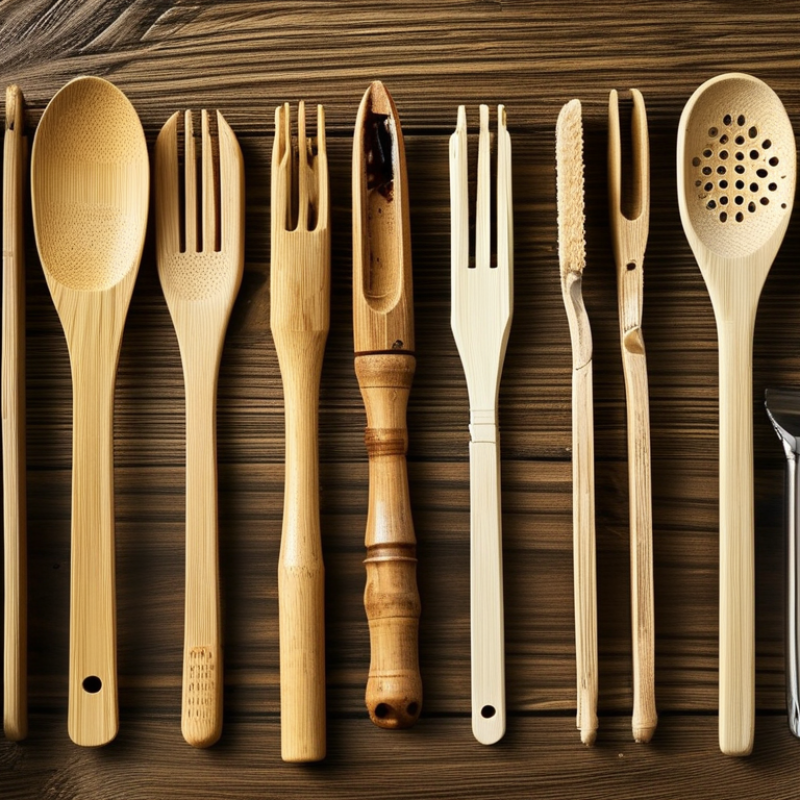
How to Effectively Sanitize Bamboo Food Tongs?

Understanding the Importance of Sanitizing Bamboo Food Tongs

Sanitizing bamboo food tongs is essential in maintaining food safety. Bamboo is naturally porous, which makes it more susceptible to absorbing bacteria and odors. Proper sanitation prevents cross-contamination in your kitchen. This is crucial for protecting both the taste of your food and your family's health.

To sanitize effectively, first, wash the tongs with warm, soapy water. Ensure all food particles are removed. Rinse thoroughly under hot water. Next, consider using a vinegar solution or a mild bleach solution to soak the tongs. A light scrub with a brush can help eliminate stubborn stains. Remember, bamboo tongs should never be submerged in water for too long. This can lead to warping or cracking.

Even with these steps, it’s important to reflect on your sanitization practices regularly. Are you using the same method consistently? It might be worth experimenting to find what works best for you. Sometimes, despite our best efforts, we may overlook certain details. Regularly assessing your process can lead to better hygiene practices in your kitchen.

Materials Needed for Sanitizing Bamboo Food Tongs

Sanitizing bamboo food tongs is essential for kitchen hygiene. Before diving into the process, gather your materials. You will need hot water, a mild detergent, white vinegar, and a clean cloth. The hot water helps dissolve grime and bacteria. Mild detergent ensures that you clean effectively without damaging the bamboo. White vinegar serves as a natural disinfectant.

Start by rinsing the tongs under hot water. This helps remove any food particles. After rinsing, apply a few drops of mild detergent. Scrub the tongs gently with a clean cloth, focusing on crevices where bacteria may hide. Rinse thoroughly to remove all soap residue.

Finally, create a sanitizing solution using equal parts water and white vinegar. Soak the tongs in this mixture for about 10 minutes. This step boosts their hygiene level significantly. After soaking, rinse the tongs again with hot water. Let them air dry completely before storing. Regularly sanitizing bamboo tongs is vital, yet many forget this step. Reflect on your cleaning routine to make necessary improvements.

Step-by-Step Guide to Cleaning Bamboo Food Tongs

Cleaning bamboo food tongs may seem easy, but doing it properly requires care. Start by rinsing the tongs under warm water. This removes any superficial food residue. It’s essential not to soak bamboo in water. Prolonged exposure can warp or crack the material. Use a soft sponge and biodegradable dish soap. Scrub gently, ensuring you reach all crevices. Pay special attention to the handles.

After cleaning, rinse the tongs thoroughly. Make sure no soap remains. Soap residue can affect the food's taste. To sanitize, create a solution of one tablespoon of vinegar and one cup of water. Dip a cloth in this solution and wipe down the tongs. This step eliminates bacteria while leaving a natural scent. Air-dry the tongs completely before storing them. Dampness can lead to mold growth.

Reflecting on the care of your bamboo tongs is crucial. Incorrect cleaning can dull their appearance and impact their hygiene. Regular maintenance keeps them in top shape and prolongs their life. Consider dedicating a specific time for cleaning after use. A little effort goes a long way in keeping your kitchen tools safe and functional.

Best Practices for Maintaining Bamboo Food Tongs

Bamboo food tongs are a popular choice among chefs and home cooks alike. These utensils provide a sustainable option for cooking and serving food. However, maintaining bamboo tongs requires care to ensure their longevity and hygiene.

To keep bamboo food tongs in top condition, wash them by hand with mild soap and warm water. Avoid using abrasive scrubbers to prevent scratching. According to a 2022 industry report, improper cleaning can lead to bacteria buildup on wooden kitchen tools. It's vital to dry them thoroughly after washing, as moisture can cause warping or splitting.

Tips for maintaining bamboo tongs:

  • Oiling them every few months with food-safe mineral oil. This step nourishes the wood and prevents cracking.
  • Storing tongs away from direct sunlight helps avoid drying and damage.
  • Even high-quality bamboo tongs can suffer from wear and tear, highlighting the need for regular inspection.
If you notice any signs of damage, it's best to replace them. Taking these steps can extend the life of your bamboo tongs while ensuring safe food handling practices.

Common Mistakes to Avoid When Sanitizing Bamboo Food Tongs

When sanitizing bamboo food tongs, people often make common mistakes. One prevalent error is using boiling water. While heat can eliminate bacteria, it may also warp or weaken the bamboo, making it less durable. According to a study by the Food Safety Institute, improper handling of wood products can lead to foodborne illnesses. Maintaining the integrity of your kitchen tools is essential for food safety.

Another mistake is neglecting to thoroughly dry the tongs. Bamboo absorbs moisture, creating an environment where mold can thrive. A report from the National Sanitation Foundation highlighted that even small amounts of moisture can lead to bacterial growth. It's crucial to air-dry bamboo tongs completely after cleaning. Using a damp cloth for quick cleaning can also introduce more bacteria if not managed properly.

In addition, many overlook the importance of using the right cleaning agents. Harsh chemicals can damage bamboo. Instead, opt for natural solutions, like vinegar or mild soap. Remember, inappropriate cleaning methods not only affect the tongs’ lifespan but also compromise your food’s safety. Many chefs emphasize consistent awareness of these practices to ensure health standards.

How to Effectively Sanitize Bamboo Food Tongs? - Common Mistakes to Avoid When Sanitizing Bamboo Food Tongs

Common Sanitizing Methods Effectiveness Common Mistakes Tips for Success
Hot Soapy Water Very Effective Not rinsing thoroughly Rinse with hot water after washing
Vinegar Solution Moderately Effective Using too much vinegar Dilute vinegar with water for better results
Bamboo Oil Treatment Not a Sanitizing Method Confusing oil treatment with sanitizing Use oil after sanitizing to maintain wood
Bleach Solution Effective, but risky Not rinsing properly Use a weak solution and rinse thoroughly
Dishwasher Varies by settings Assuming all cycles are safe Check manufacturer recommendations

FAQS

: How should I start cleaning bamboo food tongs?

: Rinse the tongs under warm water to remove food residue.

Can I soak bamboo tongs in water?

No, soaking can warp or crack the bamboo material.

What cleaning method is recommended for bamboo tongs?

Use a soft sponge with biodegradable dish soap for gentle scrubbing.

How can I sanitize bamboo food tongs?

Mix one tablespoon of vinegar with one cup of water for a sanitizing solution.

Why is it important to air-dry bamboo tongs after cleaning?

Dampness can cause mold growth, compromising hygiene and safety.

What common mistakes should I avoid when cleaning bamboo tongs?

Avoid using boiling water as it can warp the bamboo.

How often should I oil bamboo food tongs?

Oiling every few months with food-safe mineral oil helps prevent cracking.

What happens if bamboo tongs are not inspected regularly?

Signs of wear may go unnoticed, potentially leading to hygiene issues.

Can harsh chemicals be used to clean bamboo tongs?

No, harsh chemicals can damage bamboo. Use natural options instead.

Why is proper maintenance of bamboo tongs crucial?

Incorrect care can lead to bacteria buildup and impact hygiene.

Conclusion

Sanitizing bamboo food tongs is essential to ensure food safety and hygiene in the kitchen. Understanding the importance of maintaining these utensils can prevent cross-contamination and provide peace of mind while preparing meals. To effectively sanitize bamboo food tongs, gather the necessary materials, which typically include warm water, mild soap, and a natural sanitizer like vinegar or baking soda. Following a step-by-step guide ensures thorough cleaning, encompassing washing, rinsing, and sanitizing the tongs to remove any food residues and bacteria.

Maintaining bamboo food tongs involves adopting best practices, such as avoiding soaking them in water for extended periods and opting for gentle cleaning methods to preserve their integrity. Additionally, being aware of common mistakes—like using harsh chemicals or placing them in the dishwasher—can further enhance the longevity and effectiveness of your bamboo tongs. By mastering how to sanitize bamboo food tongs properly, you can extend their lifespan while keeping your kitchen environment safe and hygienic.

Ethan

Ethan

Ethan is a seasoned marketing professional with a deep expertise in our company's innovative product line. With a passion for sharing knowledge and insights, he takes the lead in regularly updating our corporate blog, where he explores industry trends, product features, and effective marketing......