Learning how to hold chopsticks for beginners starts with a relaxed grip, not a perfect pose. Rest the lower chopstick in the space between your thumb and index finger, then let its tip sit against your ring finger. Keep this stick steady. The upper chopstick moves, guided by your thumb, index finger, and middle finger. Small adjustments matter.
Try the movement before picking up food. Hold the sticks over a plate and open and close their tips slowly. Keep them parallel. Then lift a soft piece of food, such as a tofu cube or a broad noodle. If the tips cross, pause and reset; forcing the grip usually makes control harder. A little awkwardness is normal. Practice can feel clumsy at first.
A named expert’s quotation should be verified before it is attributed. No reliable source was provided here, so this guide will not invent a specialist’s name or words. The practical guidance is simple: keep the bottom stick still and move the top one. Short practice sessions help build steadiness. A few minutes at the table can teach more than squeezing the sticks tightly. Your fingers may tire, too. Rest, loosen your grip, and try again. The aim is comfortable control, not speed or flawless form.
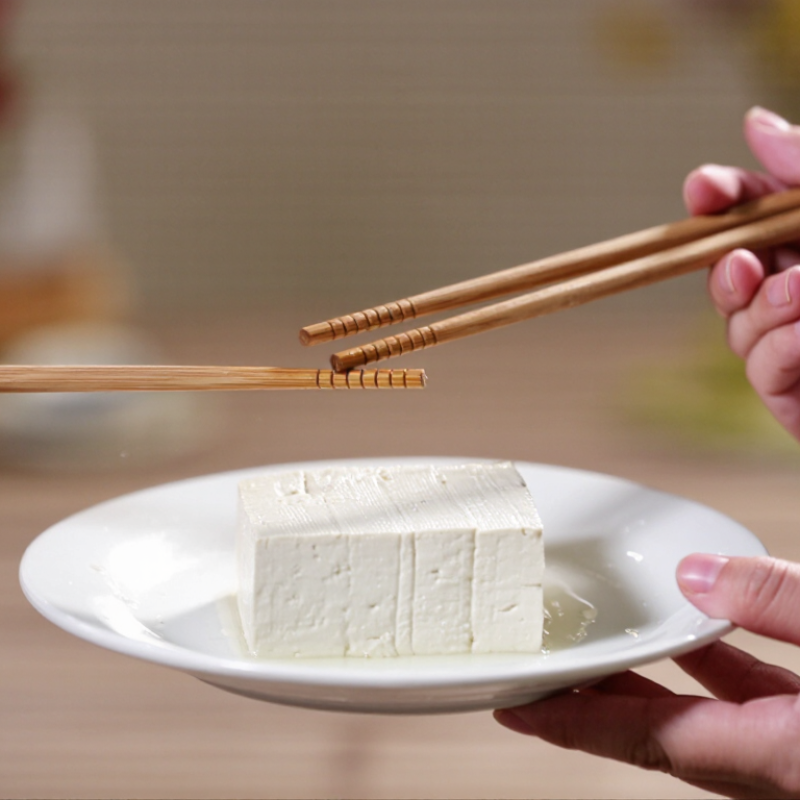
Chopsticks are simple, but each part has a job. The thicker end gives your fingers a steady place to hold. The narrow tips meet the food. On many pairs, the tips are slightly tapered, making it easier to pick up a small piece of tofu or a grain of rice. Keep the lower stick mostly still. Rest it against the base of your thumb and your ring finger. Move the upper stick with your thumb, index finger, and middle finger. The tips should meet gently, not cross. Small details matter.
Look at the shape before you practise. Square or textured ends may feel steadier, while smooth, round sticks can slip more easily. Try lifting a large, firm piece of food first. Then practise with something smaller. A common beginner mistake is squeezing too hard; relaxed fingers usually allow more control. The explanation is not perfect, since hand sizes and chopstick shapes differ. A useful food context comes from the UN Environment Programme’s Food Waste Index Report 2024: an estimated 1.05 billion tonnes of food were wasted in 2022 across households, food service, and retail. That figure does not measure chopstick skill, but careful handling and taking manageable bites can make eating less messy.
Positioning the First Chopstick Against Your Hand
Hold one chopstick still before adding the second. Set its thicker end in the web between your thumb and index finger. Let the shaft rest against the side of your ring finger. The narrow tip should point forward, beyond your fingertips. Your thumb supports the stick; it should not clamp it. Keep the grip loose. A stiff hand makes small adjustments harder. The FAO’s Rice Market Monitor notes that rice supplies about 19% of the world’s per-person energy intake, so rice-based meals offer familiar practice food. Try picking up a single grain only after the stick feels steady.
Check the stick from the side. It should lie diagonally across your palm, not sit upright like a pencil. Keep the ring finger relaxed and slightly bent. The lower stick stays still while the upper stick will later move. If the first stick slides, shift its lower end a little closer to the base of your thumb. I sometimes find this position awkward at first; that is useful feedback, not failure. Practice with a dry pair, then test the hold on a soft piece of food. Stop if your hand tightens. A comfortable resting point matters more than a perfect-looking angle.
| Step | Hand Position | What to Do | Check Your Grip |
|---|---|---|---|
| 1. Find the resting point | Hold your dominant hand comfortably, with the thumb relaxed. | Locate the soft web between your thumb and index finger. The first chopstick will rest against this area. | The hand should feel relaxed, not tightly clenched. |
| 2. Place the first chopstick | Set the thicker end near the base of your thumb and guide the lower part toward your ring finger. | Rest the chopstick in the web between your thumb and index finger, with its lower end supported by the side or tip of your ring finger. | The chopstick should stay mostly still when you move your hand gently. |
| 3. Stabilize the lower stick | Let your thumb rest lightly against the chopstick; keep your ring finger curved beneath it. | Use the thumb base and ring finger to support the first chopstick without squeezing it hard. | The lower chopstick acts as a stable support rather than the moving stick. |
| 4. Align the tips | Keep the two chopsticks roughly parallel, with their tips pointing in the same direction. | Adjust the first chopstick so its tip lines up with the tip of the second chopstick before practicing movement. | Aligned tips make it easier to pick up small pieces of food. |
| 5. Add the second chopstick | Hold the upper chopstick between the thumb, index finger, and middle finger. | Keep the first chopstick resting in place while the upper chopstick moves to open and close the tips. | Only the upper chopstick should move during a basic pinching motion. |
| 6. Practice a gentle pinch | Maintain a relaxed grip and keep your wrist steady. | Move the upper chopstick with your index and middle fingers to bring the tips together, then release. | Start with light practice items and avoid pressing the chopsticks together too forcefully. |
When holding chopsticks, keep the first stick steady against the base of your thumb and the side of your ring finger. It should rest in the web between your thumb and index finger without being squeezed tightly. Now place the second chopstick between your thumb and index finger, with its narrow end pointing toward the food. Let your middle finger support it from underneath. This upper stick is the one that moves.
Keep the two tips close together, but do not force them to cross. Open and close the upper stick by bending your index and middle fingers while the lower stick stays still. Try picking up a large piece of food first, such as a firm cube of tofu. Then test a single bean or grain of rice.
Too much pressure makes the sticks wobble; too little lets food slip. A relaxed grip takes practice. Mine often feels uneven at first, and that is useful feedback: adjust the upper stick a little, rather than tightening your whole hand. Stop if your fingers feel strained. Small movements are easier to control.
Hold the lower chopstick still. Rest its thicker end in the web between your thumb and index finger, then support the tip against your ring finger. The upper chopstick works like a small lever. Hold it loosely between your thumb, index finger, and middle finger, as you would hold a pencil. Keep your thumb steady. Open and close the tips by moving your index and middle fingers, not your whole wrist. Small movements give you better control.
Try lifting one soft piece of food over a plate. Align the tips, touch both sides, and squeeze gently. Too much pressure can send food sliding. Not a pinch. For rice, pick up a small clump rather than chasing single grains.
The FAO Rice Market Monitor estimated global rice utilization at about 520 million tonnes in 2023/24, so rice is a useful food to practise with, though the report does not assess chopstick technique.
It may feel awkward for a while. That is normal. If your tips cross, pause, reset the lower stick, and try again; even careful learners sometimes grip too tightly.
Begin with the lower stick resting in the notch between your thumb and index finger. Keep its tip steady against your ring finger. Move only the upper stick, using your thumb, index finger, and middle finger. Hold the tips about two centimeters from the ends; gripping too close makes small pieces harder to control. Try picking up a soft cube of tofu, then a slippery mushroom. A few pieces may fall. Notice whether your tips cross or press unevenly.
The 2022 Chinese Dietary Guidelines recommend eating at least 12 kinds of food each day and 25 each week. That is nutrition guidance, not a chopstick-skills study, but varied foods offer different shapes and textures for practice. Start with larger, dry pieces, then try smooth or small foods. If rice scatters, relax your grip and bring the tips together evenly. Pinching harder often makes the sticks shake. Correcting that habit takes attention.
Tips: Practice over a plate for five minutes. Pick up three pieces at a time, and pause when your fingers feel tense. Check that the lower stick stays still. If it moves, reset your hand instead of forcing the next pickup.
Keep the lower chopstick steady. Rest it between your thumb and index finger, with its tip supported by your ring finger.
Hold it loosely, much like a pencil. Your middle finger supports it from underneath.
Bend your index and middle fingers to open and close the tips. Keep your wrist still.
Keep them close together, but do not force them to cross. Small adjustments are easier.
Try a firm tofu cube or one soft piece of food over a plate. Start with something easy to grip.
Pick up a small clump instead of chasing single grains. That is less frustrating.
Too much pressure can make the sticks wobble. Too little may let food slide away.
Pause and reset the lower stick if the tips cross. Mine still feels uneven sometimes.
Stop if your fingers feel strained. Relax your hand and try again later.
Learning how to hold chopsticks for beginners starts with understanding their two parts and how they work together. The lower chopstick rests steadily against the hand, supported near the base of the thumb and alongside the ring finger. It stays mostly still and provides a stable foundation. The upper chopstick sits between the thumb, index finger, and middle finger, where it can move freely. Keeping the tips aligned helps the chopsticks meet neatly when you pick up food.
To grip a piece, move the upper chopstick while keeping the lower one steady, opening and closing the tips gently. Begin by practicing with larger, easy-to-grip pieces, then try smaller items as your control improves. If the chopsticks cross, slide apart, or feel tiring, pause and adjust your finger placement rather than squeezing harder. Short, relaxed practice sessions can help build coordination and make picking up food feel more natural.

Ghella Kitchen