In the booming industry of sustainable products, identifying high quality bamboo tableware is essential for wholesale buyers. According to Dr. Mia Chen, a leading expert in eco-friendly materials, "The quality of bamboo tableware can determine its market value and consumer trust." This statement underscores the importance of knowing how to identify high quality bamboo tableware.
When sourcing bamboo tableware, buyers should prioritize durability and finishing. High-quality products should feel smooth and free of splinters. Additionally, the bamboo should appear uniform, reflecting careful craftsmanship. An often-overlooked detail is the sourcing of the bamboo itself. Genuine manufacturers focus on sustainable practices. Assessing supplier transparency is crucial to finding the right partners.
Yet, evaluating quality can be subjective. It requires an understanding of several variables, from the type of bamboo used to the production process. Mistakes can happen, especially when buyers are overwhelmed by options. A thorough approach can help, but it’s important to keep learning. The market continually evolves, and staying informed is key to making sound purchasing decisions.
Understanding Bamboo Tableware Types and Characteristics
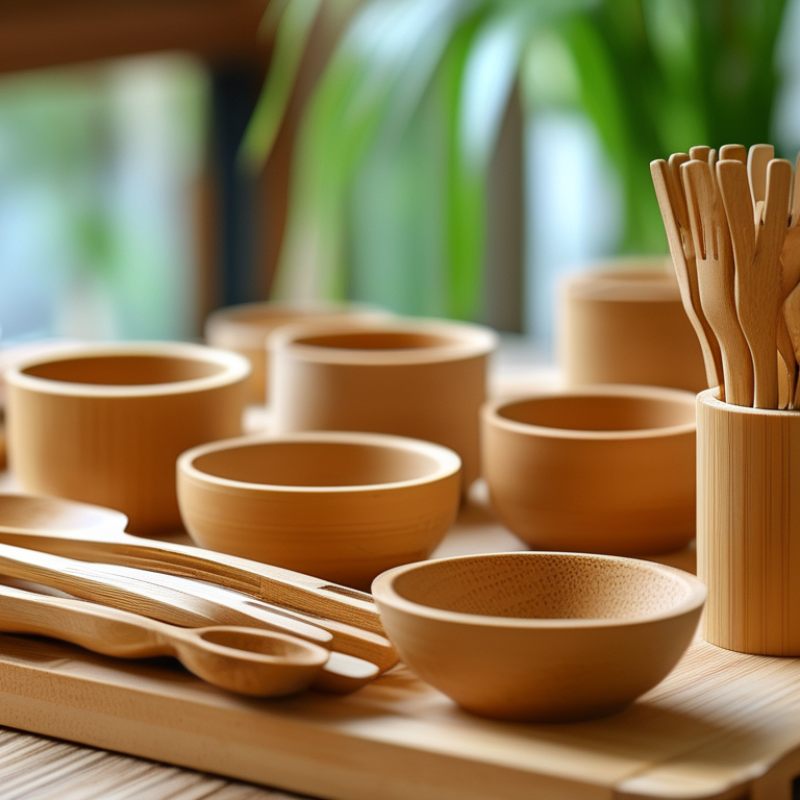
When exploring bamboo tableware, it's essential to understand its types and characteristics. Bamboo is eco-friendly, lightweight, and durable, making it a popular choice among wholesalers. There are two main categories of bamboo tableware: laminated and molded.
Laminated bamboo products feature multiple layers glued together, enhancing strength and offering a smooth, elegant finish. Molded bamboo tableware is shaped under heat and pressure, resulting in unique designs.
Research indicates that bamboo tableware is gaining traction in sustainability markets. According to Statista, the global bamboo market is expected to reach over $98 billion by 2026. Buyers should focus on identifying high-quality materials.
Quality bamboo will have a consistent color, smooth surface, and free of cracks. The ideal density can ensure that the product withstands daily use.
However, some products may not meet these standards. Certain manufacturers may use bamboo mixed with cheaper materials for cost savings. Conducting third-party tests for durability and safety is crucial. Regular monitoring of suppliers can maintain high-quality standards. Buyers must remain vigilant to avoid subpar offerings.
Evaluating the Quality of Bamboo Material and Production Techniques
When evaluating bamboo tableware, assessing the quality of the bamboo material is essential. Bamboo should be sourced from sustainable forests, ensuring that the harvesting practices do not harm the ecosystem. Research indicates that high-quality bamboo has a density of at least 0.6 g/cm³, which indicates strength and durability. Inferior bamboo may splinter easily or warp over time, leading to a negative consumer experience. Observing these properties is important when considering products for wholesale.
Production techniques also play a crucial role in the final quality of bamboo tableware. Bamboo items should be made using eco-friendly adhesives and non-toxic finishes to ensure the safety of food contact items. The processing methods can impact the longevity and hygiene of the products. A report by the International Bamboo and Rattan Organisation highlights that improperly treated bamboo can harbor bacteria, posing health risks. Inspecting how bamboo is treated during production can prevent these issues and maintain high quality.
Buyers should also prioritize manufacturers with certifications. Certifications from recognized organizations ensure compliance with quality and safety standards. However, not all manufacturers are transparent about their practices. It's important for buyers to ask about certifications and production methods to avoid potential pitfalls. High-quality bamboo tableware can offer both aesthetic appeal and practicality when sourced correctly.
Identifying Eco-Friendly Certifications for Bamboo Tableware
When purchasing bamboo tableware, understanding eco-friendly certifications is crucial. Certifications guide buyers towards sustainable products. The Forest Stewardship Council (FSC) certification is a key indicator. Products with this label come from responsibly managed forests. According to a 2020 industry report, more than 40% of consumers value eco-friendly certifications when selecting tableware. This shows how certifications impact purchasing decisions.
Another important certification is the Global Organic Textile Standard (GOTS). This applies to bamboo textiles and ensures environmental and social responsibility. If a product displays the GOTS label, it meets high standards. The increasing demand for GOTS-certified products indicates a shift toward sustainable choices. However, many products claim to be ‘eco-friendly’ without these certifications. Buyers must remain vigilant. Spotting genuine certifications can be challenging.
Moreover, some companies may use recycled bamboo without proper certification. This practice can mislead consumers about the product's sustainability. Reports indicate that nearly 25% of bamboo products on the market lack credible certifications. Buyers should research thoroughly. Understanding these certifications helps ensure that the bamboo tableware purchased is truly eco-friendly.
Assessing Design and Functionality in Bamboo Tableware Products
When it comes to bamboo tableware, design and functionality are crucial for wholesale buyers. This eco-friendly material continues to rise in popularity, with market projections showing a compound annual growth rate of over 5% by 2027. Buyers should focus on the aesthetics of bamboo products. A well-designed item should reflect the natural beauty of bamboo while also being practical for everyday use. Look for items that incorporate ergonomic shapes, vibrant colors, and unique finishes. These aesthetics can significantly impact a customer's purchasing decision.
Functionality is equally important. High-quality bamboo tableware should be lightweight yet sturdy. It should withstand daily wear without sacrificing design. Consider products that are dishwasher safe and resistant to moisture. Research suggests that durable bamboo items can last over five years with proper care. However, some bamboo tableware may crack or warp if exposed to extreme temperatures. Buyers must understand this limitation when sourcing products.
Buyers should also assess whether products are sustainably sourced. Certification, such as FSC (Forest Stewardship Council), adds credibility. Select items designed for specific uses, such as serving platters or utensils, to appeal to various customer needs. A diverse selection demonstrates reliability and expertise. Ensure each piece you consider enhances the customer experience. Pay attention to small details—finishing touches can make a difference in the final product's appeal.
How to Identify High Quality Bamboo Tableware for Wholesale Buyers? - Assessing Design and Functionality in Bamboo Tableware Products
| Product Type |
Design Features |
Functionality |
Durability |
Eco-Friendly |
Price Range |
| Bamboo Plates |
Natural finish, minimalist design |
Lightweight, stackable |
Highly durable, scratch-resistant |
100% biodegradable |
$1.00 - $2.50 |
| Bamboo Bowls |
Curved design, vibrant colors |
Suitable for hot/cold foods |
Robust and long-lasting |
Made from sustainable bamboo |
$2.00 - $4.00 |
| Bamboo Utensils |
Ergonomic design, smooth texture |
Versatile, reusable option |
Strong and resistant to wear |
Fully compostable |
$0.50 - $1.50 |
| Bamboo Serving Trays |
Stylish, functional design |
Great for entertaining |
Durable and easy to clean |
Sustainable harvesting |
$4.00 - $8.00 |
Analyzing Supplier Credibility and Customer Reviews for Wholesale Purchases
When considering wholesale bamboo tableware, supplier credibility is essential. A reputable supplier should have a proven track record. Investigate their history and business practices. Look for companies that have been in operation for several years. Longevity can indicate stability and trustworthiness.
Customer reviews offer valuable insights into a supplier's reliability. Check multiple platforms for reviews to get a balanced view. Be cautious of overly positive feedback. Sometimes, reviews can be misleading. A mix of positive and negative reviews often reflects a realistic picture. It’s useful to see how a company addresses complaints.
Consider asking for references from suppliers. Genuine businesses will provide a list of satisfied customers. Reach out to those customers to ask about their experiences. This step can unveil hidden details about product quality and service reliability.
Pay attention to product samples before making a large order. A sample can reveal the true material quality and craftsmanship. Observe the finish, weight, and design. Flaws in the sample can be an indicator of future issues. It’s wise to reflect on every detail. Quality at this stage enhances long-term satisfaction.
FAQS
: Sourcing bamboo sustainably helps protect ecosystems and ensures responsible harvesting practices.
Look for bamboo with a density of at least 0.6 g/cm³ for strength and durability.
Eco-friendly adhesives and non-toxic finishes should be used for safety and quality.
Improperly treated bamboo can harbor bacteria, posing potential health risks.
Ask about certifications and production methods to confirm compliance with safety standards.
Look for ergonomic shapes, vibrant colors, and unique finishes to enhance aesthetics.
Bamboo may crack or warp when exposed to extreme temperatures, affecting durability.
High-quality items should be lightweight, sturdy, and resistant to daily wear.
Focus on diverse selections and pay attention to finishing touches for added appeal.
They can last over five years if well-maintained, but limitations exist.
Conclusion
When considering how to identify high quality bamboo tableware for wholesale purchases, it's essential to start with an understanding of the various types and characteristics of bamboo tableware. This includes evaluating the quality of the bamboo material and the production techniques used to manufacture the products, ensuring they meet necessary standards for durability and safety.
Additionally, assessing eco-friendly certifications can further confirm the sustainability of the tableware. A thorough examination of design and functionality is also crucial, as these factors directly impact consumer satisfaction. Finally, analyzing supplier credibility through customer reviews provides insights into the reliability of the products offered, ensuring that wholesale buyers make informed decisions when selecting high-quality bamboo tableware.

 Ghella Kitchen