Properly drying bamboo kitchen tools is crucial for their longevity. Experts in the field emphasize the importance of this practice. Dr. Hannah Lee, a renowned materials scientist, once said, "Moisture control is key to preserving bamboo's strength." Bamboo, while naturally resistant to pests, can rot when not dried correctly.
When you think about how to dry bamboo kitchen tools to prevent rot, envision the right techniques. After washing, it's vital to wipe each piece thoroughly. Air drying is effective, but direct sunlight isn't always ideal. Allowing tools to dry in a well-ventilated area is often the best approach. Consider using a clean cloth to speed up the process.
Reflecting on personal experiences can highlight the challenges in maintaining bamboo kitchen tools. It’s easy to neglect drying them properly, leading to potential rot. Keeping a consistent drying routine not only preserves their appearance but also their functionality. Embracing the right methods can transform how we care for these essential kitchen items.
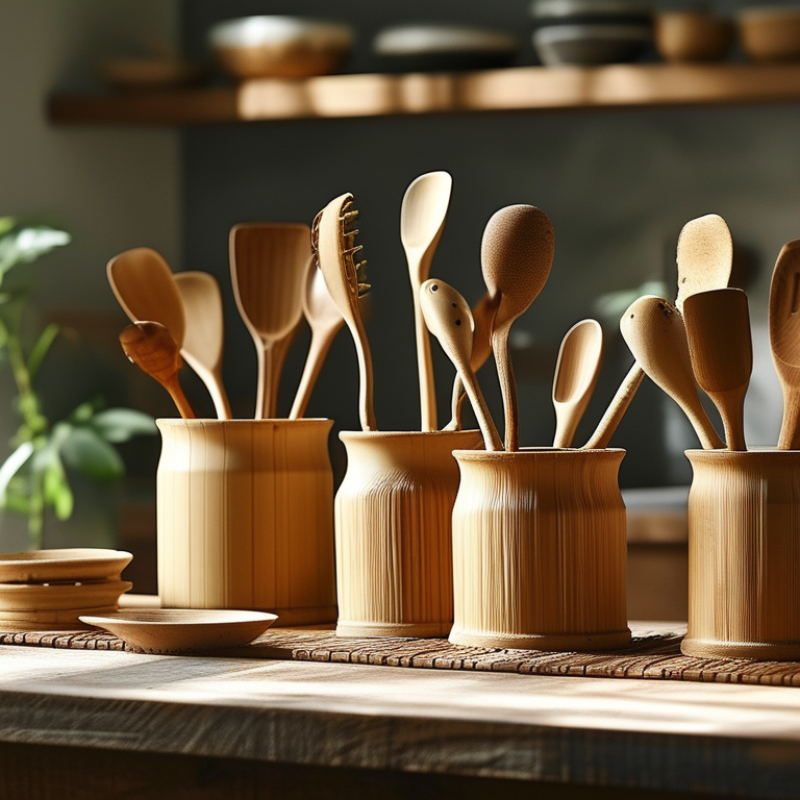
Understanding the Importance of Properly Drying Bamboo Kitchen Tools
Bamboo kitchen tools are popular for their durability and eco-friendliness. However, proper drying is crucial to prevent rot and prolong their lifespan. When bamboo remains damp, it becomes vulnerable to mold and bacteria. This can lead to unpleasant odors and damage, making your kitchen less hygienic.
When washing bamboo utensils, it's essential to dry them immediately. Use a clean kitchen towel to wipe away excess moisture. Place them in a well-ventilated area, away from direct sunlight. Excessive heat can cause the bamboo to crack. Even the best bamboo products need careful handling.
If you notice any signs of wear, it's a signal to evaluate your drying process. Perhaps you left them in a humid environment too long. Learning from these moments can enhance your kitchen routine. Remember, treating bamboo tools with care fosters a sustainable kitchen.
Steps to Clean Bamboo Kitchen Tools Before Drying Them
Cleaning bamboo kitchen tools is crucial before drying them. Start by rinsing the tools under warm water. This helps remove food residues and dirt effectively. Use a gentle sponge to avoid scratching the bamboo surface. Pay close attention to crevices where food may hide.
Next, create a mild soap solution. Mix a few drops of dish soap in warm water. Dip the sponge into the solution and scrub the bamboo tools gently. Avoid soaking them in water, as prolonged exposure can weaken the fibers. Rinse thoroughly to eliminate soap traces. After rinsing, pat them dry with a clean towel.
Once clean, leave the bamboo tools to air dry in a well-ventilated space. It’s vital to place them on a rack, not directly on a wet surface. This prevents moisture build-up and potential rot. Overlooked spots or poor drying can lead to mold. Regular maintenance and attentive cleaning habits are essential to prolong the life of your bamboo kitchen tools.
Techniques for Efficient Drying of Bamboo Kitchen Tools
Drying bamboo kitchen tools properly is essential to prevent rot and extend their lifespan. Efficient drying begins immediately after washing. First, gently wipe off excess water with a clean, dry cloth. This reduces moisture and prepares the surface for drying.
Next, place the bamboo tools in a well-ventilated area. Ensuring good airflow is key. Avoid direct sunlight, as it can warp the bamboo. A drying rack works well in a shaded area. If possible, hang them upside down to allow water to drain away completely.
Consider using a fan to enhance air circulation. Sometimes, the drying process may take longer than expected, especially in humid conditions. Each type of bamboo tool may require different drying times. It's crucial to check regularly for any signs of moisture. If you notice any sticky spots or musty smells, these indicate dampness. This feedback is essential for adjusting your drying technique. Over time, your approach can improve, leading to well-maintained bamboo kitchen tools.
Drying Techniques for Bamboo Kitchen Tools
Signs of Rot in Bamboo Kitchen Tools and How to Prevent It
Bamboo kitchen tools are popular for their sustainability and aesthetics. However, they are also vulnerable to rot. Identifying signs of rot early can save your tools and your kitchen from odors and contamination. Expert studies suggest that about 30% of bamboo products may experience rot if not cared for properly.
Look for discoloration and a soft texture in your bamboo tools. These are early indicators of moisture retention, which leads to rot. If your bamboo items feel slimy or develop an unusual smell, it's a clear sign of degradation. Regular inspection is essential, especially in humid environments. Keeping bamboo well-dried and stored in a dry place can prevent these unfortunate scenarios.
To minimize the risk, avoid soaking bamboo tools in water. A quick wash followed by immediate drying is better. Experts recommend re-oiling your bamboo every three months to retain its natural moisture balance. It preserves the durability of the fibers. Yet, some still neglect these practices, leading to premature tool failure. Regular education on proper care can sharpen users' awareness. Engaging in mindfulness about this can enhance both tool longevity and your cooking experience.
Tips for Maintaining Bamboo Kitchen Tools After Drying
Bamboo kitchen tools are popular for their durability and natural appeal. However, without proper care, they can suffer from rot and damage. After drying bamboo kitchen utensils, maintaining their condition is crucial. Here are some effective tips you can follow.
Regular oiling is essential. Use food-safe mineral oil to keep the bamboo hydrated. Apply a thin layer and allow it to penetrate for a few hours. Wipe off excess oil afterward to avoid a sticky surface. Remember, not over-oiling is key. Excess oil can lead to a greasy feel and attract dust.
Avoid soaking bamboo items in water. Prolonged exposure can weaken the fibers. Instead, wash them quickly and dry immediately. Store your bamboo tools in a dry place, away from humidity. This helps prevent mold growth and keeps them looking new. An occasional sunlight exposure can also be beneficial but be wary of direct sunlight that can cause fading.
Keep an eye out for any signs of wear. Discoloration or splintering indicates it’s time to reassess your maintenance routine. Adjusting your care can extend their lifespan. Be mindful, as sometimes less is more with bamboo. Not every tool needs the same level of attention.
Conclusion
Properly drying bamboo kitchen tools is essential to prevent rot and extend their lifespan. To start, it's important to clean the tools thoroughly before drying, ensuring that any food residue or moisture is removed. After cleaning, there are efficient techniques to dry bamboo, such as air drying in a well-ventilated area or using soft cloths to absorb excess moisture.
Additionally, being aware of the signs of rot, such as discoloration or a musty smell, can help in early detection and prevention. Regular maintenance after drying, including periodic oiling and storing in a dry environment, is crucial for keeping bamboo kitchen tools in excellent condition. By following these guidelines on how to dry bamboo kitchen tools to prevent rot, users can enjoy the durability and beauty of their bamboo kitchenware for years to come.

 Ghella Kitchen