Properly maintaining your bamboo cutting board is crucial for its longevity and performance. Knowing how to oil a bamboo cutting board can significantly enhance its durability and appearance. Regular oiling prevents moisture from penetrating the wood. This practice helps to avoid warping and cracking, ensuring your board remains in top shape for years.
Bamboo cutting boards are popular for their eco-friendliness and resilience. However, neglecting proper care can lead to dullness and damage. The right oil helps to protect the surface while nourishing the wood. Using mineral oil or food-safe oils is essential. Choosing the wrong product could cause health risks or reduce the board's lifespan.
Oiling the board is a straightforward process, yet many overlook it. Instead of allowing your cutting board to dry out, take the time to apply oil regularly. This simple task shows that caring for your kitchen tools enhances your cooking experience. In the long run, investing effort into your bamboo cutting board can pay off.
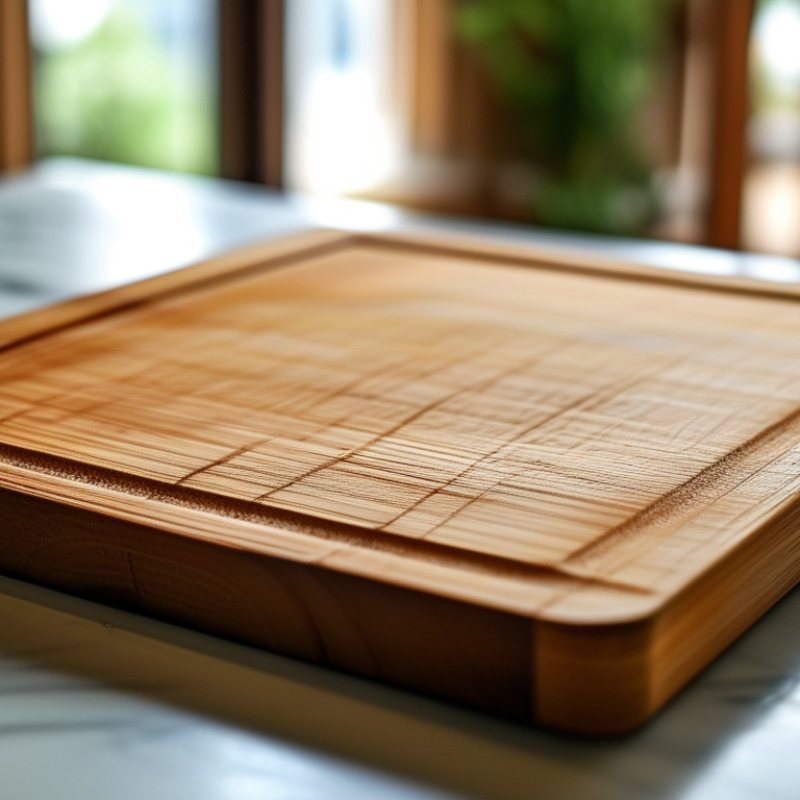
Understanding the Importance of Oiling a Bamboo Cutting Board
Oiling a bamboo cutting board is essential for its longevity and functionality. Bamboo, while durable, can dry out over time. This leads to cracks and splits. Oiling helps to prevent this damage. It keeps the fibers hydrated and supple. A well-oiled board can last for years, making it a worthwhile practice.
The choice of oil is crucial. Use food-grade mineral oil for safety. Avoid vegetable oils, as they can become rancid. Applying oil creates a protective barrier, sealing the board against moisture. It also enhances the natural beauty of bamboo. Regular oiling can improve the board's resistance to stains and odors.
Many people neglect this process, often forgetting how vital it is. It's easy to overlook a cutting board's needs. A simple routine can make a significant impact. A little care can yield great rewards. A properly oiled board maintains its charm and strength. Remember, neglecting this step can lead to regret later on.
How to Properly Oil a Bamboo Cutting Board for Longevity? - Understanding the Importance of Oiling a Bamboo Cutting Board
| Step |
Description |
Frequency |
Recommended Oil Type |
| 1 |
Clean the cutting board thoroughly using warm water and mild soap. |
After each use |
N/A |
| 2 |
Dry the board completely with a clean cloth or air-dry it standing up. |
After washing |
N/A |
| 3 |
Apply a generous amount of oil to the board, using a soft cloth or paper towel. |
Monthly |
Food-grade mineral oil |
| 4 |
Let the oil soak in for at least 15 minutes before wiping off excess oil. |
After applying oil |
N/A |
| 5 |
Store the cutting board in a dry place away from direct sunlight. |
Always |
N/A |
Choosing the Right Type of Oil for Bamboo Cutting Boards
Choosing the right type of oil for bamboo cutting boards is crucial for maintaining their longevity. Many people overlook this detail, but it can significantly impact the board's durability. Food-grade mineral oil is a popular choice because it is safe and prevents rancidity. Other options include fractionated coconut oil and walnut oil. Each type has its unique properties, so it’s essential to consider your cooking habits.
The process of oiling can seem straightforward, yet many users rush through it. It's vital to apply oil generously and let it soak in. Regular maintenance can prevent cracks and warping. Some users mistakenly believe occasional oiling suffices, but neglecting this step will lead to deterioration over time. Pay attention to your board's appearance. If it looks dry or dull, it’s time for an oiling session. And remember, your choice of oil directly affects the board’s scent and taste over time.
Reflecting on the type of oil you choose is important. Each oil has a different absorption rate and longevity. For instance, olive oil can go rancid, which might affect your food flavors. Always keep the characteristics of each oil in mind for better care. Different cooking styles may require different oils, so don’t hesitate to experiment until you find the best fit for your bamboo cutting board.
Step-by-Step Guide to Properly Oil a Bamboo Cutting Board
Oiling a bamboo cutting board is essential for its longevity. It protects the wood and enhances its appearance. To start, clean the board thoroughly. Use warm, soapy water and a gentle scrub. Rinse well and dry it completely. Any moisture left can damage the wood over time.
Next, choose a food-safe mineral oil or specialized wood oil. This ensures safety during food preparation. Pour a small amount of oil onto a clean cloth. Then, apply it evenly across the surface of the board. Make sure to cover every inch, including the edges. Allow the oil to absorb for at least 20 minutes before wiping off any excess.
Tip: Consider oiling your bamboo cutting board every month. Regular maintenance prevents drying and cracking. If the board feels rough or dry, it’s time to oil it again. Additionally, avoid soaking the board in water. This can warp the bamboo and shorten its lifespan.
Remember, oils should never be mixed with other substances. Each oil has a unique absorption rate. With careful application, you’ll enjoy your bamboo cutting board for years to come. Keep in mind, that some areas might absorb more oil than others, so adjust your application accordingly. Checking the board frequently helps in maintaining its quality.
Maintenance Tips for Long-Lasting Bamboo Cutting Boards
Bamboo cutting boards require consistent maintenance to stay in top shape. Regular oiling is essential. Use food-grade mineral oil to nourish the wood. This creates a protective barrier against moisture and dirt. Apply the oil generously, spreading it evenly with a soft cloth. Allow it to soak in for at least 30 minutes. Wipe off any excess oil afterward.
Cleaning is just as important. Avoid soaking your bamboo board. Instead, use a damp cloth and mild soap. Rinse quickly and dry immediately. Prolonged exposure to water can warp the board. Remember, avoiding harsh chemicals is critical. They can break down the bamboo fibers over time.
Inspecting your board regularly helps catch any damages early. Look for scratches or grooves. These can harbor bacteria. Sand down rough areas with fine-grit paper. It’s a slow process, but necessary for hygiene. An imperfect surface can lead to bigger problems if ignored. Use coasters or mats underneath to prevent sliding. These small actions contribute to the board's lifespan significantly.
Signs That Your Bamboo Cutting Board Needs Oiling Again
Bamboo cutting boards are resilient but require proper care. Look for signs that indicate your board needs oiling. If you notice light scratches or dull areas, it's time to take action. These imperfections can affect both appearance and performance.
Another sign is dryness. A bamboo board should feel smooth and slightly oily. If it feels rough or has absorbed moisture, it’s a clear indication that oiling is overdue. Small cracks may also begin to appear on the surface. This is a crucial warning sign and should not be ignored.
Regularly check the board after every few uses. Oiling maintenance is essential for preserving its longevity. When you notice these signs, consider your approach. Reflect on how often you use the board and where it is stored. Adjust your oiling schedule according to its condition and your usage. Regular attention can prevent bigger issues down the line.
Conclusion
To ensure the longevity of your bamboo cutting board, it's essential to understand how to oil a bamboo cutting board properly. Oiling not only maintains the board's appearance but also prevents moisture damage and warping. Choosing the right type of oil, specifically food-grade mineral oil or bamboo oil, is crucial for maintaining the board's integrity.
Following a step-by-step guide, you can effectively apply oil to your cutting board, ensuring an even coat that penetrates deeply. Regular maintenance, including preventive care and monitoring for signs of wear, will keep your bamboo cutting board in optimal condition. Look for indicators such as dryness or fading color to determine when it’s time for another oiling session to protect your investment and enhance its lifespan.

 Ghella Kitchen