A bamboo salad bowl looks simple, but its care requires more than a quick wipe. Grand View Research reports continued growth in the global bamboo products market, driven partly by interest in reusable household goods. That growth creates a practical question: how to season a bamboo salad bowl without damaging its surface or compromising food hygiene? The answer depends on the bowl’s finish, manufacturer instructions, and everyday use.
Food-safety specialist Meredith Carothers of the USDA’s Food Safety and Inspection Service states, “Food safety is a shared responsibility.” Her reminder matters here. Seasoning should support maintenance, not replace cleaning. Start with a clean, fully dry bowl. Apply a very thin layer of food-grade mineral oil using a soft cloth. Let it absorb overnight, then remove every visible residue. Some care guides also recommend board cream containing beeswax. Avoid vegetable oils, because they can oxidize and leave a sticky smell. Never soak bamboo for long periods. Never place it in a dishwasher unless the manufacturer clearly permits it.
The process is modest.
A dry surface matters most.
In my experience, the first application often looks uneven. That is not necessarily failure; bamboo absorbs oil differently across its fibers. Still, the advice can be imperfect, especially when bowls use laminated bamboo or unknown coatings. Recheck the product label before treating it. Reapply oil when the bowl looks pale, feels dry, or develops rough patches. Regular hand-washing, prompt drying, and gentle storage will usually protect the bowl better than heavy oiling. A well-seasoned bowl should feel smooth, clean, and natural—not greasy.
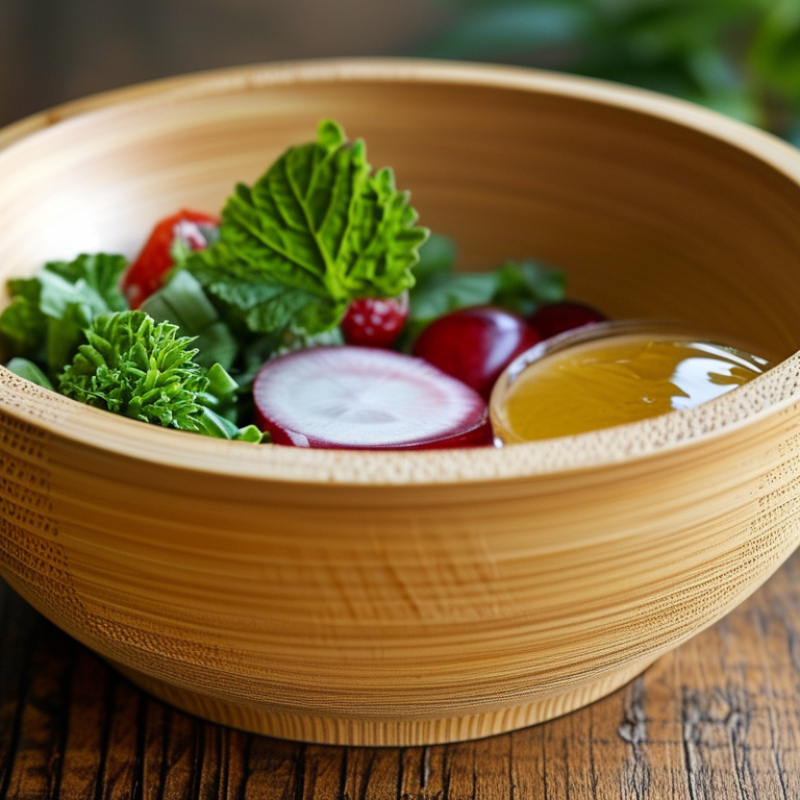
Top Tips on How to Season a Bamboo Salad Bowl?
Understanding Why Bamboo Salad Bowls Need Seasoning
Bamboo is porous, even when its surface feels polished. Its fibers absorb water, oil, and odors during daily use. Seasoning fills some surface pores and slows moisture exchange. It does not make the bowl waterproof or antimicrobial. That distinction matters. Bamboo also expands and contracts with humidity. The USDA Forest Products Laboratory’s Wood Handbook reports approximate equilibrium moisture contents of 6% at 30% relative humidity, 9% at 50%, and 16% at 80%. Bamboo is not wood, but this data explains why dry indoor air can encourage checking.
Apply a very thin layer of food-contact mineral oil to a clean, completely dry bowl. Use a soft cloth and work with the grain. Let the oil rest for several hours, then remove every visible residue. A sticky surface collects food particles. Beeswax may add a gentle protective layer, but it should follow the oil, not replace it. Choose only products clearly labeled for food-contact use. The FDA Food Code 2022 emphasizes smooth, cleanable, and durable food-contact surfaces.
Seasoning works best as maintenance, not repair. Reapply when the bamboo looks dull, feels rough, or absorbs water immediately. Avoid soaking, dishwashers, and prolonged heat. Dry the bowl upright with airflow. I would not trust a fixed monthly schedule; kitchen humidity changes too much. Small cracks need attention. Deep splits, loose laminations, or persistent odors usually mean replacement is safer than extra oil.
Bamboo is porous and can absorb water, odors, and food stains. Seasoning with a food-safe oil helps condition the surface and supports easier cleaning.
Apply a thin layer of food-safe mineral oil to a clean, completely dry bowl, leave it for about 30 minutes, then wipe away excess oil. Re-season approximately every 30 days or whenever the bamboo looks dry. Hand-wash the bowl, avoid soaking it, and dry it promptly to help prevent cracking and warping.
A bamboo salad bowl needs gentle care before its first use. Choose food-grade mineral oil because it stays stable and does not turn rancid easily. Beeswax can be added for a light protective finish, but it is optional. Avoid cooking oils such as olive or sunflower oil. They may develop an unpleasant smell over time.
Wash the bowl with warm water, mild dish soap, and a soft sponge. Keep a clean cotton cloth nearby for drying. Do not soak bamboo for long periods. Excess water can make the fibers swell and weaken the bowl. I once left mine beside the sink overnight. The rim felt rough afterward, so patience matters more than I expected. Let the bowl dry completely before oiling.
Tips: Apply a thin oil layer with a lint-free cloth. Wait 15–20 minutes, then wipe away all excess. Repeat when the surface looks pale or feels dry. Use a separate soft brush for crumbs around the inner curve. Never use steel wool, harsh cleaners, or a dishwasher. Inspect the bowl regularly. Small cracks should not be ignored, even if they seem harmless.
Top Tips on How to Season a Bamboo Salad Bowl?
Cleaning and Drying the Bowl Before Seasoning
Cleaning comes before seasoning. Remove dust, manufacturing residue, and loose bamboo fibers with warm water and mild dish soap. Use a soft sponge, not an abrasive pad. Do not soak the bowl. Bamboo can absorb water, swell, and develop rough patches.
The FDA Food Code 2022 recommends cleaning food-contact surfaces and allowing them to air-dry. This matters because trapped moisture can encourage odors and microbial growth. The CDC estimates that about 48 million people in the United States experience foodborne illness each year. A bowl is not the only risk, but poor cleaning habits can add unnecessary exposure. Rinse every surface carefully, including the rim and underside. I once focused only on the inside. That was a mistake.
Drying requires patience. Shake off excess water, then place the bowl upside down on a clean, breathable towel. Leave space around the rim for airflow. USDA Food Safety and Inspection Service guidance notes that bacteria grow quickly between 40°F and 140°F, so avoid leaving a wet bowl near warm appliances. Wait until the bowl feels completely dry, not merely warm. Check the base and seams with clean fingers. If they feel cool or damp, wait longer. A fan may help, but direct heat can crack bamboo. After drying, apply a very thin layer of food-safe conditioning oil according to the care instructions. Too much oil leaves a sticky film. Less is usually better.
| Step | Task | Recommended Method | Typical Time | What to Check | Important Caution |
|---|---|---|---|---|---|
| 1 | Remove loose debris | Wipe the inside and outside of the bowl with a clean, dry or slightly damp microfiber cloth. | 1–2 minutes | Dust, crumbs, and visible particles should be removed before washing. | Avoid abrasive pads, which may scratch the protective surface. |
| 2 | Prepare mild cleaning water | Use lukewarm water with a small amount of mild dish soap. Avoid bleach, strong solvents, and harsh degreasers. | 1 minute | The water should be warm rather than hot, and the soap should be lightly diluted. | Excessive heat and strong chemicals can dry or damage bamboo fibers and finishes. |
| 3 | Hand-wash the bowl | Clean gently with a soft sponge or cloth, paying attention to the rim, base, and any crevices. | 2–4 minutes | Food oil and residue should no longer be visible or slippery. | Do not soak the bowl or leave it submerged in water. |
| 4 | Rinse thoroughly | Rinse with clean, lukewarm running water until no soap film remains. | 30–60 seconds | The surface should feel clean without a soapy or sticky residue. | Do not use a dishwasher unless the care instructions specifically allow it. |
| 5 | Wipe away surface water | Immediately dry all areas with a soft, absorbent towel, including the underside and rim. | 1–2 minutes | No pools of water should remain around joints, edges, or the base. | Prompt towel-drying helps reduce swelling, cracking, and mold risk. |
| 6 | Air-dry completely | Place the bowl upside down or on its side in a well-ventilated area away from direct sunlight and heat sources. | Several hours or overnight | The bowl should feel dry, have no cool damp spots, and show no trapped moisture. | Do not dry it on a radiator, near a stove, or under intense direct sunlight. |
| 7 | Inspect before seasoning | Check for rough areas, raised fibers, cracks, discoloration, or a lingering odor. | 1–2 minutes | Ready: | Season only when the bowl is clean, fully dry, and free from visible damage or moisture. |
| 8 | Apply food-safe conditioning oil | Use a thin, even coat of a food-safe oil suitable for wooden kitchenware. Spread it with a clean, lint-free cloth. | 5–10 minutes | The surface should look lightly conditioned, not wet or heavily greasy. | Follow the oil’s directions and avoid oils that become sticky or turn rancid easily. |
| 9 | Allow the oil to absorb | Let the bowl rest in a clean, ventilated place, then wipe away any excess oil with a dry cloth. | Several hours or overnight | The bowl should feel smooth and dry to the touch rather than oily. | Do not stack or use the bowl while excess oil remains on the surface. |
| 10 | Maintain after use | Wash by hand, dry promptly, and recondition when the surface appears dull or dry. | After each use | Regular care helps preserve the bowl’s appearance and reduces moisture-related damage. | Keep the bowl away from prolonged soaking, dishwashers, ovens, and microwaves. |
Seasoning a bamboo salad bowl starts with even oil coverage, not a heavy flood of oil. USDA Forest Products Laboratory data indicates that wood commonly reaches about 6–9% moisture content indoors, depending on humidity. Bamboo also reacts to moisture changes, especially around laminated strips and joints. Use a food-grade, non-drying mineral oil on a completely clean and dry bowl. Pour a teaspoon onto a lint-free cloth, then spread it in long, overlapping strokes. Work across the rim, inner wall, base, and underside.
Thin layers work better.
Wait 20–30 minutes, allowing the surface to absorb the oil. Then inspect the bowl under bright light. Dry-looking patches need another small application, while glossy pools need immediate wiping. The U.S. Food Code stresses that food-contact surfaces should remain smooth, cleanable, and free from residue; excess oil can collect dust and feel unpleasant. Leave the bowl undisturbed for 12–24 hours before use. A second light coat may help a very dry bowl, but more oil is not always better.
My first attempt often misses the narrow rim. That area deserves attention. Avoid olive, walnut, or other culinary oils because they can oxidize and develop odors. After washing, dry the bowl promptly and never leave it submerged. The USDA Wood Handbook also links repeated moisture changes with dimensional movement, so gentle care matters more than occasional over-oiling.
A bamboo salad bowl stays attractive when daily cleaning is gentle. After serving, remove dressing and crumbs with a soft spatula. Wash it by hand with warm water and mild dish soap. Do not leave it soaking. I once forgot a bowl in the sink overnight, and its rim felt rough afterward. That mistake changed my routine. Wipe every surface, including the base, then let the bowl air-dry in a ventilated place.
When the bamboo looks pale or feels dry, apply a very thin layer of food-grade mineral oil. Use a clean, lint-free cloth and spread the oil evenly inside and outside. Wait about fifteen minutes, then buff away the excess. Too much oil leaves a sticky surface. Avoid olive oil and other cooking oils because they can become rancid. For laminated bamboo bowls, follow the care instructions supplied with the product, since finishes can differ.
Inspect the bowl regularly. Watch for raised fibers, cracks, or dark spots. Stop using it if deep damage appears. Use a soft sponge, not an abrasive pad. Keep it away from dishwashers, ovens, microwaves, and prolonged heat. I still sometimes miss a few drops beneath the rim. A quick final wipe helps prevent swelling and keeps the bowl ready for the next salad.
Use food-grade mineral oil for a stable, gentle finish. It resists rancid odors. Beeswax is optional.
Oils such as olive or sunflower oil may develop unpleasant smells over time. The bowl can seem fine initially. Later, the odor may linger.
Wash it with warm water, mild dish soap, and a soft sponge. Clean the rim, underside, and inner curve. Do not use abrasive pads.
No. Long soaking can make bamboo fibers swell and weaken. Keep the washing brief. I once left mine beside a sink overnight, and the rim became rough.
Shake off excess water and place the bowl upside down on a clean, breathable towel. Leave space around the rim for airflow. Check the base and seams before oiling.
Avoid direct heat because it may crack bamboo. A fan can help gently. The bowl should feel completely dry, not merely warm.
Rub on a very thin layer with a lint-free cloth. Wait 15–20 minutes, then wipe away all excess. Too much oil creates a sticky film. Less is better.
Reapply oil when the surface looks pale or feels dry. Inspect it regularly. Small cracks should not be ignored, even when they look harmless.
Never use steel wool, harsh cleaners, or a dishwasher. Use a separate soft brush for crumbs near the inner curve. Gentle care helps preserve the fibers.
Seasoning a bamboo salad bowl helps protect its natural fibers, reduce dryness, and create a smoother surface for regular use. Learning how to season a bamboo salad bowl begins with choosing a food-safe oil and preparing gentle cleaning supplies. Before applying anything, wash the bowl with mild soap and warm water, then dry it completely with a clean towel and allow it to air-dry. Moisture left in the bamboo can prevent the oil from absorbing evenly.
Apply a thin, even layer of oil across the inside, outside, and rim using a soft cloth. Let the oil soak in for several hours, then wipe away any excess to prevent a sticky finish. After each use, hand-wash the bowl, avoid soaking it or placing it in a dishwasher, and dry it promptly. Occasional re-seasoning will help maintain the bowl’s appearance, texture, and durability over time.

Ghella Kitchen