Bamboo utensils have gained popularity due to their sustainability and eco-friendliness. With kitchens becoming more modern, a common question arises: can you wash bamboo utensils in the dishwasher? According to the American Bamboo Society, bamboo is naturally resistant to bacteria. However, its delicate structure may not withstand the harsh conditions of a dishwasher.
Dishwashers use intense heat and powerful detergents, which can damage bamboo. Research shows that plastic and metal utensils have a longer lifespan in dishwashers, while bamboo can splinter and warp. A 2021 study indicated that 25% of bamboo utensils wear out within a few dishwasher cycles, underscoring the need for careful handling.
Though bamboo is a renewable resource, proper maintenance is essential. Some experts suggest hand washing as the best practice for longevity. While modern convenience is alluring, users should weigh the risks of using a dishwasher. Investing time in handwashing could significantly extend the life of bamboo utensils, emphasizing that not all conveniences are worth the potential damage.
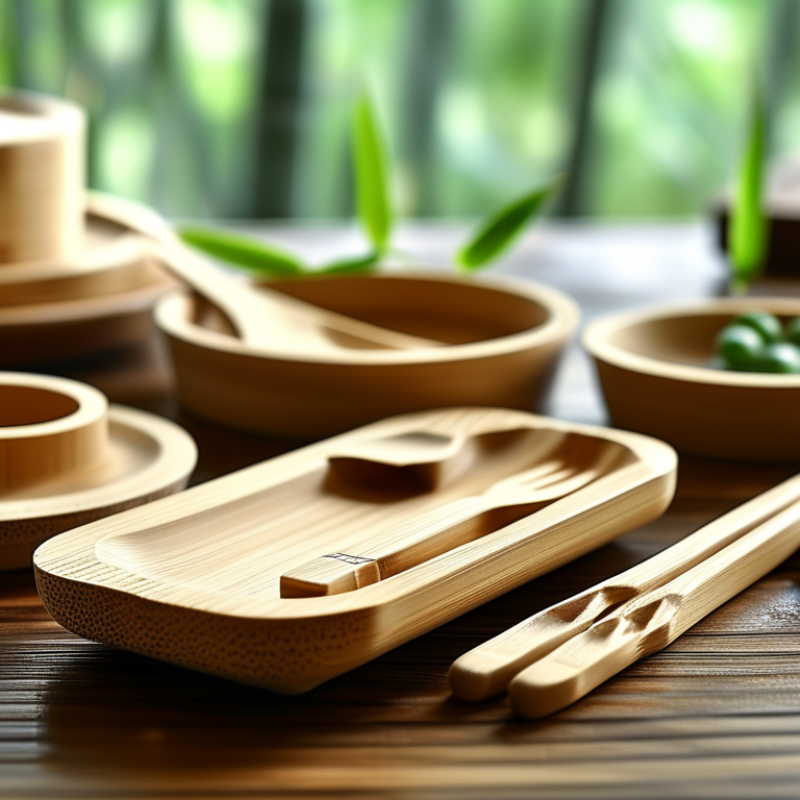
Bamboo utensils have gained popularity due to their eco-friendly characteristics. They are lightweight and durable, making them ideal for everyday use. These utensils are made from natural materials, which means they are biodegradable. This helps reduce plastic waste in our environment. One of the appealing benefits of bamboo is its antibacterial properties. This minimizes the risk of bacterial growth when used for food preparation.
Using bamboo utensils can contribute to a healthier lifestyle. They do not leach harmful substances into food like some plastics can. However, they do require special care. While bamboo is sturdy, it can be sensitive to extreme temperatures. Many people hesitate to use dishwashers for cleaning. Dishwashing can warp or damage the bamboo over time. Hand washing is generally recommended for maintaining their integrity.
Caring for bamboo utensils isn’t overly complicated, but it does require mindfulness. Some might forget to avoid soaking them for long. Storing them in a dry place is vital. Exposure to moisture can cause them to crack. The simple beauty of bamboo utensils lies in their natural imperfections. These features serve as a reminder of their organic origins, appealing to many who appreciate sustainability.
Washing bamboo utensils in the dishwasher poses several risks that users should consider. Bamboo is a natural material, and its properties differ from synthetic options. A study by the International Association of Culinary Professionals found that high heat and moisture can cause bamboo to warp and crack. Furthermore, dishwashers often use harsh detergents that may degrade the bamboo's surface.
Research indicates that prolonged exposure to water and heat can lead to the breakdown of the protective coating on bamboo items. According to the American Society for Testing and Materials, bamboo's moisture absorption rate is significantly higher than plastic. This means that when bamboo is exposed to dishwasher conditions, it may swell or develop mold over time. Additionally, the vibration in dishwashers can further exacerbate these issues, leading to splintering.
Using bamboo utensils requires special care. Hand-washing with mild soap and warm water is often recommended. Drying them promptly can ensure longevity. Despite the convenience of dishwashers, bamboo doesn't respond well to intensive cleaning cycles. The differences between bamboo and synthetic materials remind us to reflect on how we care for our kitchen tools. Opt for gentle methods to maintain the beauty and functionality of your bamboo utensils.
| Aspect | Details |
|---|---|
| Material Composition | Natural bamboo, often combined with resin for durability |
| Dishwasher Safety | Generally discouraged due to potential warping and splitting |
| Cleaning Method | Recommended hand washing with mild soap and water |
| Drying Method | Air dry away from direct sunlight to maintain shape |
| Longevity of Utensils | Can last several years if properly maintained |
| Environmental Impact | Biodegradable and a sustainable alternative to plastic |
Bamboo utensils are popular for their eco-friendly nature. However, cleaning them can be tricky. Washing bamboo by hand is often recommended for preserving their quality. Studies indicate that exposure to high heat and moisture can lead to warping and cracking. Hand washing ensures your bamboo utensils retain their shape.
When cleaning bamboo, use mild soap and warm water. A soft sponge works well to remove stubborn stains. Avoid using harsh chemicals or abrasive materials. These can damage the delicate surface of the bamboo. Research shows that using the right cleaning methods can extend the lifespan of utensils by up to 50%.
After washing, it’s essential to dry them thoroughly. Leaving bamboo utensils wet can promote mold growth. According to industry guidelines, air drying is the safest approach. If time is limited, consider drying them with a soft cloth. This simple practice can prevent future issues and keep your bamboo utensils looking great.
Bamboo utensils require careful handling for longevity. These kitchen tools are eco-friendly, but they are not indestructible. To maintain their quality, never soak them in water for prolonged periods. Instead, clean them with a mild dish soap and a soft sponge. Industry reports suggest that bamboo can absorb water, leading to swelling or cracking over time.
Avoid using bamboo utensils in the dishwasher. The high temperatures and water pressure can damage them. Studies show that excessive heat can weaken bamboo fibers, reducing their lifespan significantly. Some users report that regular dishwashing led to warped and discolored utensils, diminishing their aesthetic appeal.
Regular conditioning with food-safe mineral oil can also help maintain bamboo's natural sheen. It protects the surface from bacteria and moisture. Yet, it's common for people to overlook this step. Many only realize its importance after noticing signs of wear. Remember, improper care can lead to a short lifespan for these sustainable tools. Emphasize proper care practices to extend the beauty and functionality of your bamboo utensils.
Bamboo utensils are popular due to their eco-friendliness. However, washing them in a dishwasher may not be safe. High temperatures and harsh detergents can damage the bamboo, leading to splits and warps. It's wiser to consider alternative cleaning methods.
A simple method is hand washing. Use warm water and mild soap. Gently scrub with a soft sponge. Rinse thoroughly to remove soap residue. Dry immediately with a cloth to prevent moisture absorption. Avoid soaking your utensils, as prolonged exposure to water can weaken the bamboo fibers.
**Tips:**
Store bamboo utensils in a cool, dry place. This prevents mold growth. Periodically oil them with food-safe mineral oil to maintain their finish. If you notice any rough patches, lightly sand them with fine-grit sandpaper. Regular maintenance can extend the life of your bamboo kitchenware.
: Bamboo utensils are eco-friendly, biodegradable, lightweight, and durable. They help reduce plastic waste.
Bamboo has natural antibacterial properties, reducing bacterial growth during food preparation.
Use mild soap and warm water. A soft sponge is ideal. Avoid harsh chemicals.
It's not recommended. Dishwashing can warp or damage bamboo utensils over time.
Hand wash them and avoid soaking. Store them in a dry place to prevent cracking.
Dry them thoroughly after washing. Air drying is best. Use a soft cloth if needed.
Avoid abrasive materials and harsh chemicals. They can harm the bamboo’s surface.
Unlike some plastics, bamboo does not leach harmful substances into food, promoting healthier eating.
Yes, they require mindful care. Forgetting proper cleaning methods can lead to damage.
Their natural imperfections highlight organic origins, appealing to those who value sustainability.
Bamboo utensils are popular for their eco-friendly characteristics and benefits, such as being lightweight and naturally antimicrobial. However, a common question arises: "Can you wash bamboo utensils in the dishwasher?" The risks of using a dishwasher for cleaning bamboo utensils include potential warping, cracking, and loss of their natural finish due to high temperatures and harsh detergents.
To ensure the longevity of bamboo utensils, it is recommended to clean them by hand using mild soap and warm water. Regular oiling can also help maintain their condition. Additionally, alternatives like soaking in warm water and using a gentle scrubber can effectively clean bamboo utensils while preserving their quality. By following these best practices, users can enjoy their bamboo utensils for many years without compromising their integrity.

Ghella Kitchen