A bamboo whisk, or chasen, looks simple, but its fine tines can trap matcha between each split. Left damp, those green traces may encourage odors or mold and can weaken the delicate bamboo over time. Learning how to clean a bamboo whisk properly protects its shape, keeps old tea from affecting fresh matcha, and makes each whisking feel more consistent. It is a small ritual. It matters.
Sen no Rikyu, the influential Japanese tea master, is often credited with the line, “Tea is nothing but this: boil water, prepare tea, and drink it.” This is not a cleaning instruction, but it reminds us that care belongs within the tea ritual. After use, rinse the whisk gently under warm water, moving its tines through the stream rather than rubbing them. Skip soap and harsh scrubbing. Then shake off excess water and let the whisk dry fully, ideally on a holder that helps preserve its curved shape. A damp whisk tucked into a drawer is a poor ending. One honest caveat: bamboo varies, and no cleaning routine can prevent natural wear forever. Still, gentle rinsing and complete drying can help extend its useful life. The sections ahead explain what to do, what to avoid, and why a few careful seconds matter.
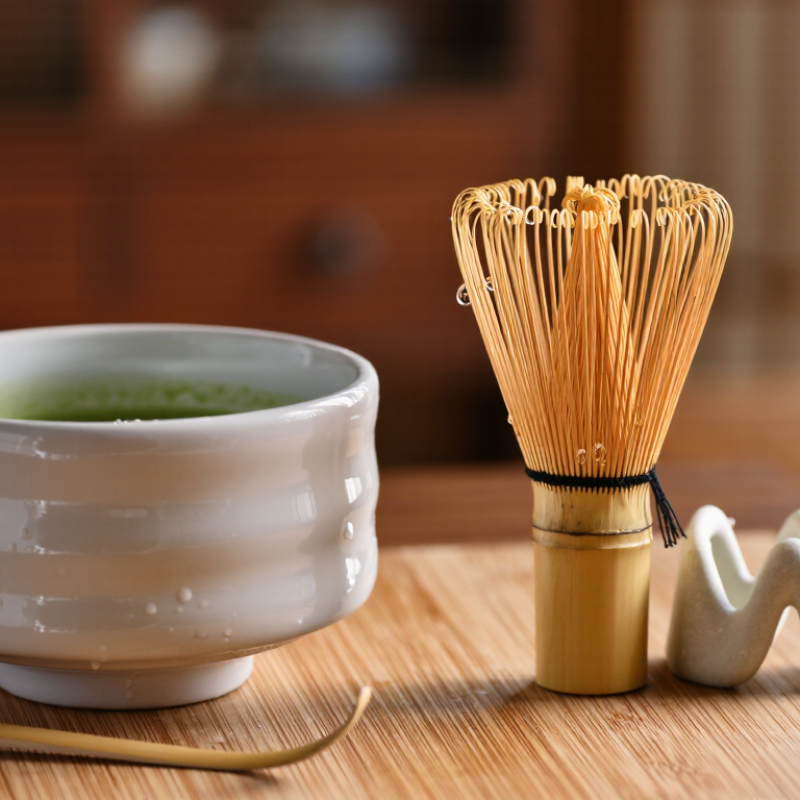
A bamboo whisk holds matcha in the narrow spaces between its fine tines. A quick rinse may clear the surface while leaving green paste near the handle. That residue can dry hard, dull the next cup’s flavor, and make thorough cleaning more difficult. Bamboo also absorbs and releases moisture, so leaving the whisk wet or sealed away can encourage musty odors and damage its delicate shape.
Clean it soon after use with lukewarm water, gently separating the tines with your fingers. Skip soap unless the maker specifically recommends it; lingering fragrance can affect tea. Shake off excess water, then let the whisk air-dry fully with its tines pointing down or resting loosely on a holder.
USDA FSIS identifies 40–140°F (4–60°C) as the food “danger zone” and notes that bacteria can double in as little as 20 minutes under favorable conditions. That guidance concerns food safety generally, not bamboo whisks specifically, but it supports avoiding warm, damp storage.
Small detail, real difference. Inspect the center for trapped tea, and don’t force apart tines that feel brittle. A perfect routine is unlikely every time; drying the whisk properly after each use is a practical habit.
Matcha residue dries quickly in the narrow gaps between a bamboo whisk’s tines. The green film can stiffen the fine strands and make them stick together. It matters. A whisk with stuck tines may spread powder unevenly and feel rough against the bowl. Left damp, tea particles can also develop an unpleasant smell, especially in a warm cupboard.
Rinse the whisk soon after use with clean, lukewarm water. Gently rotate it under the stream, letting water pass through the tines; avoid scrubbing or pressing them against the sink. Don’t leave the whisk soaking. Bamboo absorbs moisture, and prolonged wetness can encourage swelling, weakening, or small cracks as it dries. Shake off excess water, then let the whisk air-dry with the tines facing down on a holder. Keep it away from a closed container until fully dry. I used to think a quick rinse was always enough, but residue can hide near the base. Check there before putting the whisk away. A few stubborn specks may remain; forcing them out can do more harm than good.
Matcha residue can dry between the bamboo tines, while trapped moisture can encourage damage over time. Rinse the whisk after use, remove remaining powder, and let it air-dry completely before storing.
Suggested active cleaning times per use; these are practical estimates, not laboratory measurements. Air-drying time is not included.
A bamboo whisk cleans best before tea dries between its fine tines. Rinse it immediately under lukewarm running water. Gently turn the whisk as water passes through the bristles, then use clean fingers to loosen visible matcha. Avoid twisting or pressing hard; the delicate tines can split. Do not leave the whisk soaking or put it in a dishwasher. Shake off excess water and place it on a whisk holder, or let it air-dry with space around the tines. It may look clean while damp, so check again once it dries.
Tips: Skip harsh scrubbing. If residue remains, rinse again rather than scraping it out.
The CDC’s 2011 foodborne-illness estimates report about 48 million illnesses in the United States each year. That figure concerns foodborne illness generally, not bamboo whisks specifically, but it shows why clean food-contact tools matter. A whisk is small, and its narrow gaps are easy to overlook. I would not assume a quick rinse always reaches every tine; inspect the center and base, too. Keep the whisk dry between uses, and replace it if the bamboo becomes moldy or develops persistent damage.
| Step | What to Do | How to Do It | Why It Matters | What to Avoid |
|---|---|---|---|---|
| 1. Rinse promptly | Clean the whisk soon after use. | Hold the tines under lukewarm running water and gently turn the whisk so water reaches both the inner and outer surfaces. | Rinsing before matcha dries helps prevent residue from sticking between the fine bamboo tines. | Do not leave the whisk sitting in matcha or water for an extended period. |
| 2. Remove residue gently | Clear any remaining tea from the tines. | Use clean fingertips to separate the tines gently while rinsing. If needed, swish the whisk in a bowl of clean lukewarm water. | Gentle cleaning helps remove particles without stressing the delicate bamboo. | Do not scrub with a brush, scrape the tines, or pull them apart forcefully. |
| 3. Check the whisk | Look for trapped matcha and damaged tines. | Inspect the inner curve and the base of the tines in good light. Rinse again if any green residue remains. | A quick check helps ensure the whisk is clean before it is dried and stored. | Do not use sharp tools to remove particles lodged between the tines. |
| 4. Shake off water | Remove excess water without bending the tines. | Hold the handle securely and give the whisk a few light shakes over the sink. | Removing excess water helps the whisk dry more readily. | Do not flick it forcefully or press the tines against a towel. |
| 5. Air-dry fully | Let the whisk dry before putting it away. | Place it upright on a whisk holder, if available, or set it in a clean, well-ventilated spot where the tines can dry without being compressed. | Thorough air-drying helps limit lingering moisture and helps the tines retain their shape. | Do not store it while damp in a closed container or leave it on a wet surface. |
| 6. Store carefully | Keep the dry whisk protected between uses. | Once fully dry, store it in a clean, dry place. A holder can help support the whisk’s shape. | Dry, careful storage helps protect the delicate bamboo tines from unnecessary pressure. | Do not stack heavy items on the whisk or store it in a humid, enclosed space. |
| Routine care | Use water for normal cleaning. | Rinse with clean lukewarm water after each use. If the whisk has an unusual odor or visible buildup, clean it gently and allow it to dry completely. | Regular rinsing is generally sufficient for removing fresh matcha residue. | Do not boil the whisk, put it in a dishwasher, or soak it for a long time; heat and prolonged moisture can damage bamboo. |
After whisking matcha, rinse the bamboo whisk under lukewarm running water. Gently move the tines through the water to release tea residue; avoid scrubbing them against your palm or the sink. Don’t leave the whisk soaking. A quick rinse is usually enough, and harsh soap may leave unwanted odors. Check between the inner tines, where green paste can hide.
Shake off excess water, then set the whisk upright on a whisk holder so its shape can open as it dries. No holder? Place it loosely on a clean rack with plenty of airflow. Keep it away from radiators, direct sun, and steamy cupboards. Heat can dry bamboo too quickly and may encourage splitting. Let it dry fully before putting it away. This takes longer in a humid kitchen.
Store the dry whisk in a clean, breathable place, not sealed in a damp container. I used to tuck mine away while it still felt cool and wet near the handle. That was a mistake. Check the base and tine joints before storage; lingering moisture can lead to musty smells or mold. If the whisk looks cracked or develops persistent discoloration, replace it rather than risk loose splinters in your drink.
A bamboo whisk should be replaced when its tines are cracked, splintered, persistently musty, or broken in several places. A few bent tines may still whisk, but broken pieces can shed into tea, and a damaged head often leaves clumps behind. Do not glue loose parts or keep using a whisk with visible mold. The International Bamboo and Rattan Organisation’s 2020 Global Assessment estimated about 35 million hectares of bamboo worldwide. That figure shows how varied bamboo resources are; it does not set a whisk’s lifespan. Inspect the actual tines, handle, and smell instead.
Tips: Rinse promptly with warm water, then air-dry fully with the head facing down or on a whisk holder. Avoid prolonged soaking, harsh scrubbing, and closed damp storage. If only a few tines have lost their shape, gentle rinsing and careful separation may help; stop if they crack. Small repairs are not always worth the risk.
Replace the whisk if cracks reach the handle, several tines snap during ordinary use, or a musty smell remains after thorough drying. A little discoloration alone is not proof of mold, so check for fuzzy growth and persistent odor. I would not judge by appearance alone; I have sometimes kept a whisk too long because it looked usable. That was poor judgment. A clean, intact whisk should open the tea smoothly without loose splinters or a stale smell.
Matcha residue dries between the tines and can make them stiff or stick together. Rinse it while the green film is still fresh.
Use clean, lukewarm running water. Gently rotate the tines under the stream so water reaches the narrow gaps. Avoid scrubbing or pressing them against the sink.
Usually, but green paste can hide near the base and between inner tines. Check those spots before putting the whisk away. I used to miss them.
No. Bamboo absorbs moisture, and prolonged soaking may cause swelling, weakening, or cracks as it dries. A few specks are better than damaged tines.
Shake off excess water and place it upright on a whisk holder, with the tines open. No holder? Use a clean rack with good airflow.
Keep it away from radiators, direct sunlight, and steamy cupboards. Heat can dry bamboo too quickly and may encourage splitting.
Wait until it feels fully dry, including near the handle and tine joints. Humid kitchens take longer. I once stored mine too soon.
Replace it if it is cracked or has persistent discoloration. Loose splinters could end up in your drink. Don’t ignore a musty smell.
Cleaning a bamboo whisk properly helps preserve its shape, flexibility, and ability to create a smooth, even matcha foam. Tea residue left between the delicate tines can dry and become difficult to remove, while trapped moisture may encourage odors, discoloration, or gradual damage. Learning how to clean a bamboo whisk properly is therefore an important part of keeping it in good condition and ready for regular use.
After whisking, rinse the whisk gently under warm water, moving the tines to release any remaining matcha. Avoid harsh detergents, rough scrubbing, and excessive pressure, which can split or weaken the bamboo. Shake off excess water, then let the whisk air-dry completely in a well-ventilated place, ideally with its tines supported so they can retain their curved shape. Store it only when dry. If the tines become badly split, misshapen, or no longer work effectively, consider repairing minor issues carefully or replacing the whisk.

Ghella Kitchen