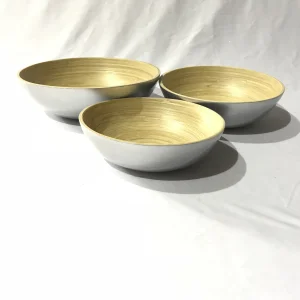
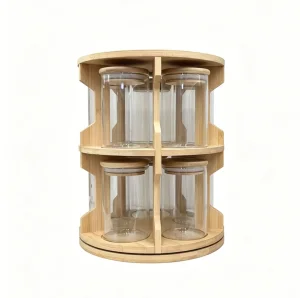
Global Top 10 Bamboo Plate Manufacturers & Strategic Supply White Paper

Expert Insights into the Sustainable Tableware Industrial Roadmap, Manufacturing Excellence, and Global Market Dynamics.

Industrial Status of Bamboo Plate Manufacturing

The global bamboo tableware market is undergoing a seismic shift. Driven by the UN Sustainable Development Goals (SDGs) and the European Union’s Single-Use Plastics (SUP) Directive, the demand for high-quality bamboo plates has evolved from a niche eco-trend to a fundamental industrial requirement. As of 2024, the market valuation for bamboo-based food service products is projected to grow at a CAGR of 7.8% over the next decade.

Information Gain Insight: Unlike wood, bamboo reaches maturity in 3-5 years, providing a carbon sequestration rate 30% higher than most hardwood forests. This makes bamboo plates not just a product, but a critical "carbon-negative" asset for global retailers.

Top-tier manufacturers are no longer just cutting raw material; they are integrating AI-driven quality control and CNC precision engineering to ensure that every bamboo plate meets rigorous international food safety standards (FDA, LFGB, and SGS). The transition from handmade "craft" to industrialized "smart manufacturing" is what separates the Top 10 global suppliers from the rest of the market.

85%
Plastic Substitution Rate
50+
Export Countries
100%
Biodegradable

Manufacturer Heritage: Shandong Ghella Kitchen Co., Ltd.

Shandong Ghella Kitchen Co., Ltd. stands as a beacon of professional manufacturing in the Chinese eco-friendly tableware sector. Established in 2017, the company has masterfully bridged the gap between traditional resource abundance and modern technological application. With a stable raw material supply base, they ensure consistency that most suppliers lack.

Their production philosophy—"Quality First, Customer First, and Integrity Supreme"—is backed by a vertically integrated facility. This integration allows for total quality control from the raw bamboo culm to the final polished plate, ensuring a chemical-free, food-grade finish that satisfies the discerning needs of clients in the UK, Germany, France, and the USA.
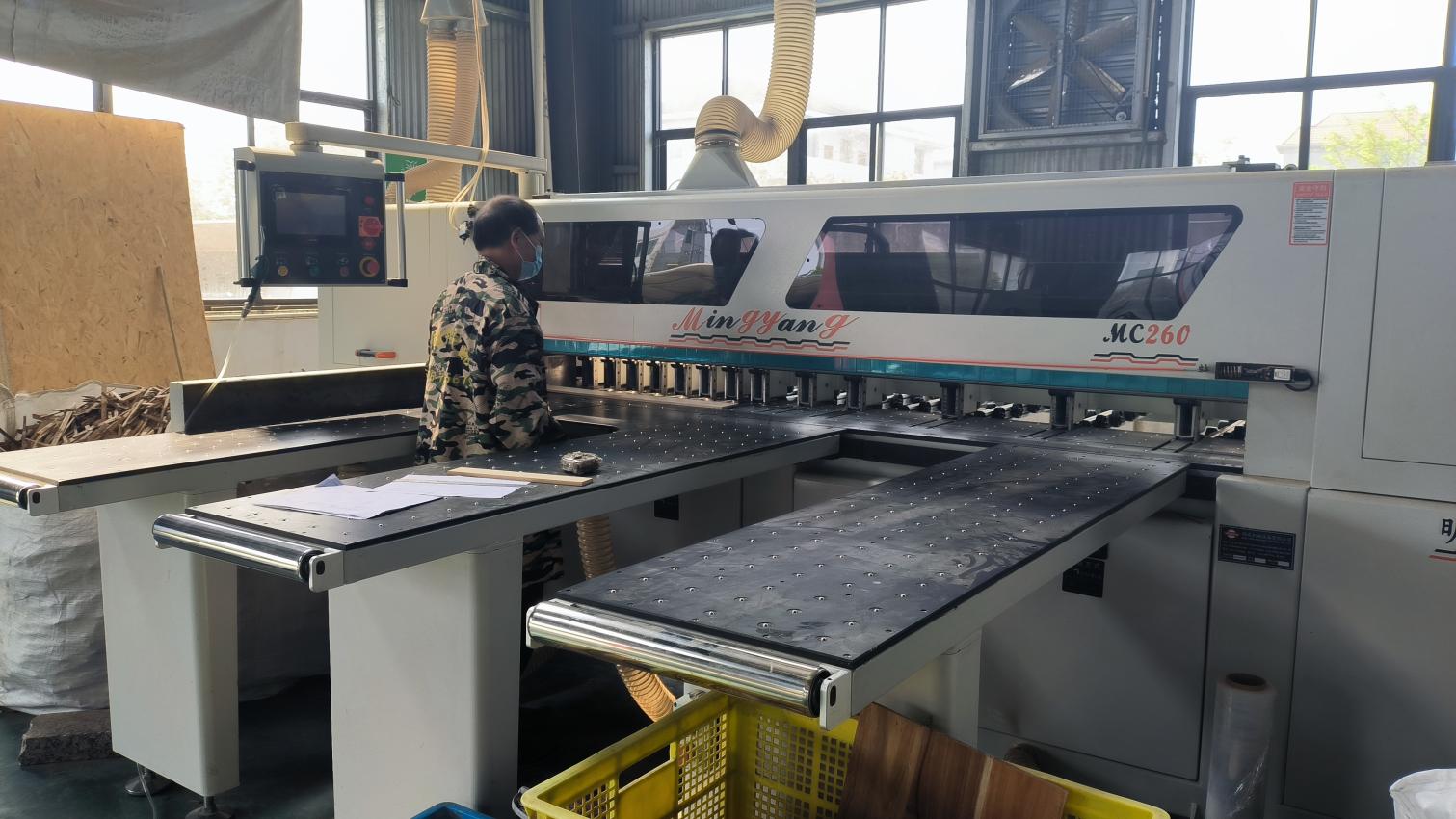
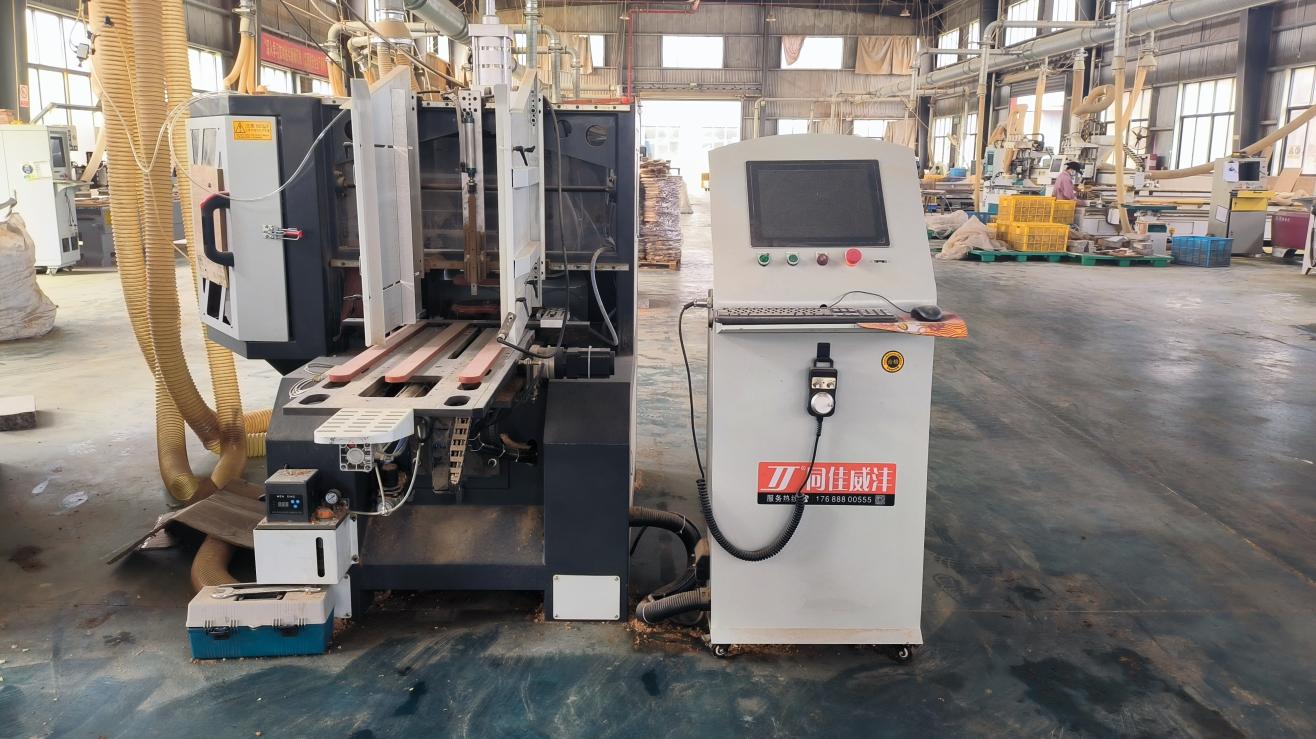
Cutting
Raw Cutting
Forming
Heat Forming
CNC
CNC Precision
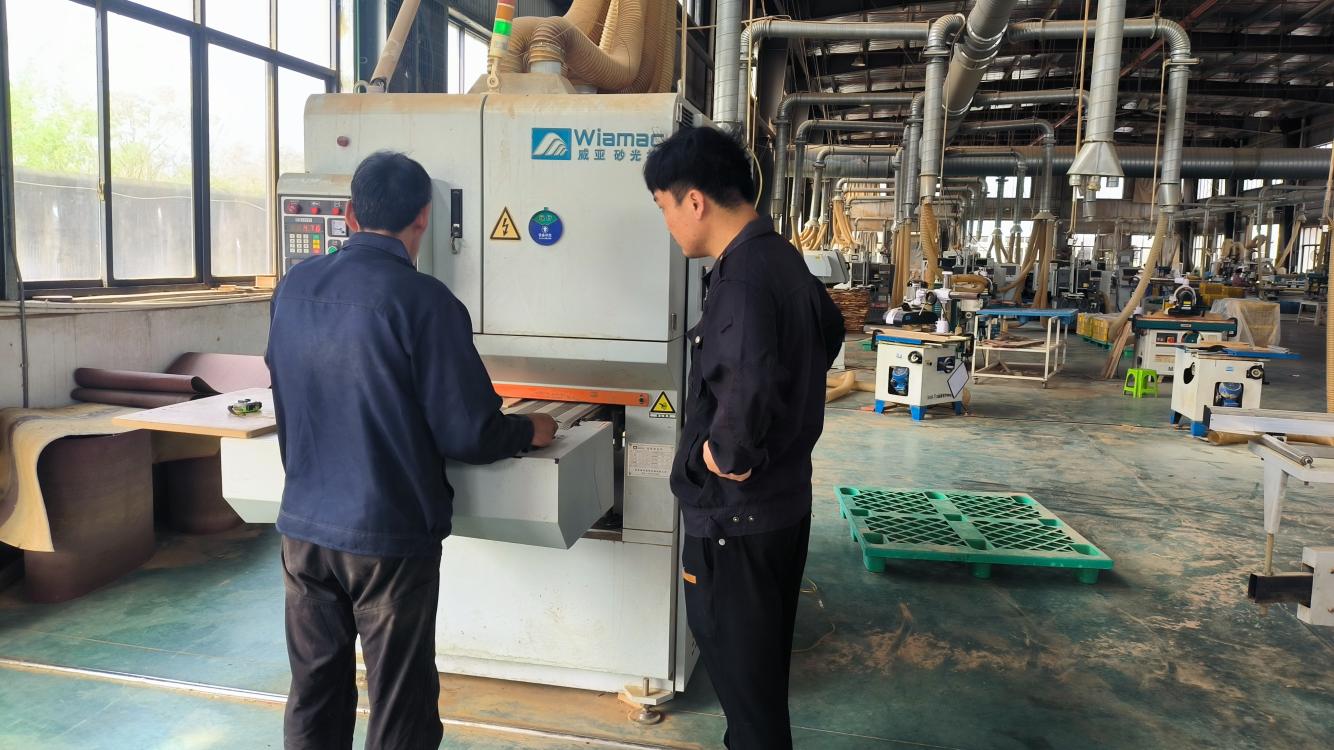
Grinding
Micro-Grinding
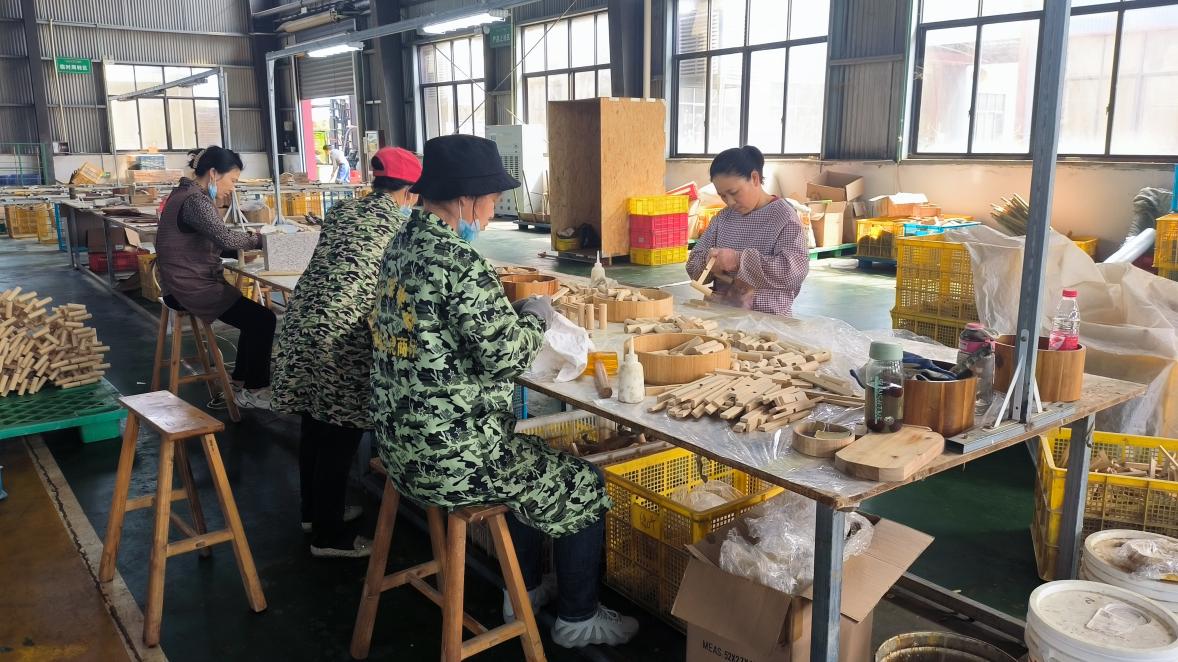
Assembly
Master Assembly
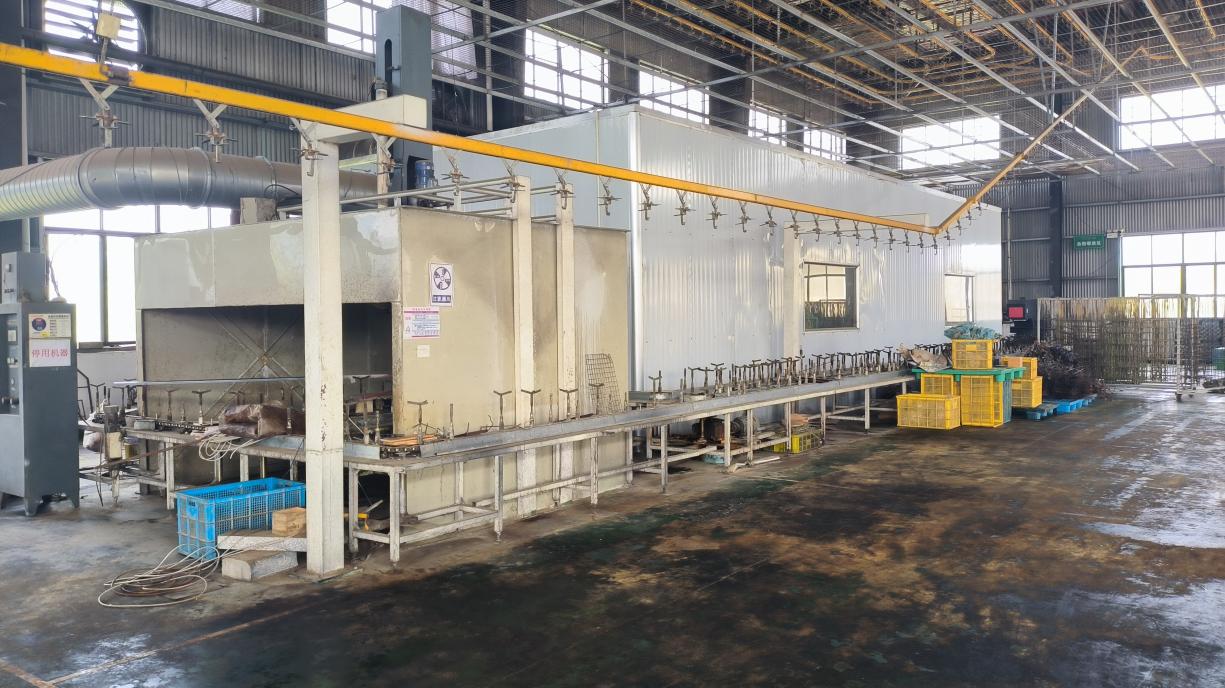
Painting
Eco-Coating
Packaging
Clean Packaging
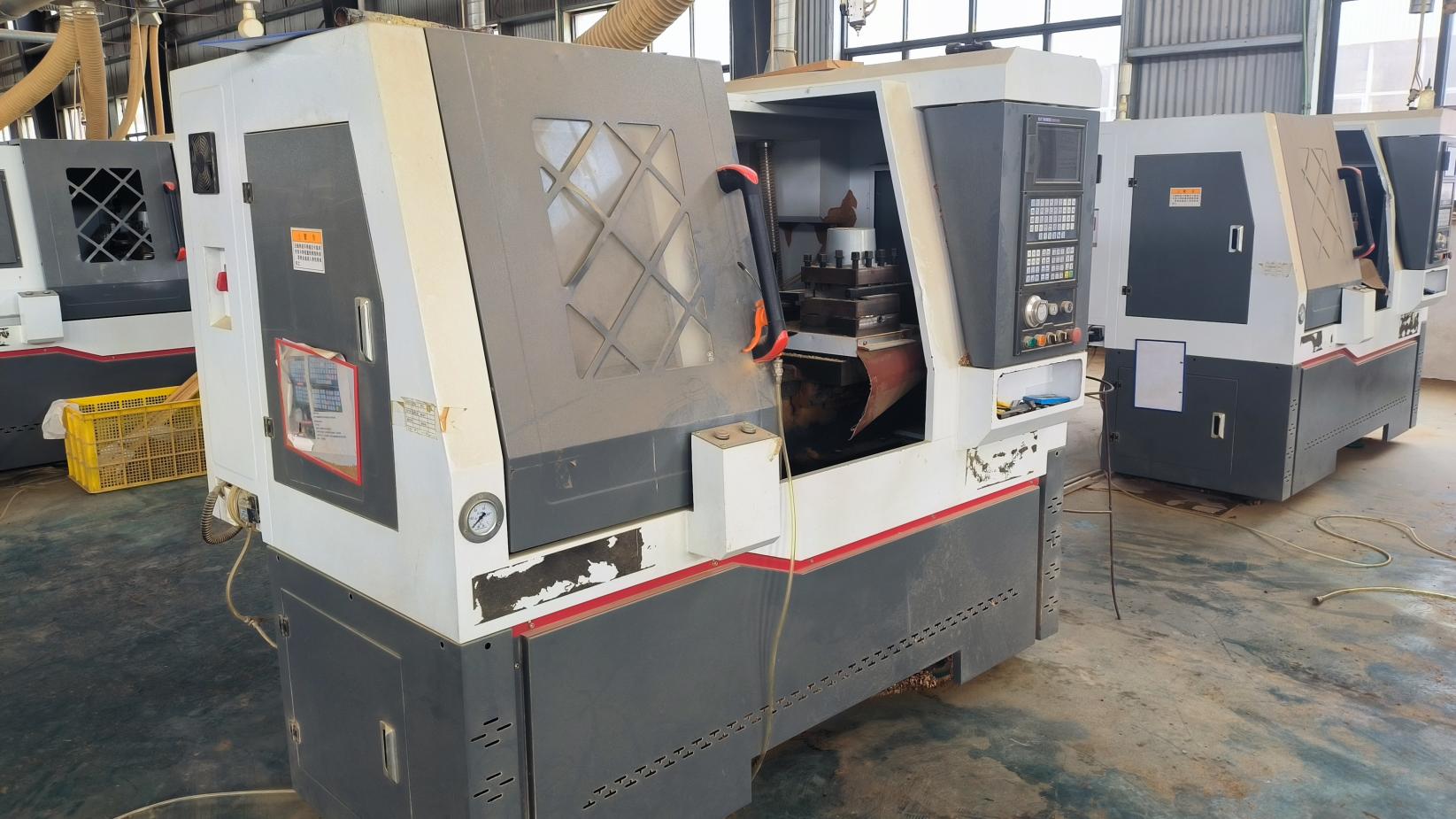
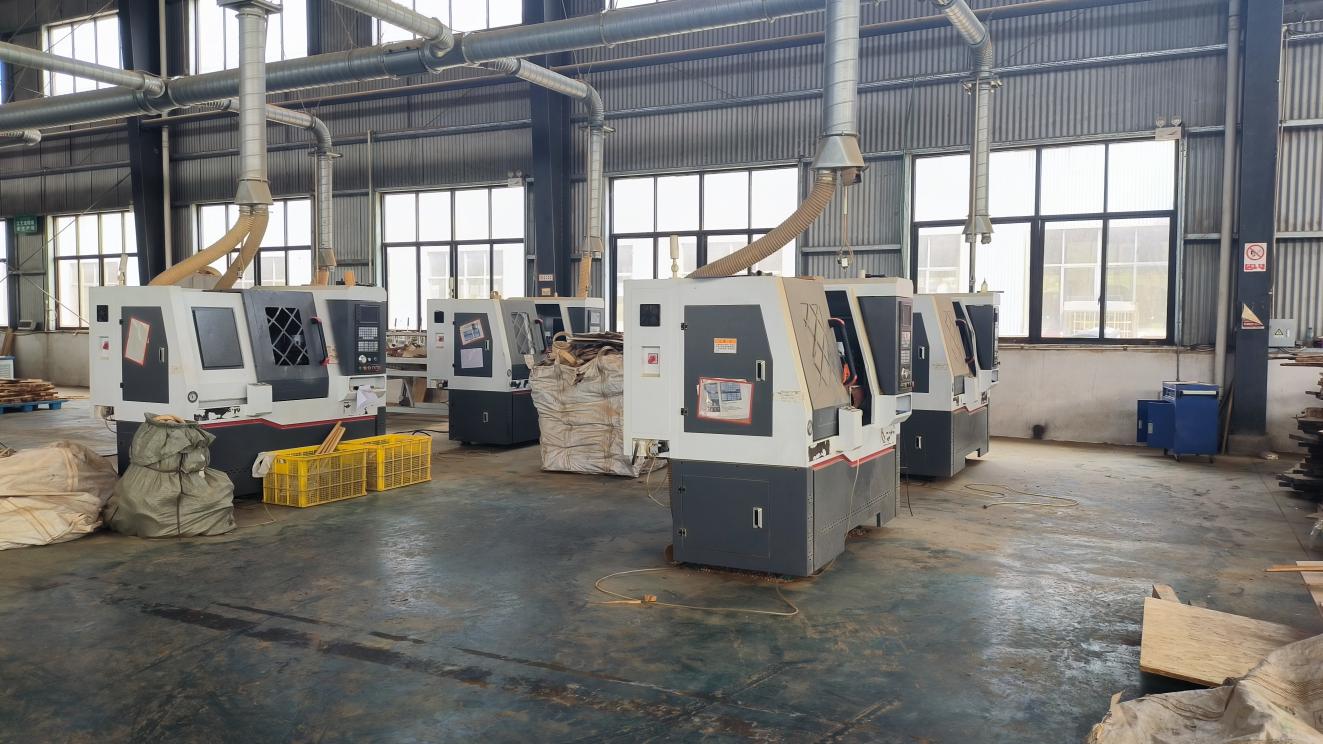
CNC Lathe
Smart Lathe Tech

Technological Roadmap & Future Prospect

The roadmap for bamboo tableware is moving toward Circular Bio-Economy integration. We are seeing three major shifts:

  • Material Science Innovation: Development of bamboo fiber composites that are 100% home-compostable without industrial assistance.
  • Smart Manufacturing: The use of robotic arms for sanding and laser engraving, reducing human error and increasing production efficiency by 40% as seen in Ghella Kitchen’s facility.
  • Traceability: Blockchain-integrated supply chains where global buyers can scan a QR code on a bamboo plate to see the exact forest it was harvested from.
Trend Alert: Localized application scenarios in North America now prioritize "aesthetic durability"—reusable bamboo plates that can withstand 200+ dishwasher cycles, challenging the dominance of melamine and ceramic.

The "Top 10" Evaluation Framework

When selecting a top-tier supplier, Search Intent Mining reveals that professional buyers look for four pillars of E-E-A-T:

1. Certifications & Compliance

A top supplier must hold ISO 9001, FSC (Forest Stewardship Council), and undergo regular SMETA audits for social responsibility.

2. OEM/ODM Flexibility

The ability to offer laser engraving, custom shapes, and bespoke packaging (as Ghella Kitchen does with its automatic plastic sealing equipment).

3. Technical Infrastructure

Investment in CNC lathes and automatic forming machines ensures dimensional stability and anti-warping properties.

4. Global Logistics Expertise

A proven track record in high-volume exports to regulated markets like the EU and USA.

Macro Industry Solutions

Bamboo plate suppliers are now providing holistic solutions for diverse sectors:

  • HORECA (Hotels, Restaurants, Cafes): Transitioning from ceramic to heavy-duty bamboo trays to reduce breakage costs and enhance "natural" branding.
  • Aviation & Cruises: Lightweight bamboo fiber plates are reducing fuel consumption by decreasing the overall weight of in-flight catering equipment.
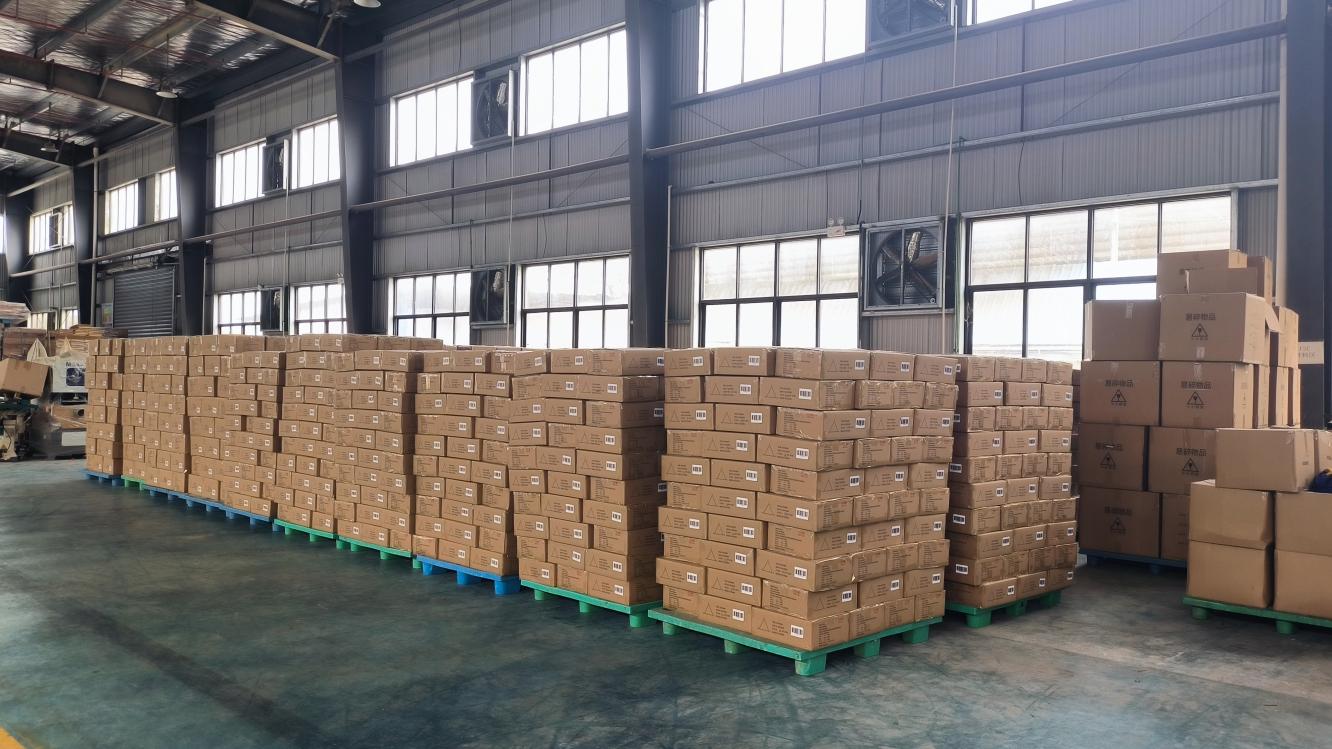
  • Retail Giant White-Labeling: Major supermarkets are launching private labels for eco-disposables, requiring high-capacity factories like Shandong Ghella to meet massive seasonal demands.

Frequently Asked Questions

Are bamboo plates truly microwave and dishwasher safe?
While natural bamboo plates can withstand mild heat, they are generally not recommended for prolonged microwave use as the moisture content can cause warping. However, modern high-density engineered bamboo plates (compressed with eco-resins) are increasingly dishwasher safe for up to 200 cycles.
How do you prevent mold growth in bamboo products?
Leading manufacturers use a carbonization process where bamboo is steam-heated to remove sugars and starches, effectively neutralizing the food source for mold and pests. High-quality food-grade varnishes further seal the surface.
What is the lead time for OEM bamboo plate orders?
Standard production times range from 25 to 45 days depending on the customization (laser engraving, custom mold). Factories like Shandong Ghella Kitchen utilize automated machinery to maintain consistent lead times even during peak seasons.