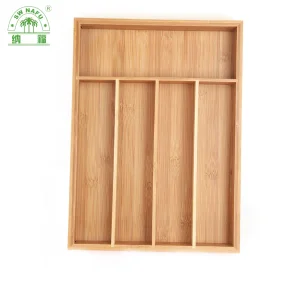
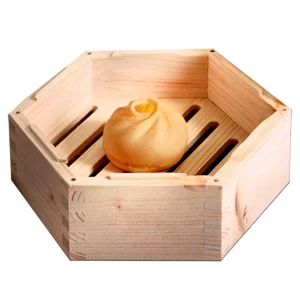
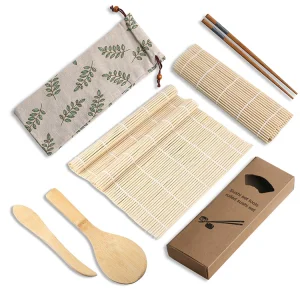
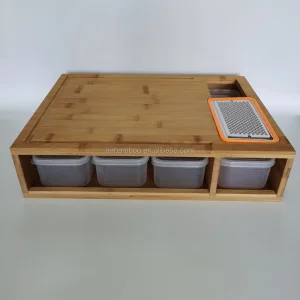
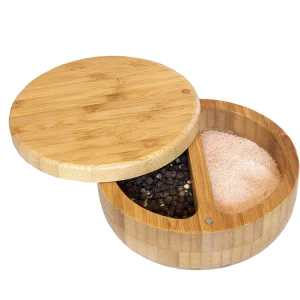
A curated selection of food-grade bamboo, bio-composite, and kitchen organization systems designed for commercial and retail distribution.
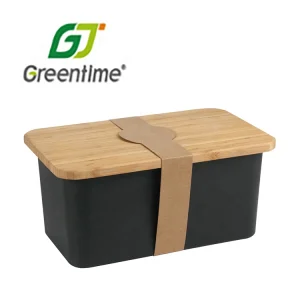
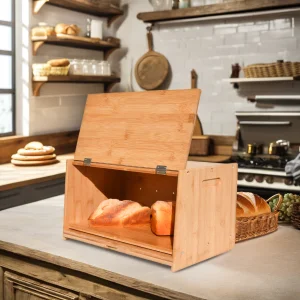
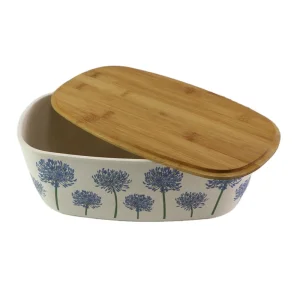


Analyzing raw material physical profiles, environmental advantages, and biological structures that drive modern commercial value.
In the context of the global green economy transition, modern commercial buyers face the dual challenge of regulatory compliance and performance reliability. As hospitality networks, fast-casual food systems, and retail conglomerates seek alternatives to single-use plastics, precision-engineered bamboo food tongs have emerged as a primary focus. Sourced systematically from industrial-grade Phyllostachys edulis (Moso bamboo), these products represent a critical convergence of material science and environmental responsibility.
Information Gain Insight: The cellular matrix of natural bamboo displays high-density cellulose microfibrils embedded in an amorphous lignin matrix, granting it a tensile strength comparable to mild structural steel (up to 400 MPa) along the grain line. For B2B clients, this translates directly to mechanical flex tolerance, minimizing fracturing and component fatigue during high-volume commercial services.
Unlike wood, which relies on decades-long growth cycles, harvested raw bamboo regenerates within 3 to 5 years without synthetic intervention or deforestation. This rapid regeneration cycle acts as a carbon sink, retaining a negative net carbon output when processed utilizing thermal-balance kilns. This sustainability profile is crucial for global enterprises aligning their supply chains with Scope 3 carbon reduction metrics.
Bridging traditional sustainable materials with advanced automated fabrication technologies since 2017.
Established in 2017, Shandong Ghella Kitchen Co., Ltd. stands as a professional manufacturer specializing in kitchenware and eco-friendly tableware in China. Committed to providing premium bamboo, wood, and sustainable kitchen products to global buyers, the company maintains structural advantages by securing a stable, localized raw material supply base. This base ensures consistent material density, reliable moisture levels, and high production volume capacity from raw material cutting to finished packaging.
Equipped with advanced production machinery and supported by a dedicated team of materials engineers and technicians, the factory specializes in manufacturing bamboo whisks, skewers, chopsticks, party decoration picks, and custom bamboo food tongs. Leveraging industrial CNC tooling, automated lathe profiling, and advanced grinding machines, the company maintains tight tolerance control across its product range, meeting the strict specifications required by international food service systems.
Fitted with precision laser engraving, pad printing, and hot stamping machines for brand logo integration.
Moisture-barrier shrink wrapping ensures contamination-free transport across intercontinental freight routes.
Serving major distribution networks throughout the United States, Germany, France, Japan, and the Middle East.
Operating under the philosophy of "Quality First, Customer First, and Integrity Supreme," Shandong Ghella Kitchen continuous to refine its quality control frameworks. Under the core directive of "better products, better service," the company has built long-term commercial alliances with global brands, positioning itself as a reliable manufacturer for sustainable food service supplies.
Visualizing the 12 key phases of processing, shaping, and packaging bamboo kitchenware at our production facility.
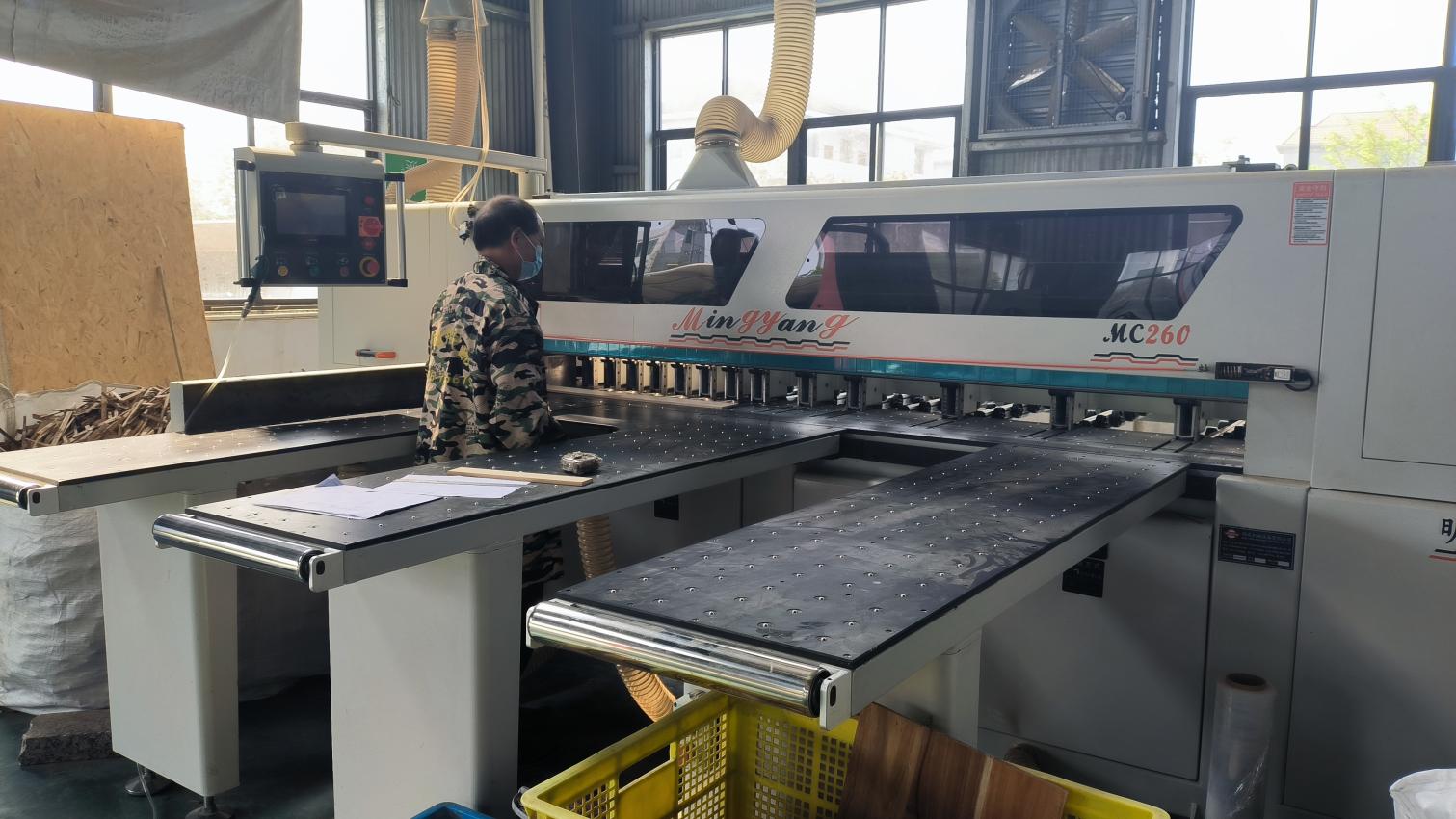
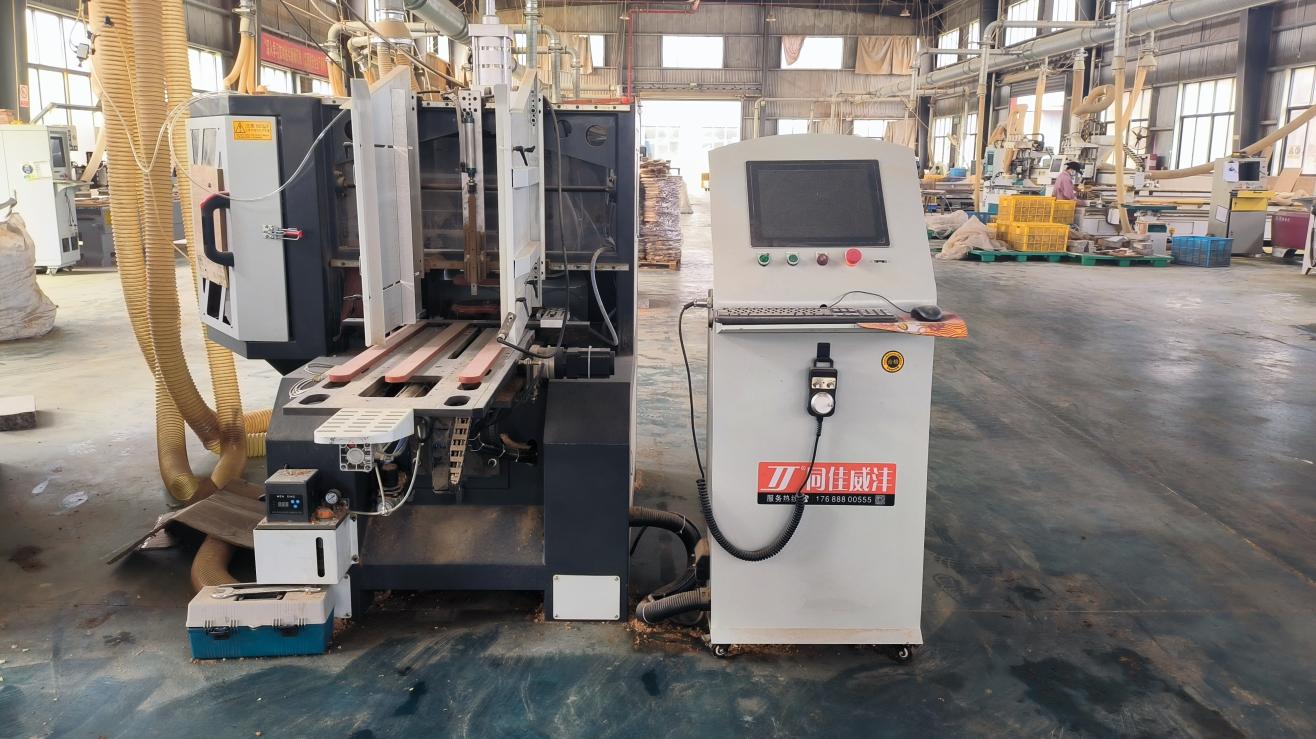
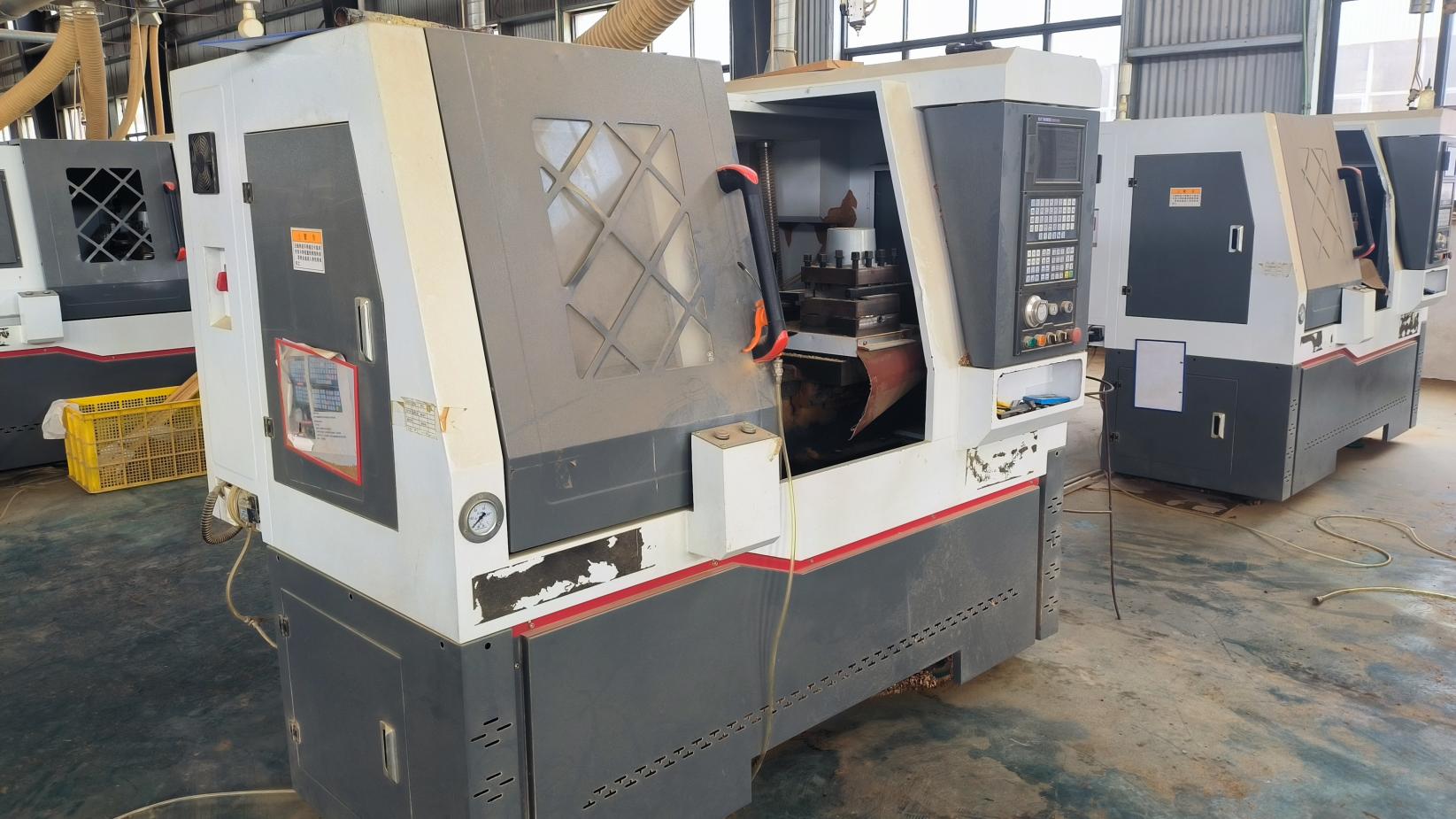
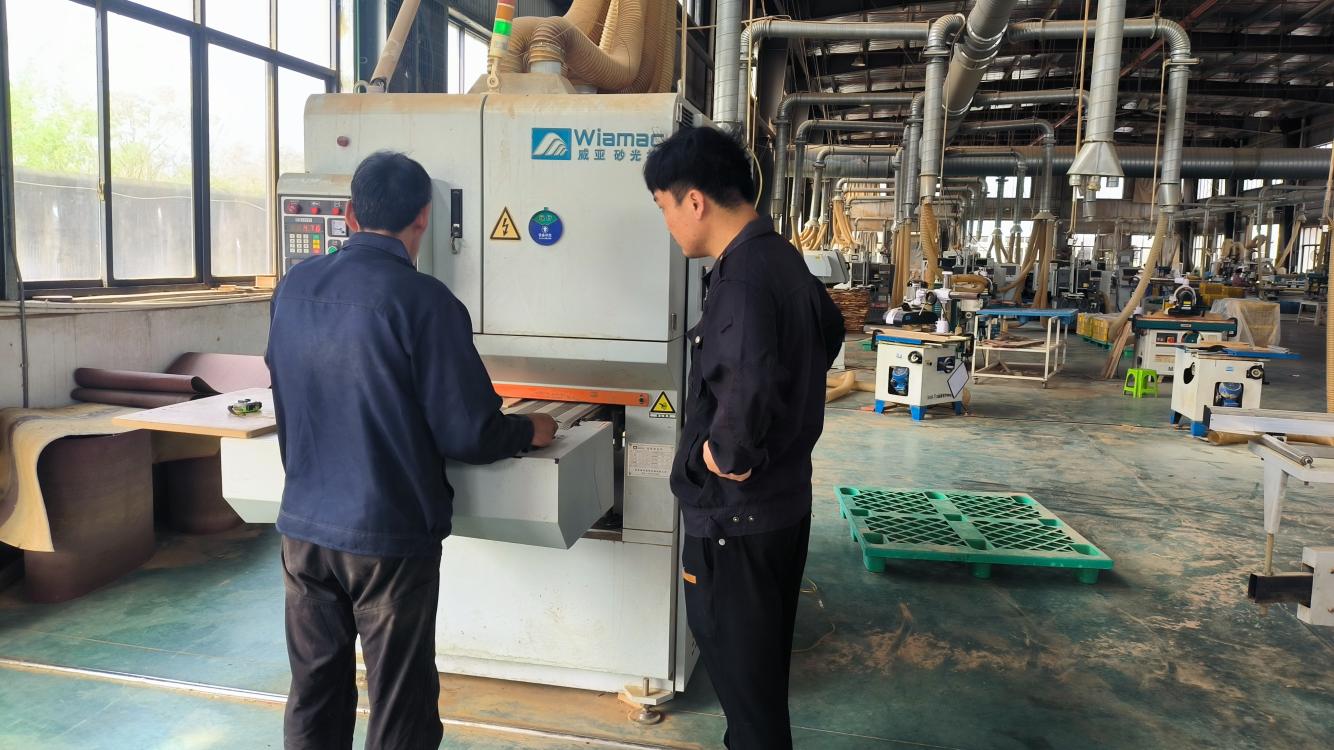
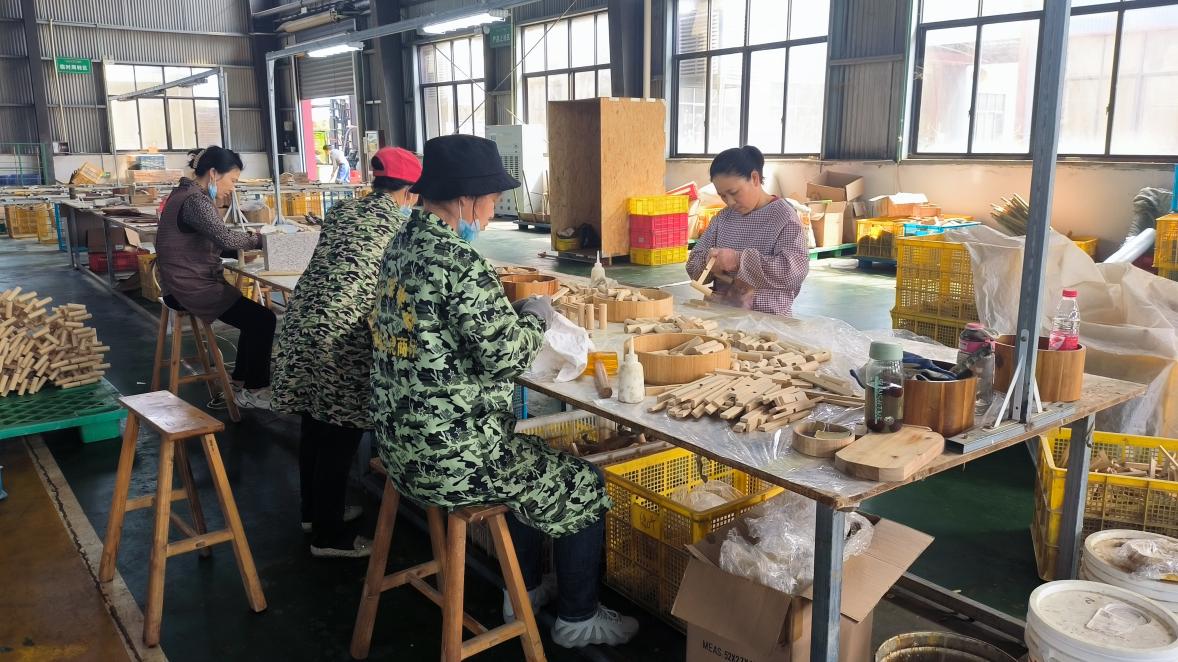
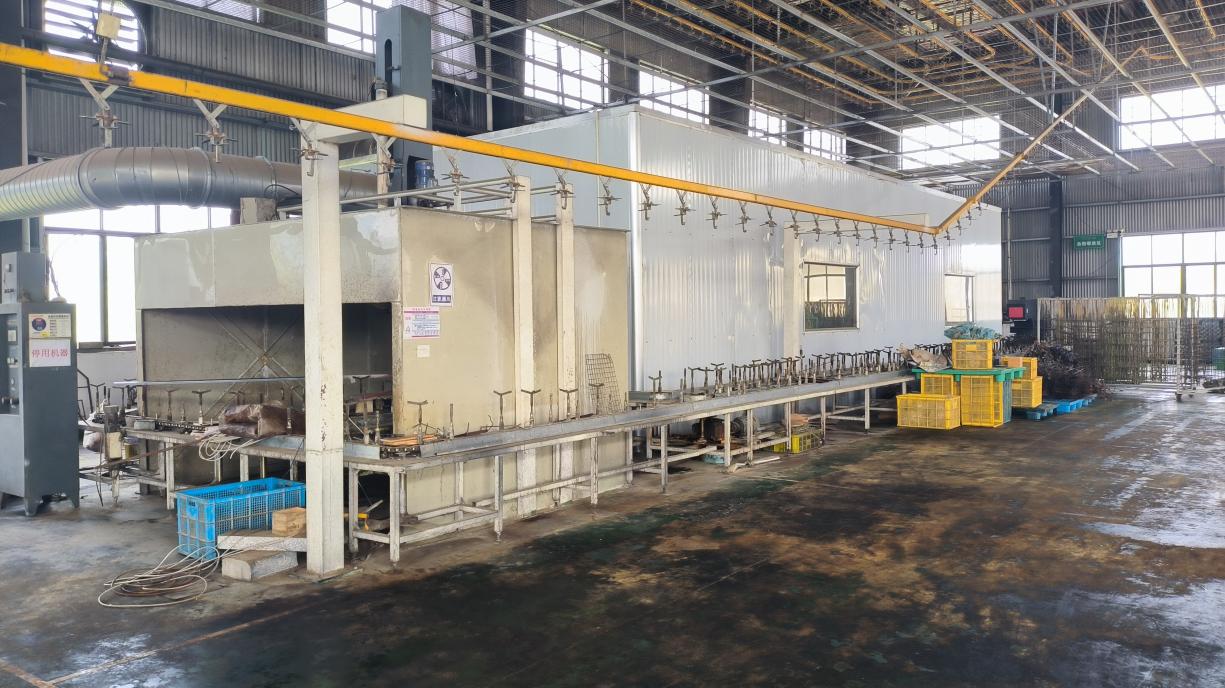
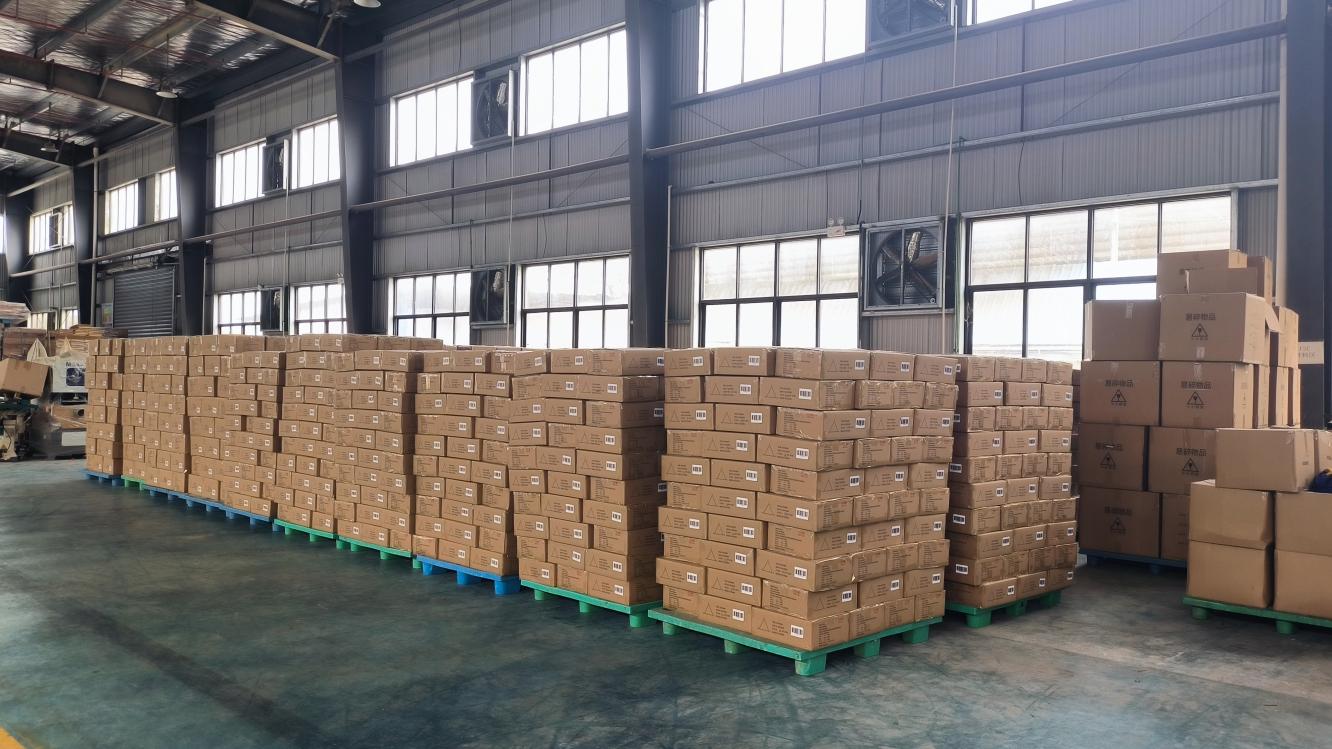
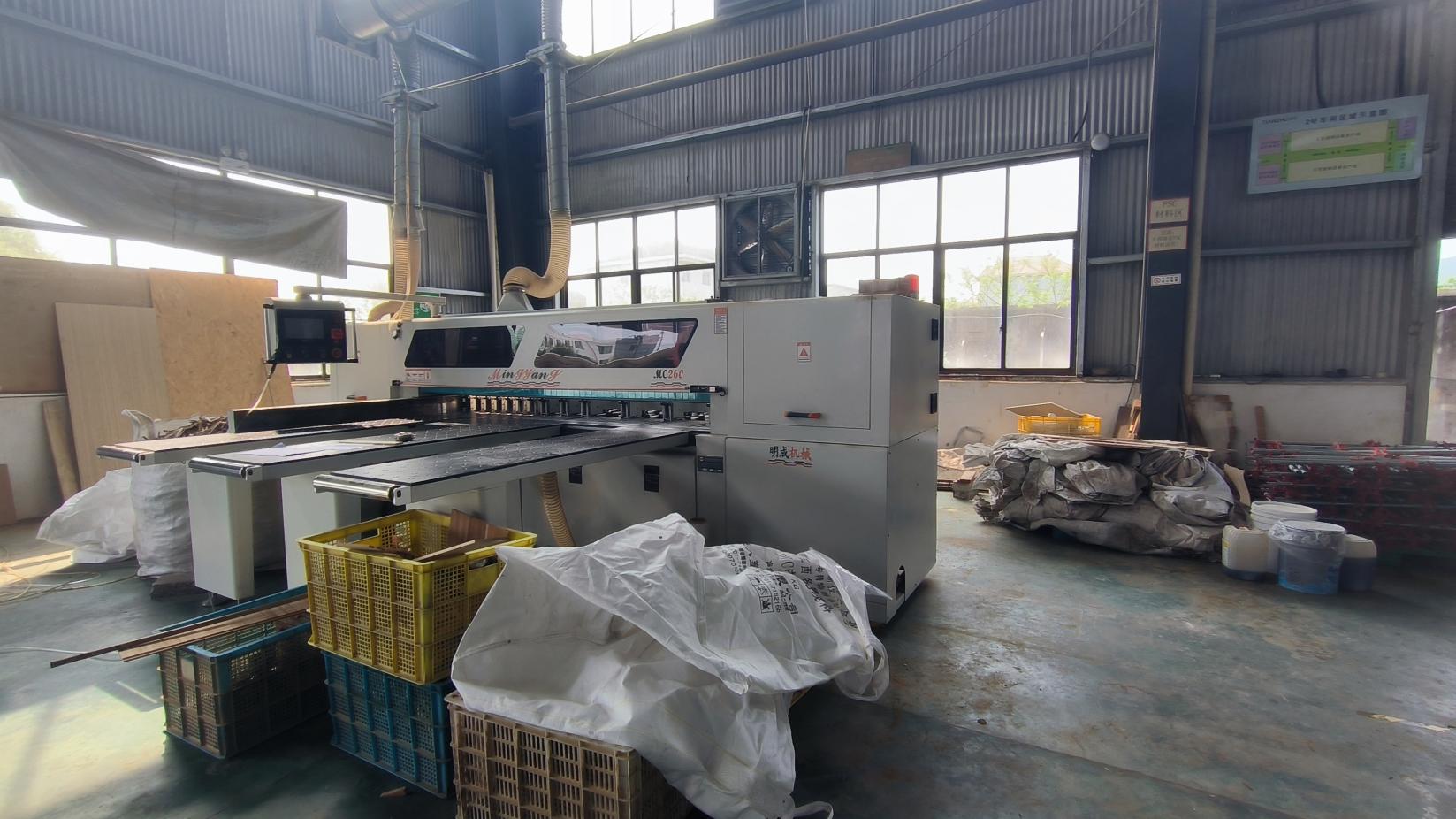
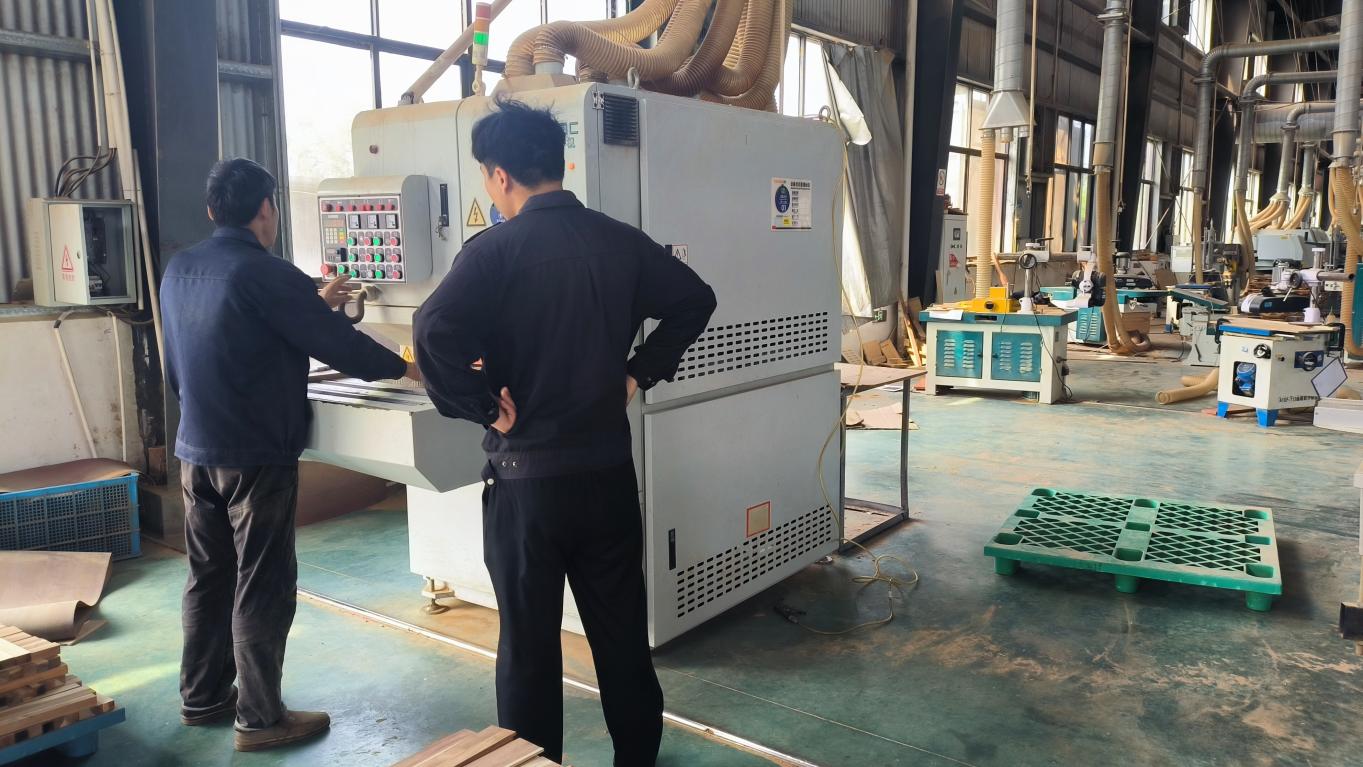
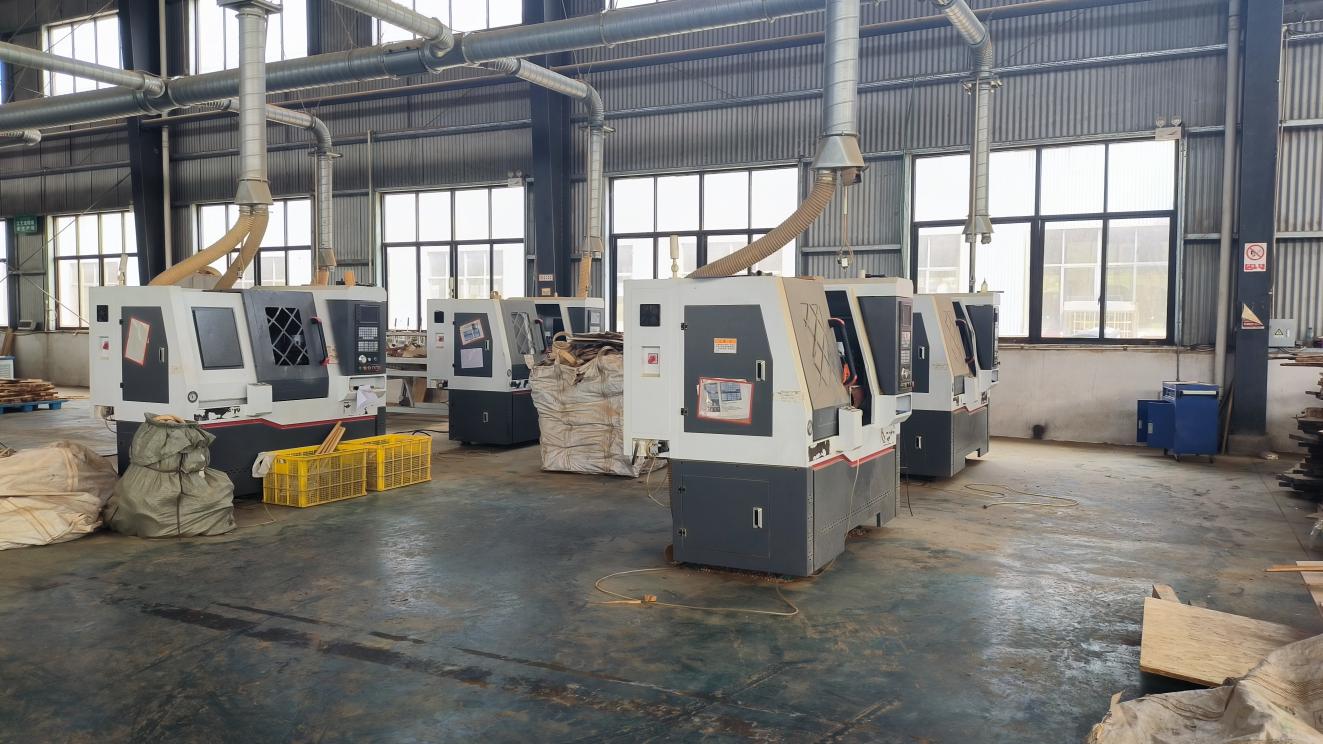
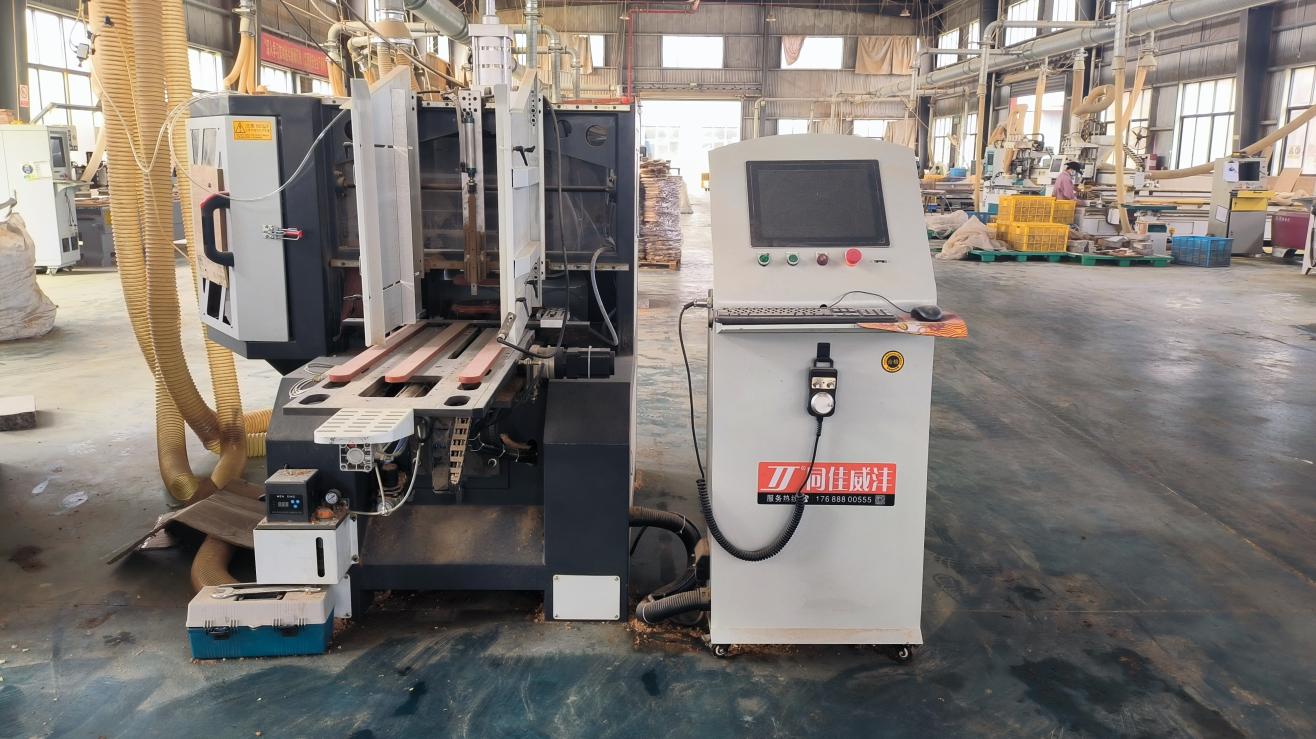
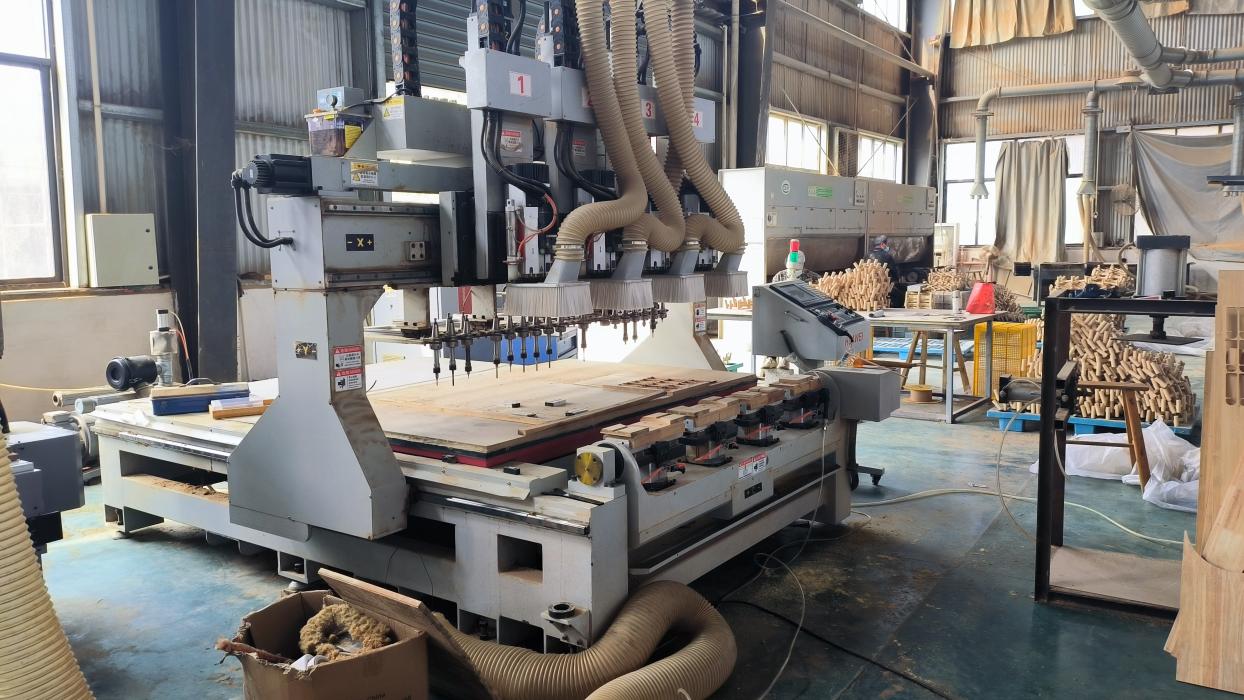
Evaluating why China remains the global leader in bamboo processing and cost-efficient export infrastructure.
The consolidation of the raw bamboo processing industry in regions like Shandong allows factories to scale manufacturing efficiently. Managing the supply chain goes beyond harvesting; it requires integrated raw material collection, processing, and transportation infrastructure to deliver consistent quality globally.
Shandong Ghella Kitchen operates with direct supply lines from local bamboo groves. This local sourcing mitigates the risk of seasonal supply interruptions. Direct control over raw materials ensures consistent sorting, keeping density high and preventing early decay.
Using advanced machinery—including CNC lathes and automatic forming machines—allows the factory to maintain precise dimensions for bamboo food tongs. This level of automation reduces dimensional variation to less than 0.5mm, improving material yield and ensuring consistent performance in commercial settings.
Global distributors require flexible production to manage inventory changes. The presence of specialized packaging workshops with laser engraving, pad printing, and hot stamping equipment enables fast adjustments for OEM/ODM projects. Brands can quickly scale from standard utensils to custom, branded solutions with short lead times.
Understanding safety requirements, material standards, and certification expectations for international target markets.
Because bamboo food tongs directly contact food, global enterprises must verify compliance with regional food safety regulations. Importers face regulatory risks if their products lack proper laboratory certifications.
Tongs destined for North America must comply with FDA 21 CFR standards. Raw bamboo must be free from toxic chemical treatments, pesticides, or heavy metals. Finishes and adhesives must use food-contact-approved formulations.
European regulations require testing to confirm that no chemical transfer, odor, or flavor alteration occurs when materials touch food. This testing is crucial for ensuring products are safe under varied temperature conditions.
FSC certification confirms that bamboo raw material is sourced from responsibly managed forests. This documentation provides traceability for ESG audits, helping corporate buyers confirm the sustainability of their supply chain.
Our quality control processes ensure that all production runs go through carbonization kilns. This step stabilizes sugars in the wood fibers, preventing pest infestation and mold without the use of chemical preservatives. This approach ensures products meet strict health standards for export to the US, EU, and Asian markets.
Exploring where bamboo utensils are used and the shifts shaping sustainable dining and retail sectors.
Anti-Splinter Coatings: Advanced manufacturing now incorporates plant-based waxes, providing water-resistance and splinter protection without compromising biodegradability.
Design Innovation: Simple mechanical joints are replacing chemical glues, creating clean, single-piece utensils that perform reliably under tension.
Circular Integration: Brands are integrating bamboo utensils into circular supply chains, routing end-of-life products to local composting systems rather than landfills.
Direct answers to technical, logistics, and compliance inquiries for commercial sourcing managers.
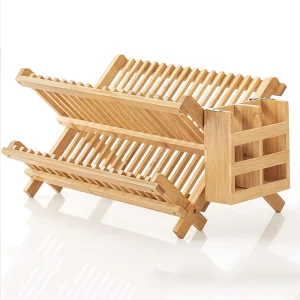
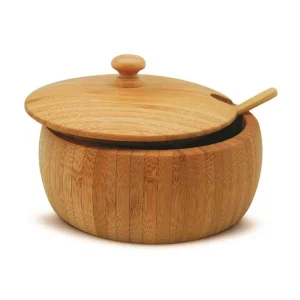
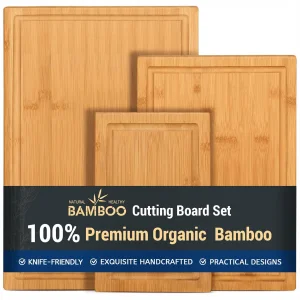
Functional, eco-conscious serving and storage items constructed for global wholesale, food service, and retail distribution.


 Ghella Kitchen