Premium biodegradable bamboo tableware engineered to withstand high-volume commercial hospitality applications across Australia.
Providing Australian corporate buyers, restaurant groups, and packaging distributors with transparent capacity, compliance, and custom capabilities.
Australia’s commercial food industry is navigating a pivotal regulatory and cultural transition. Under the combined weight of state-level single-use plastic bans, the Australian Packaging Covenant Organisation (APCO) targets, and consumer-led sustainability movements, business owners are looking for alternatives. From high-end bistros in Sydney's Darling Harbour to bulk food service operators in Melbourne, the demand for durable, non-toxic, and truly biodegradable food containers has never been higher.
This industry paper explores the material science, manufacturing advantages, localized supply chain dynamics, and regulatory benchmarks for importing premium bamboo salad bowls into the Australian market. We provide procurement managers, corporate hospitality groups, and eco-packaging distributors with the strategic insights required to transition successfully to sustainable tableware models.
The Australian hospitality industry has witnessed legislative shifts. State governments across New South Wales (NSW), Victoria (VIC), Queensland (QLD), and Western Australia (WA) have instituted bans on single-use plastics, including bowls, plates, and cutlery. For restaurants, event caterers, and food service franchises, this has made compliant alternatives a operational necessity.
However, the transition is not without challenges. Many alternative products, such as PLA-lined paper containers, require commercial composting facilities to break down, which are limited in regions of Australia. In contrast, natural bamboo and bamboo fiber pulp items are suitable for home composting or simple organic waste streams. Consequently, businesses that transition to premium bamboo bowls reduce their environmental impact while future-proofing their operations against further changes in local plastic bans.
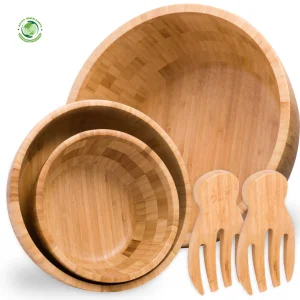
To evaluate bamboo's structural integrity, we categorize products into three primary configurations: solid bamboo, spun bamboo, and molded bamboo pulp fiber. Each serves specific commercial requirements in the Australian market:
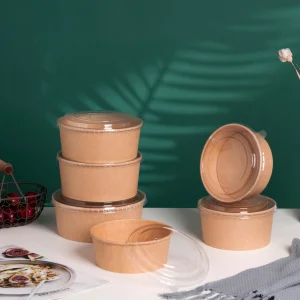
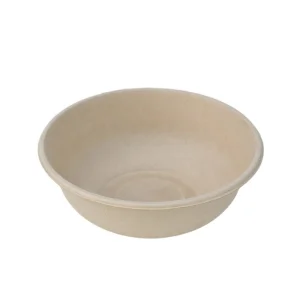
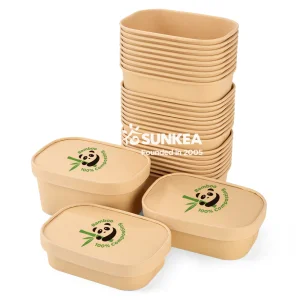
Made from the fibrous residue of bamboo processing, these disposable containers are grease-proof, microwaveable, and fully home-compostable, making them suitable for takeaway operations.
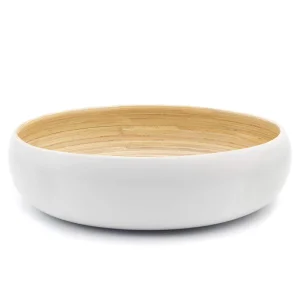
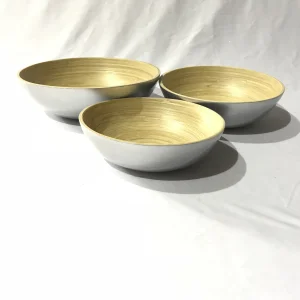
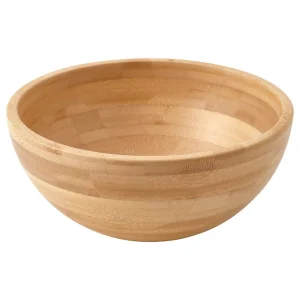
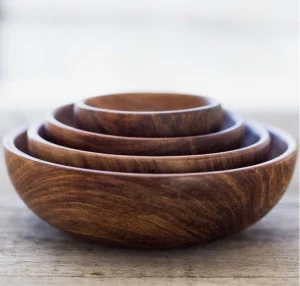
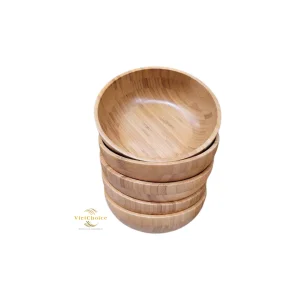
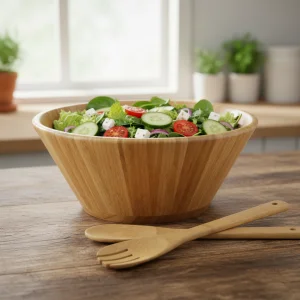
Constructed by assembling coiled bamboo strips or solid panels, these premium bowls are ideal for sit-down dining, salad bars, and luxury retail gift sets due to their durability and design.
Unlike traditional hardwoods, which require decades to mature, bamboo grows rapidly, reaching harvesting height in 3 to 5 years. It possesses a tensile strength comparable to steel (approximately 28,000 psi) and contains a natural bio-agent, "bamboo kun," which prevents pest infestation without the use of chemical pesticides. This makes it a clean, food-safe raw material for manufacturing high-quality commercial tableware.
While many nations process basic agricultural materials, China remains a leading hub for advanced bamboo manufacturing. Companies like Shandong Ghella Kitchen Co., Ltd. combine access to high-grade bamboo raw materials with precision engineering, advanced CNC technology, and automated manufacturing pipelines. Established in 2017, Shandong Ghella Kitchen Co., Ltd. has developed specialized production facilities to meet the strict quality standards of the global market.
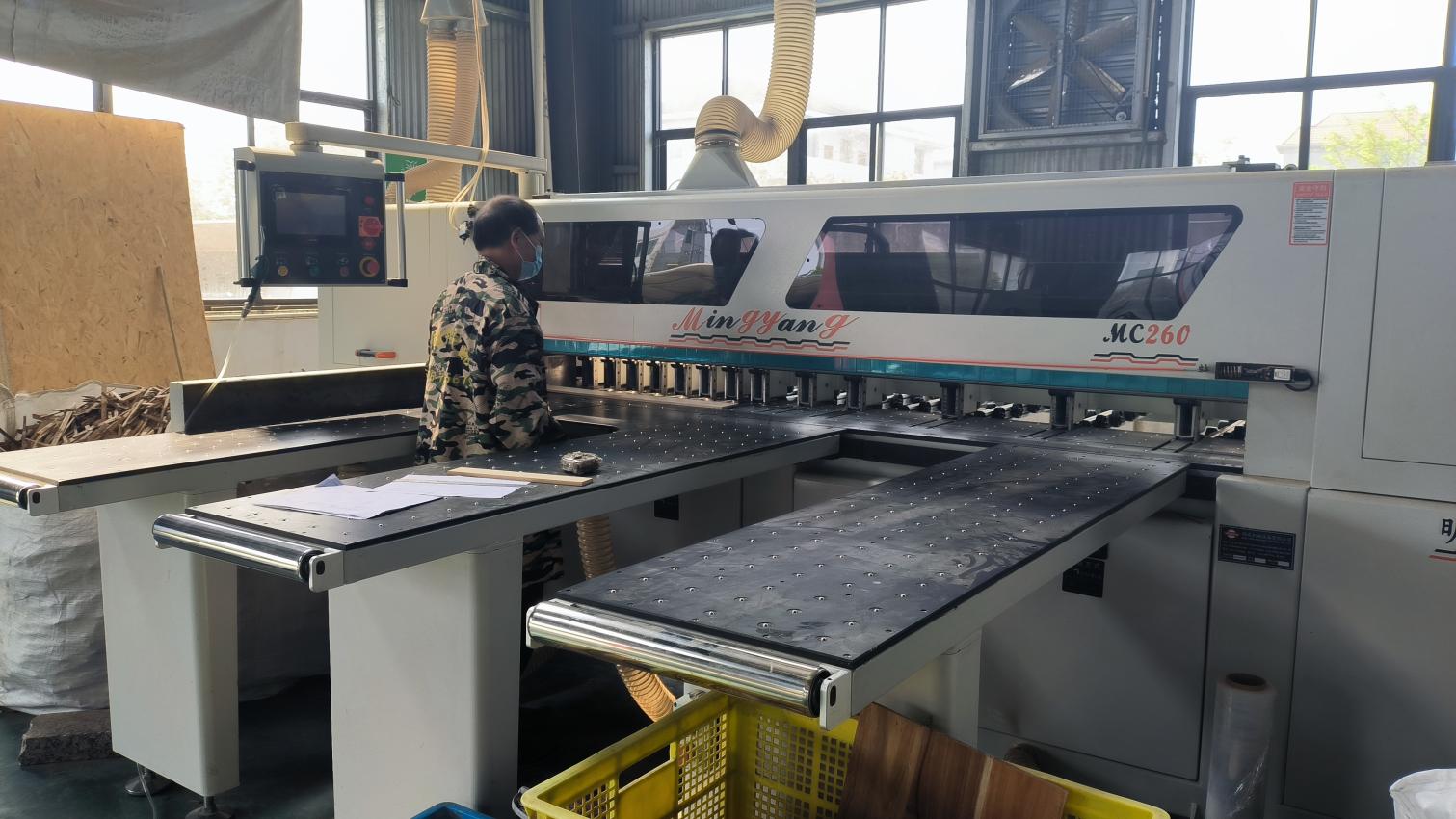
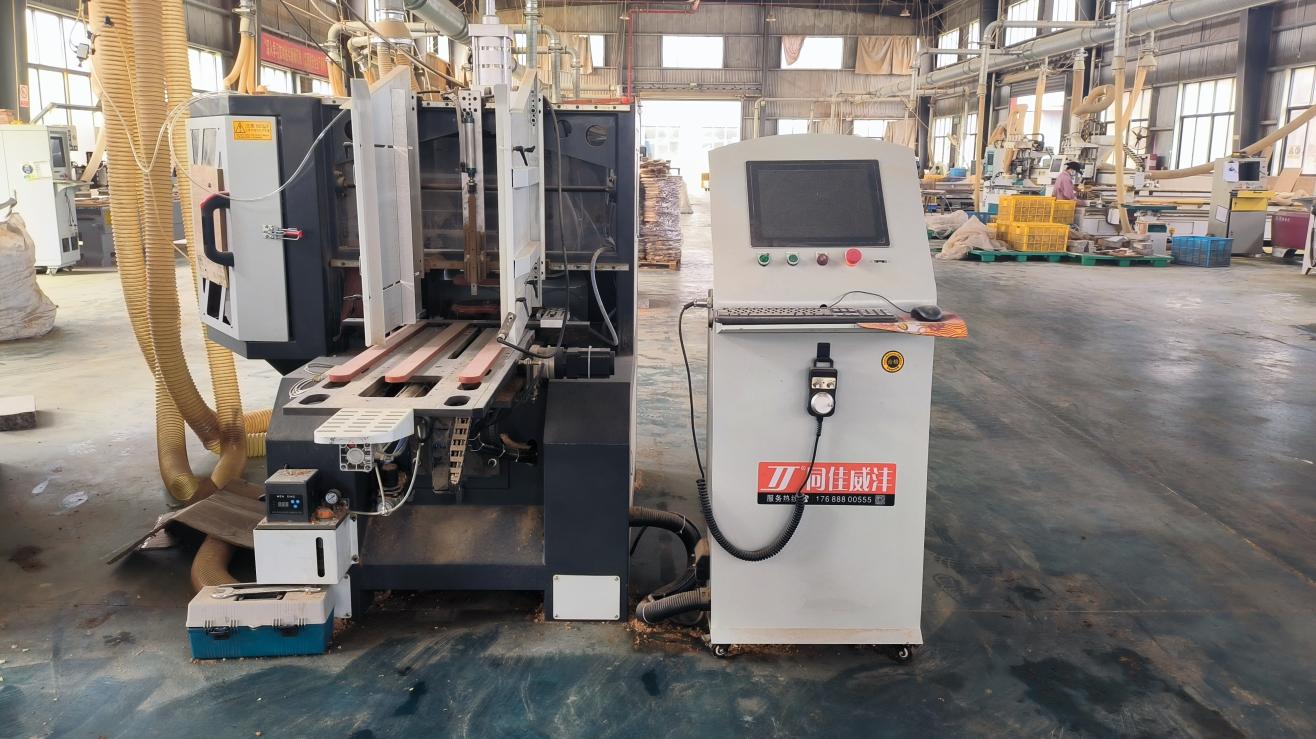
Our raw material sourcing secures Moso bamboo, known for its density and structural integrity. Our production process combines craftsmanship with technology: automated drying kilns maintain moisture levels between 8% and 12% to prevent cracking, while advanced CNC lathes ensure precise dimensions across bulk orders. This balance of automated and manual quality control allows us to deliver consistent results for complex OEM and ODM requests.
Direct supply from Shandong Ghella Kitchen Co., Ltd. offers stable wholesale pricing, customizable sizing, and logo integration options tailored to the requirements of the Australian market.
Send Inquiry NowImporting wood and bamboo items into Australia requires compliance with the Department of Agriculture, Fisheries and Forestry (DAFF) biosecurity regulations. Untreated wood and bamboo can harbor pests, which presents a risk to local ecosystems. To import without delay, products must undergo heat treatment or fumigation, with verified documentation provided at the port of entry.
Additionally, food contact items must meet the standards of Food Standards Australia New Zealand (FSANZ). This means products must be free from harmful chemicals, including heavy metals, formaldehyde, and BPA. Shandong Ghella Kitchen Co., Ltd. addresses these requirements by utilizing FDA and LFGB-approved food-safe lacquers and food-grade adhesives, ensuring smooth customs clearance for imports to major Australian hubs like Sydney, Melbourne, and Brisbane.
A transparent look at our factory floor, displaying the technical steps from raw timber processing to finished, food-safe bamboo tableware.
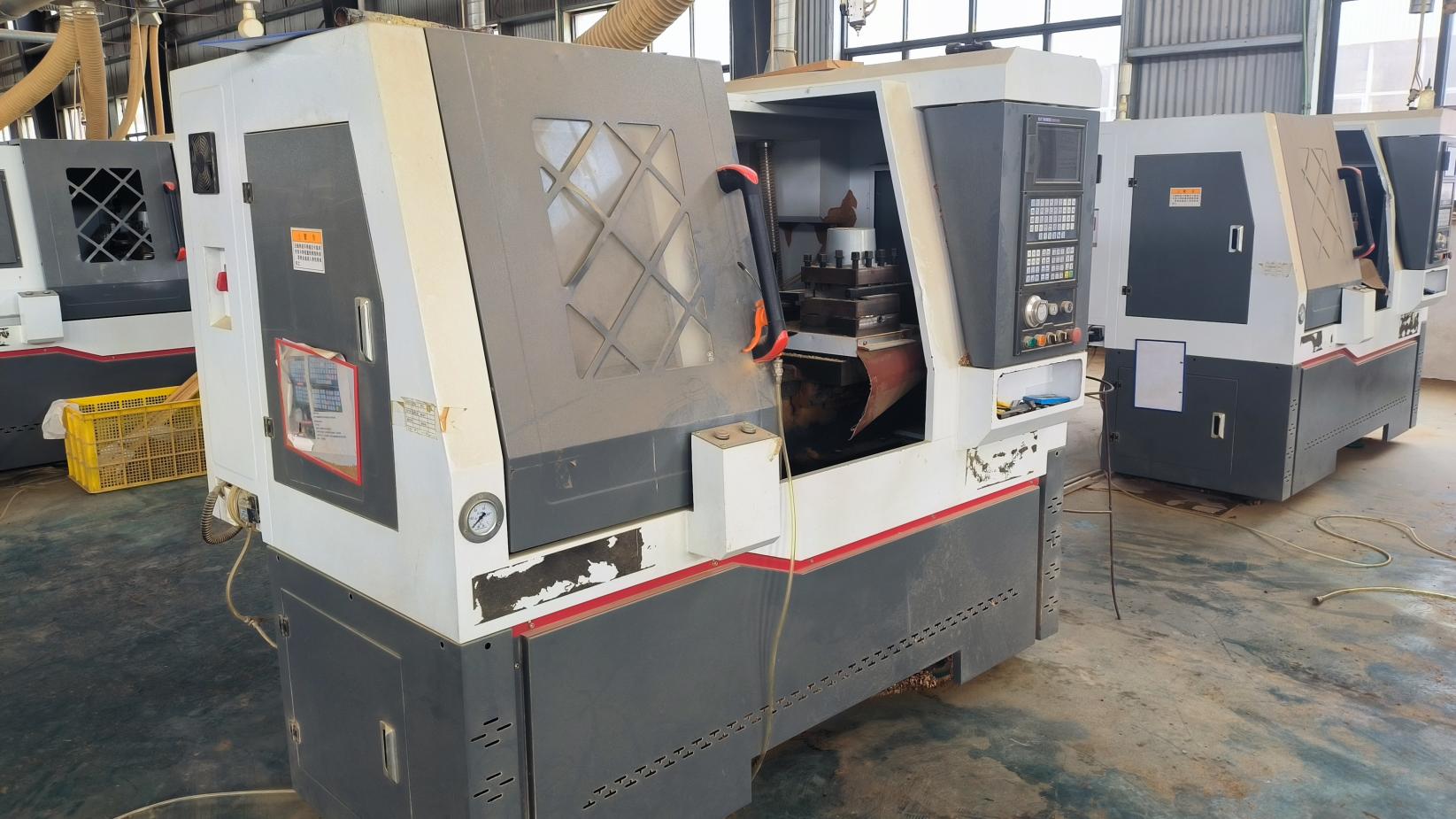
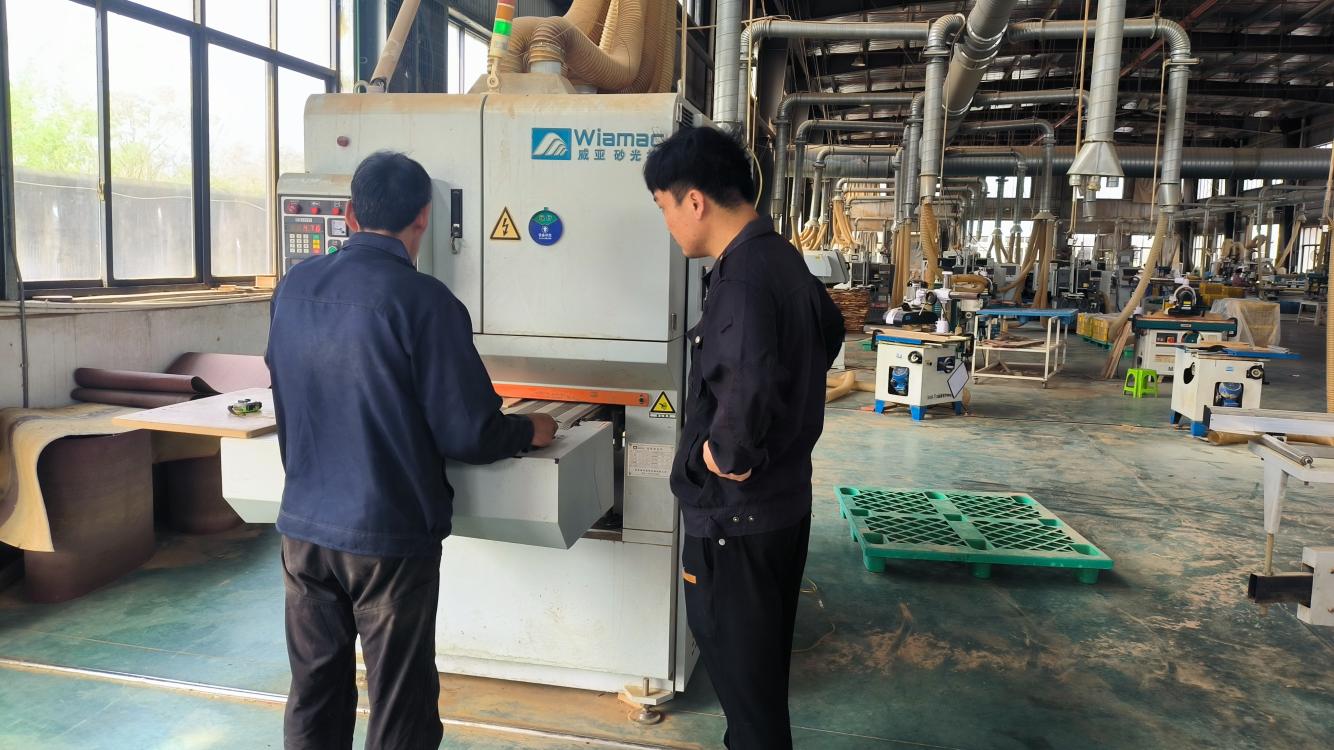
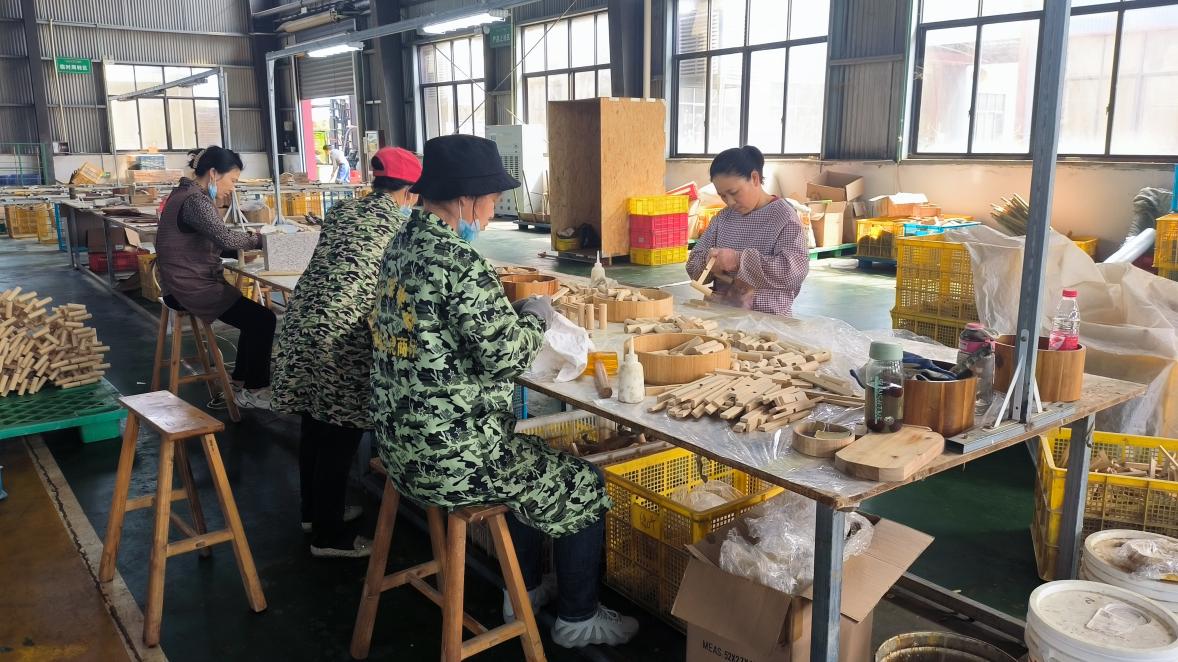
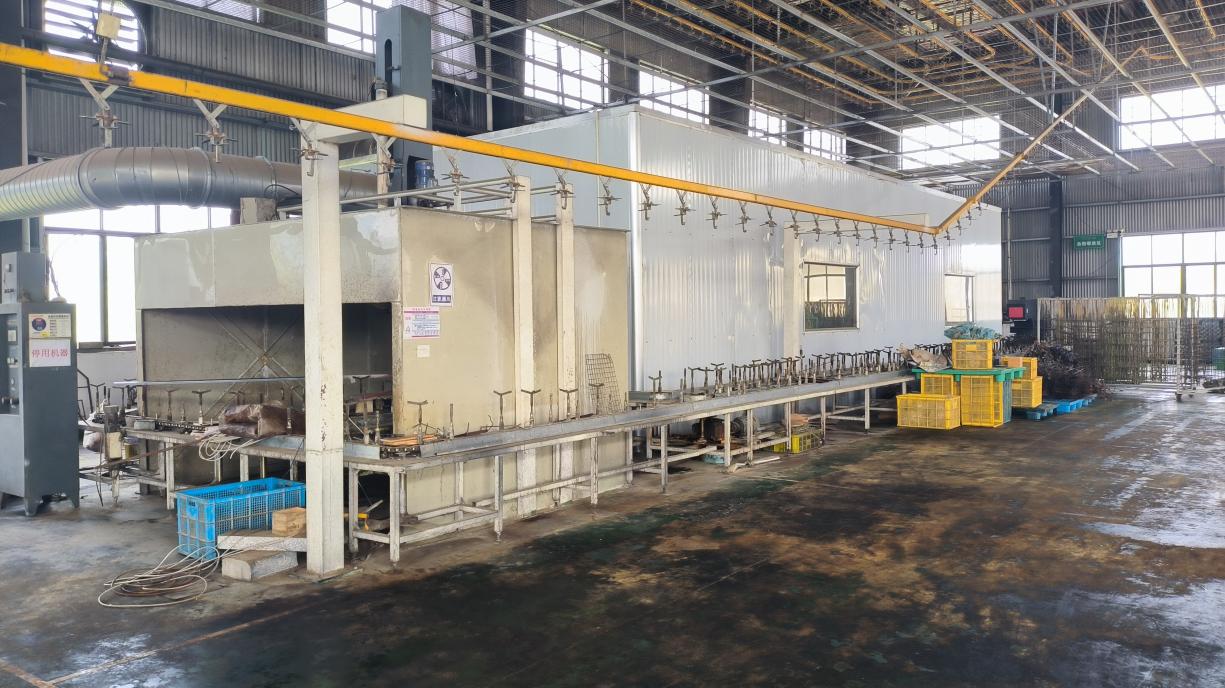
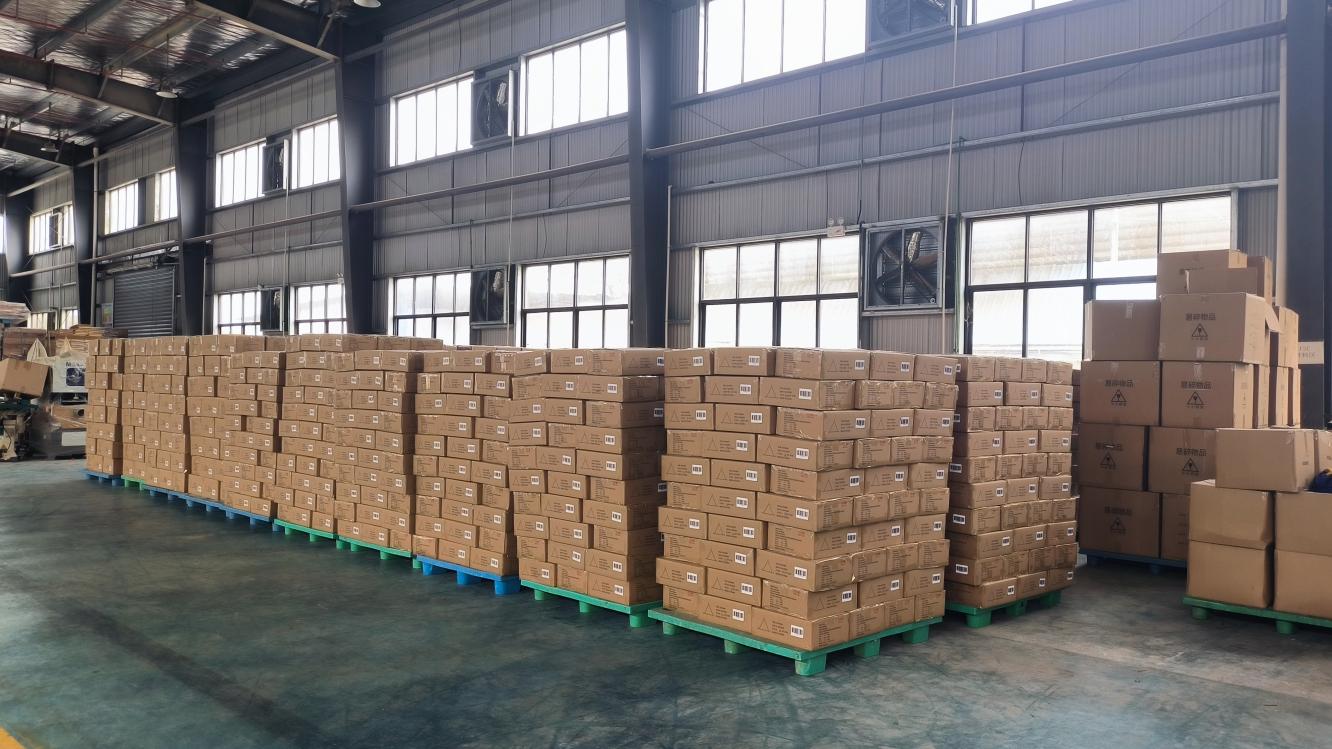
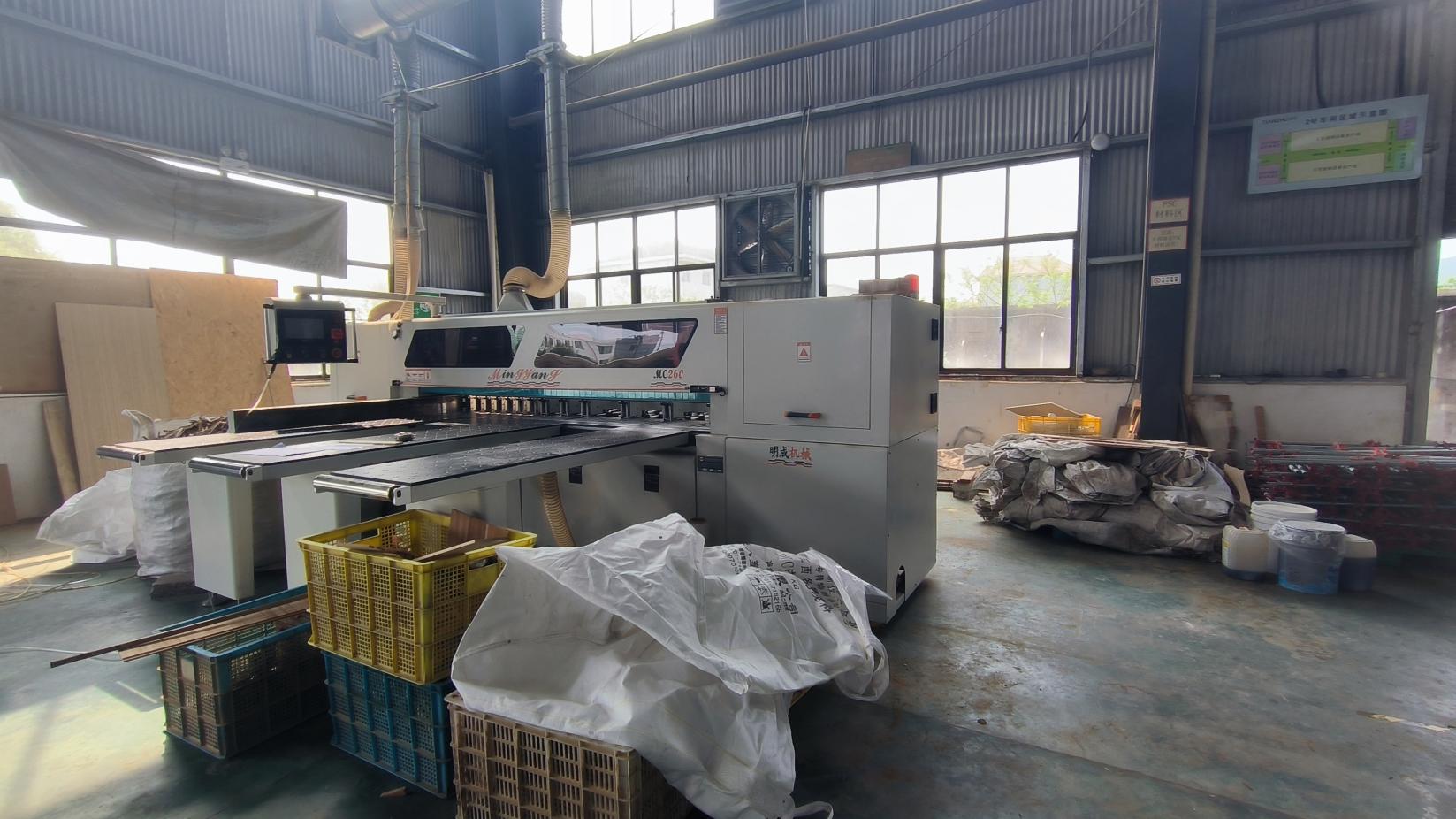
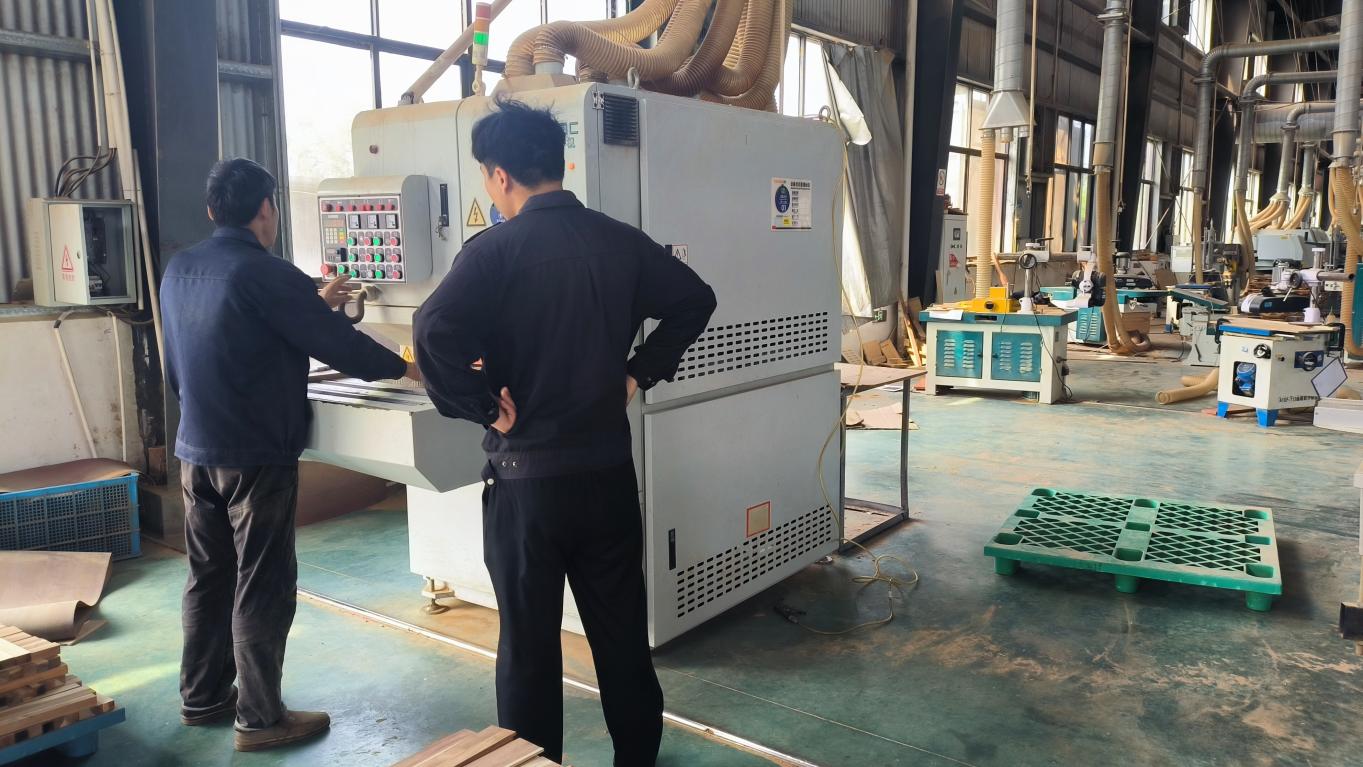
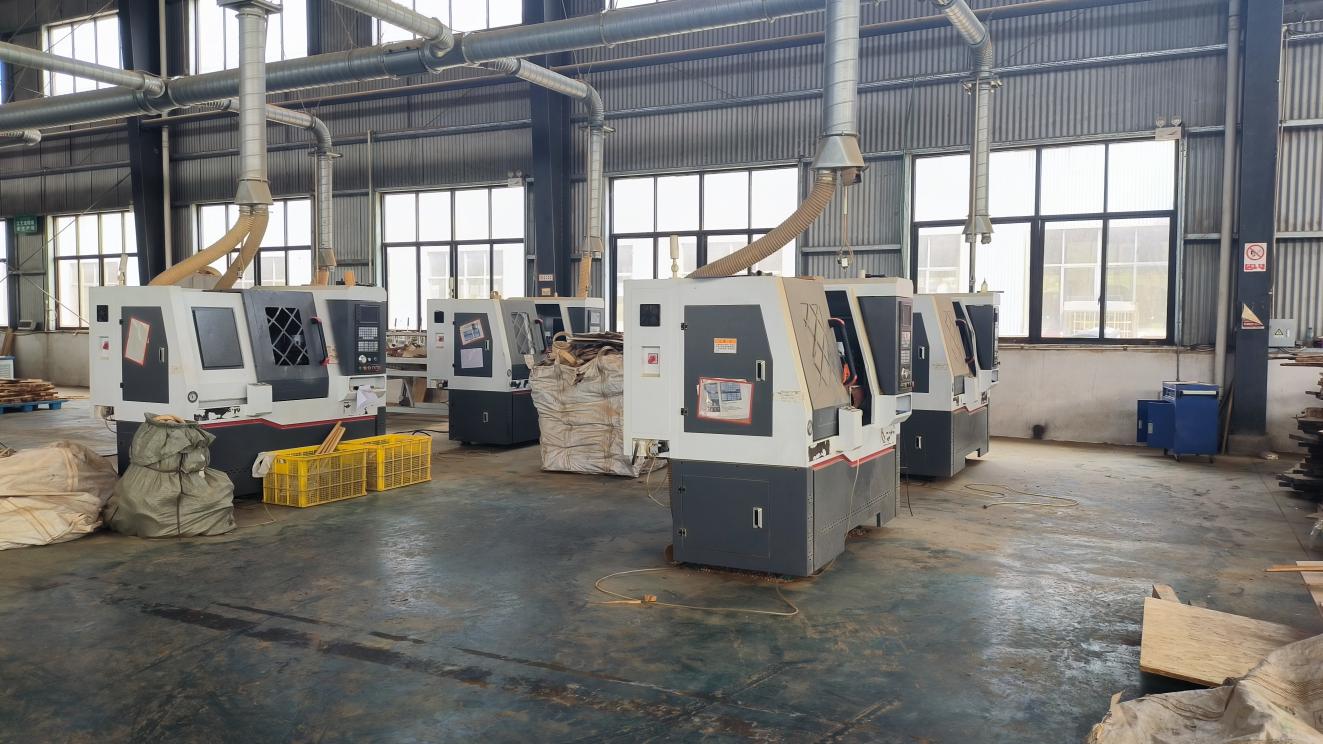
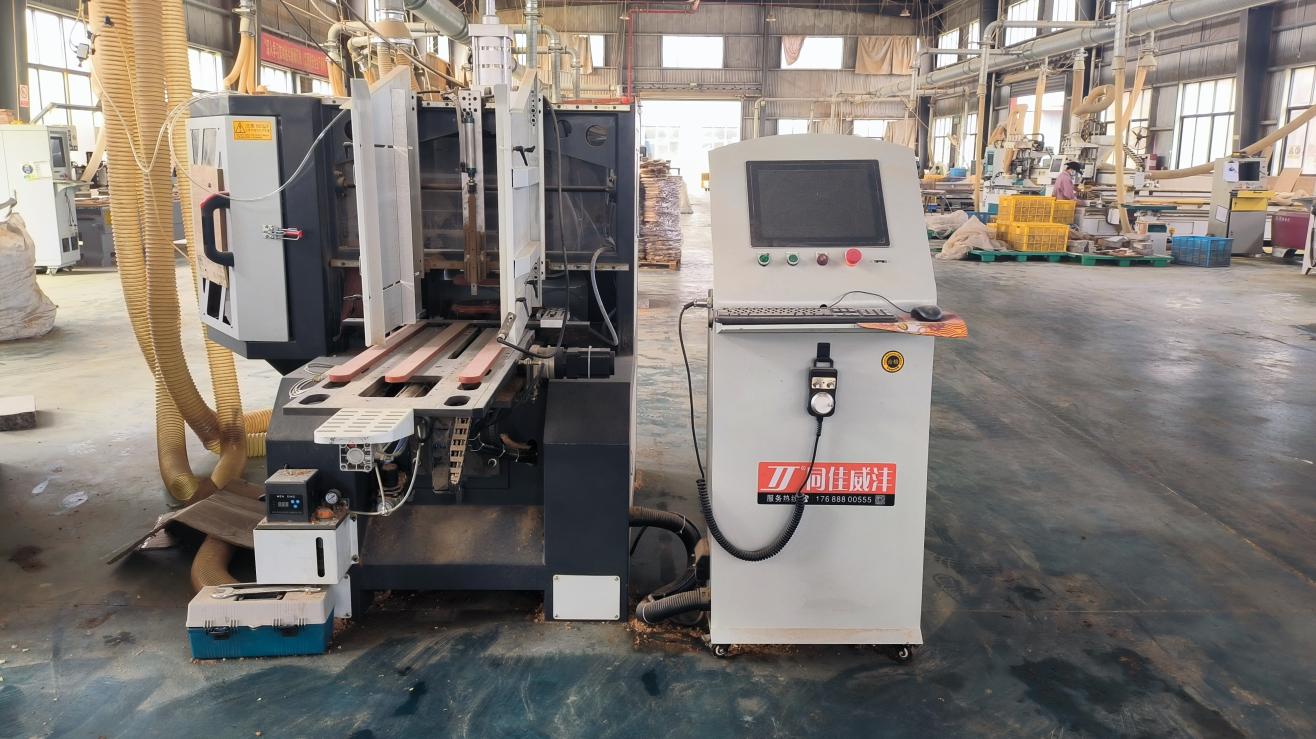
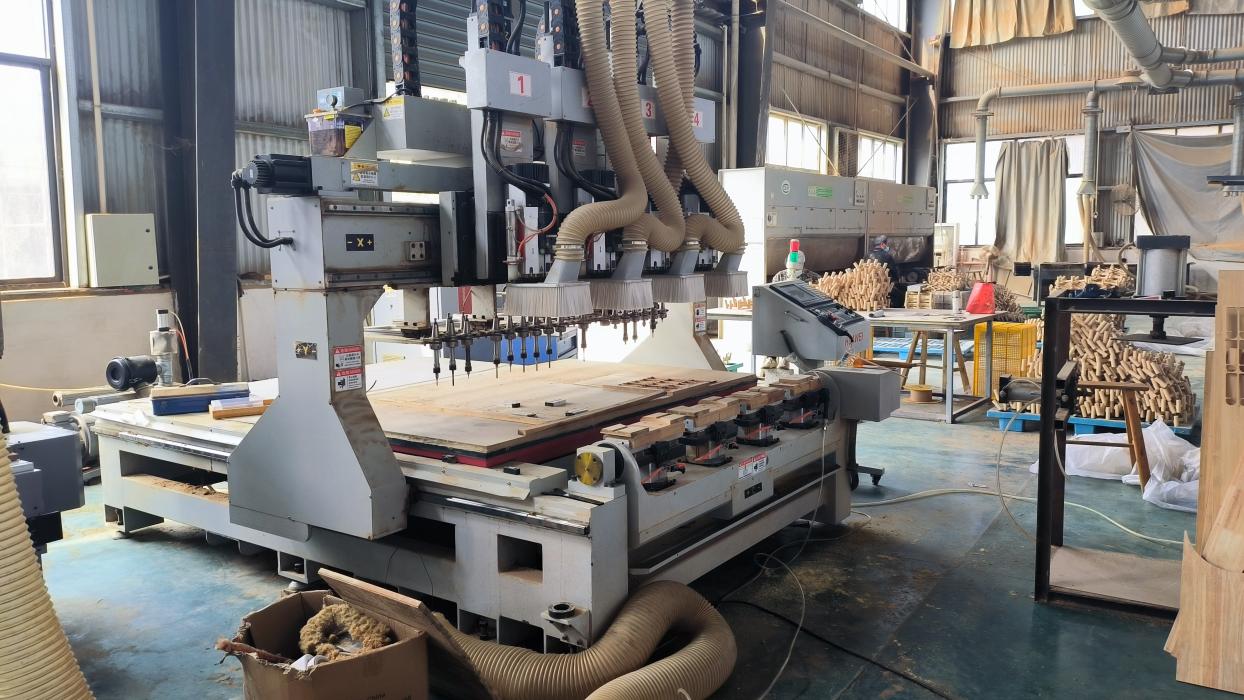
A key requirement for hospitality brands and food-packaging distributors is customization. We offer OEM/ODM services, including custom sizes, specialized shapes, and surface branding to support brand identity. Our printing workshops feature laser engraving, pad printing, and hot stamping machines to apply brand logos cleanly and durably onto natural wood or spun bamboo surfaces.
For custom packaging, we support retail window boxes, bulk compostable heat-sealed shrink wrapping, and recycled kraft outer boxes. These packaging options can be tailored with barcodes, warehouse tracking labels, and shipping markings to align with the logistical requirements of major distribution hubs in Australia.
Additionally, we coordinate sea freight shipping to key Australian ports, including Sydney, Melbourne, Brisbane, and Fremantle. Working with logistics partners, we ensure all necessary customs documentations, biosecurity certifications, and bills of lading are prepared to facilitate smooth import clearance.
Insights on regulatory compliance, product durability, and bulk shipping procedures for commercial importers in Australia.
Select from our range of custom-designed, eco-friendly bamboo containers for retail distributions, gift packaging, and catering applications.
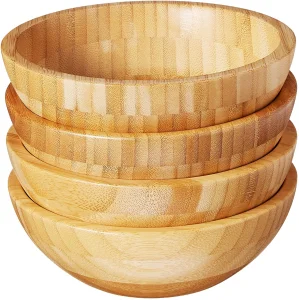
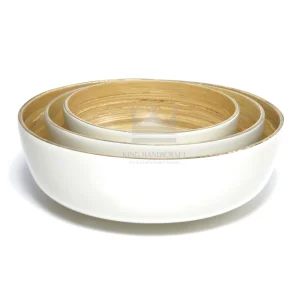
Partner with Shandong Ghella Kitchen Co., Ltd. for direct factory pricing, certified biosecurity clearance, and custom branding tailored to your brand's requirements.
Send Inquiry Now Ghella Kitchen