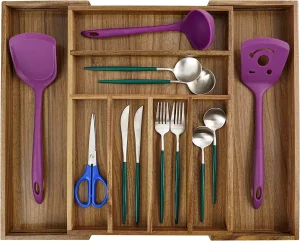
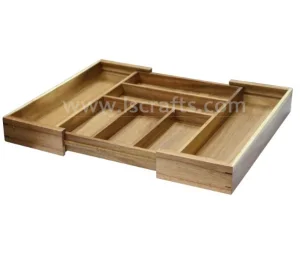
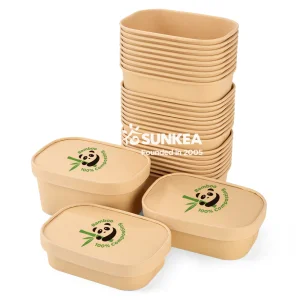
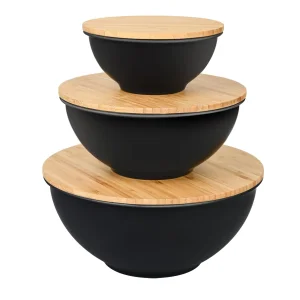
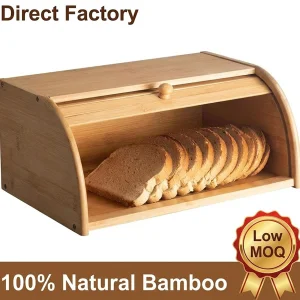
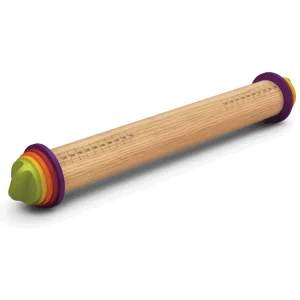
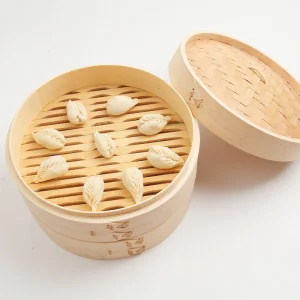
Premium OEM/ODM customizable bamboo items featuring carbonized wood, food-safe finishes, and structural longevity.
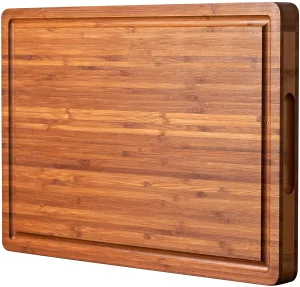
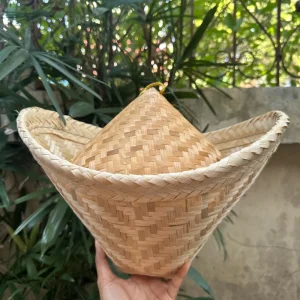
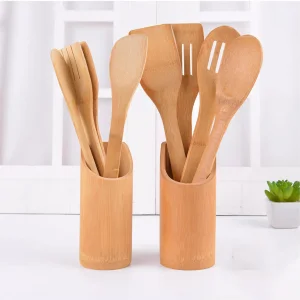
Expert insights on evaluating manufacturing capabilities, compliance certifications, and material longevity.
In the wake of strict zero-plastic regulations in the EU and North America, global cosmetic giants and retail distributors are aggressively shifting procurement pipelines away from fossil fuel plastic hair claws, combs, and pins. Bamboo (specifically Phyllostachys edulis / Moso Bamboo) stands as the premier substitute. Its rapid growth cycle (reaching harvest maturity in 3-5 years) paired with natural antimicrobial agents makes it highly durable and sustainable for daily use. However, selecting a tier-one factory requires mapping out production accuracy, anti-fungal carbonization chambers, and mechanical structural strength.
When curating the top 10 bamboo hair accessory manufacturers, several critical indicators of E-E-A-T (Experience, Expertise, Authoritativeness, and Trustworthiness) must be satisfied. A high-performing manufacturing hub does not simply cut raw timber; it employs specialized carbonization to control humidity to between 8%-12%—preventing splitting during transoceanic shipping—and relies on automated precision CNC carving for smooth teeth and ergonomic grips.
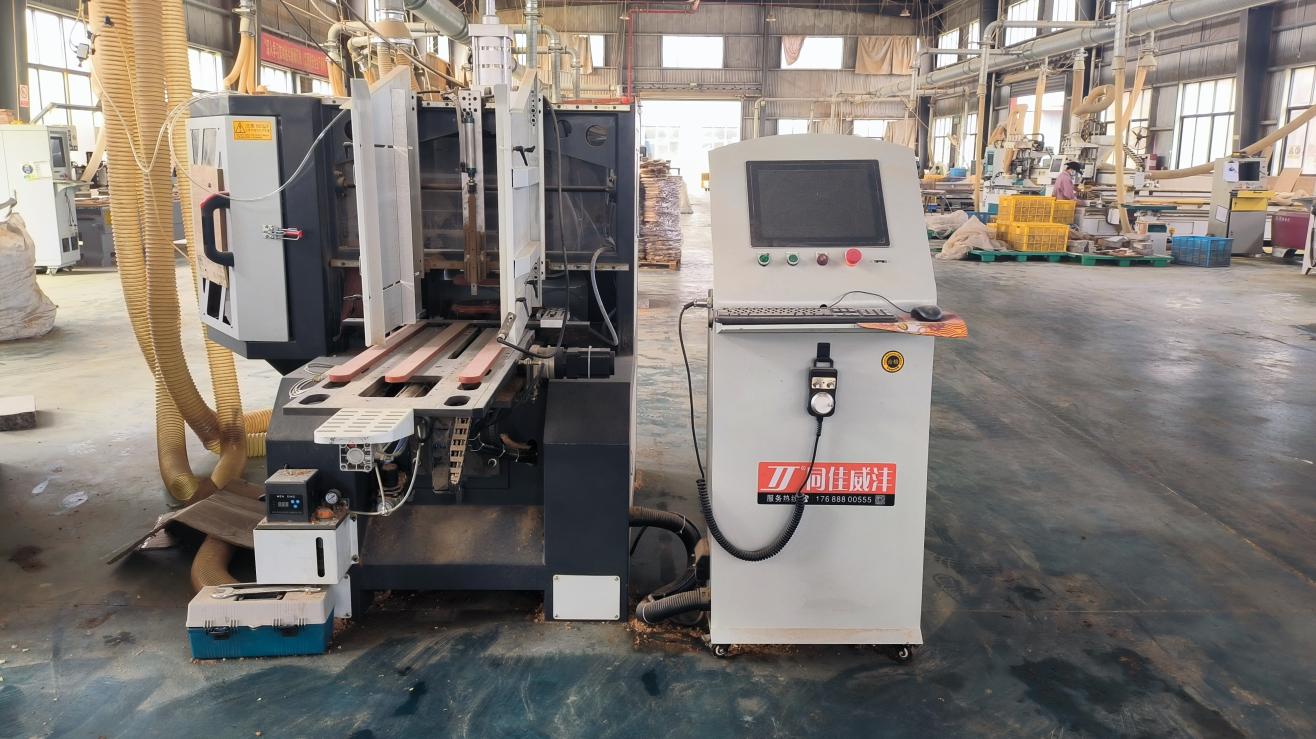
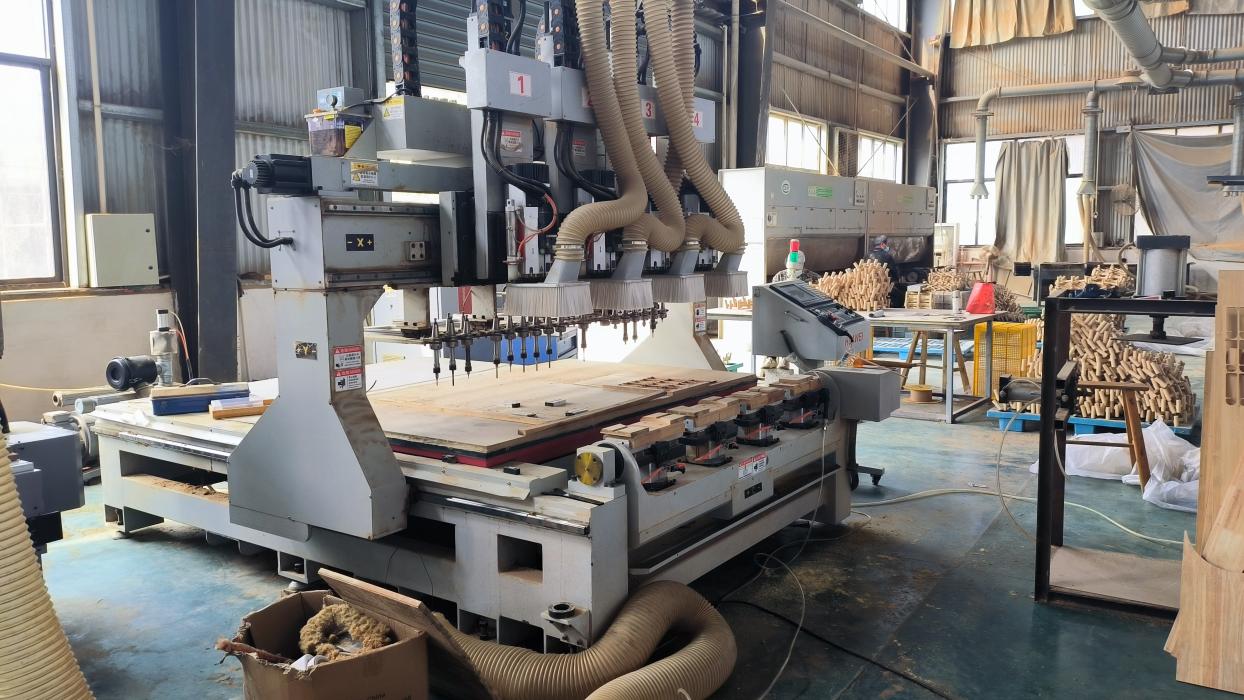
Showcasing advanced industrial wood-crafting, automatic molding, and high-efficiency production pipelines.
Shandong Ghella Kitchen Co., Ltd. is a leading professional manufacturer specializing in premium kitchenware, household items, and eco-friendly personal accessories in China. Since its establishment in 2017, the company has committed to supplying high-quality, sustainable bamboo solutions to demanding global markets. With a stable raw material supply base, Ghella Kitchen guarantees both sufficient production volume and strict quality control from raw harvest to final packaged goods.
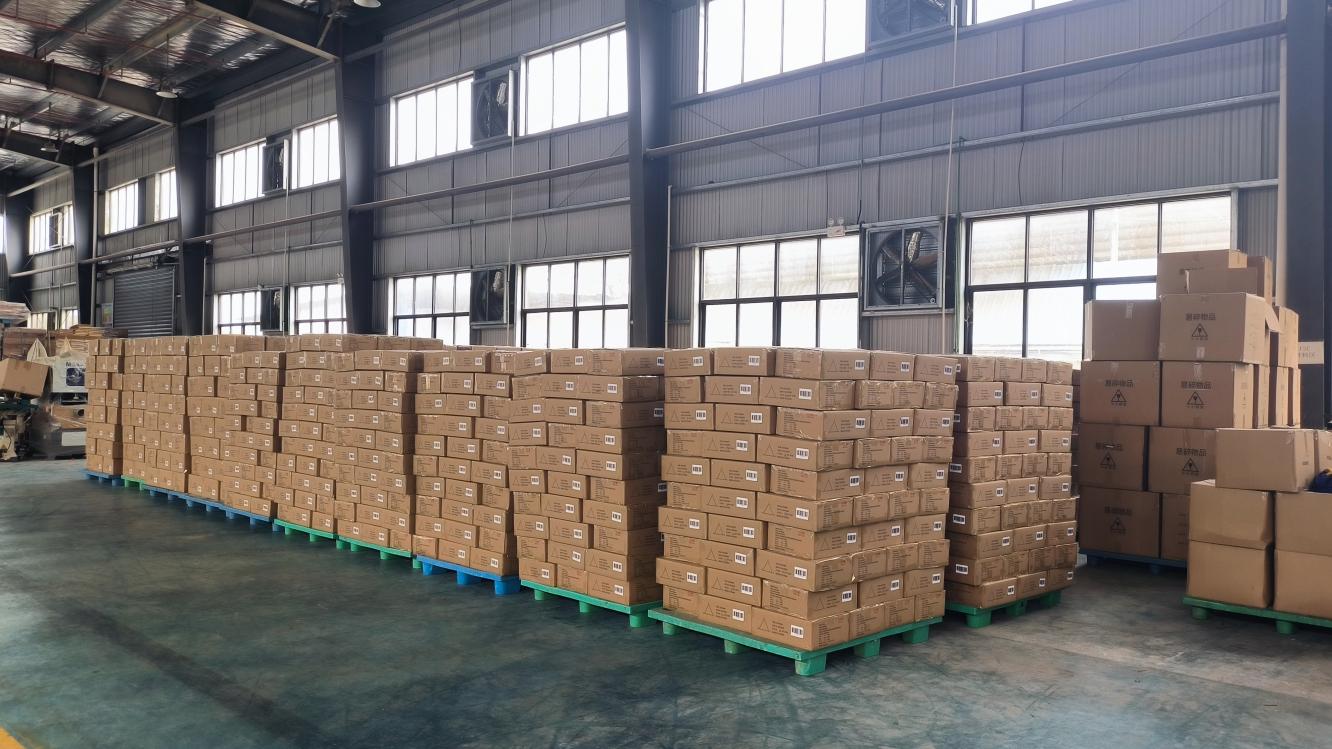
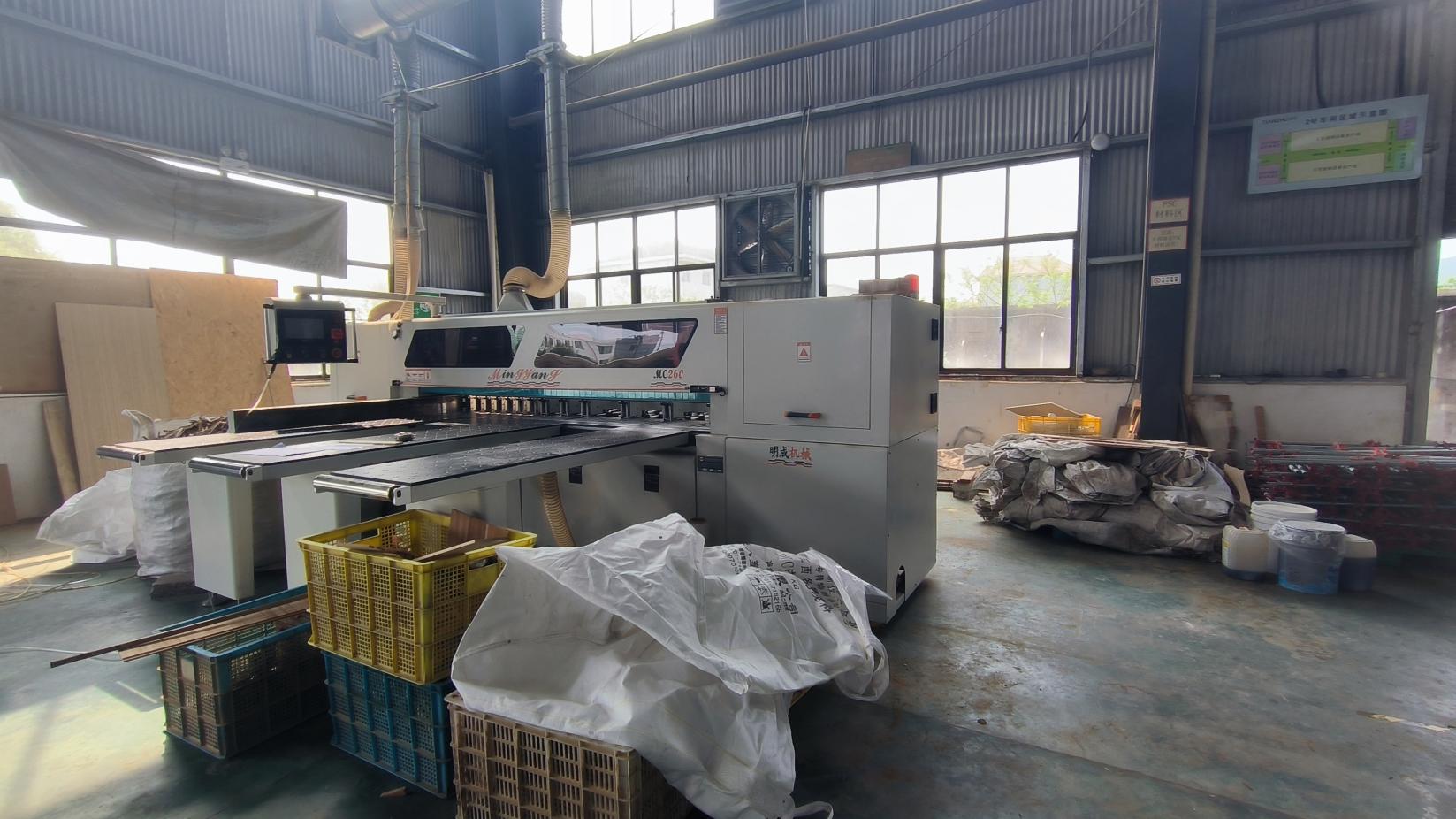
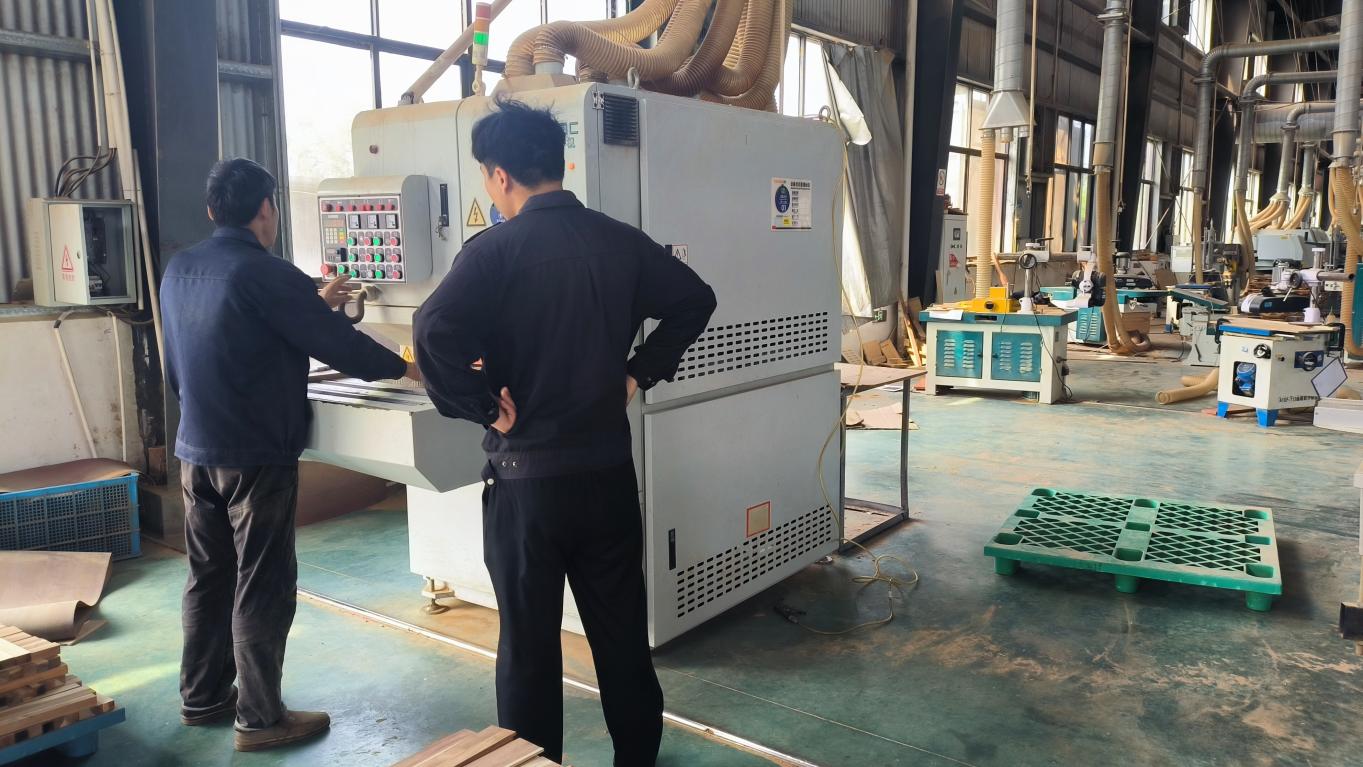
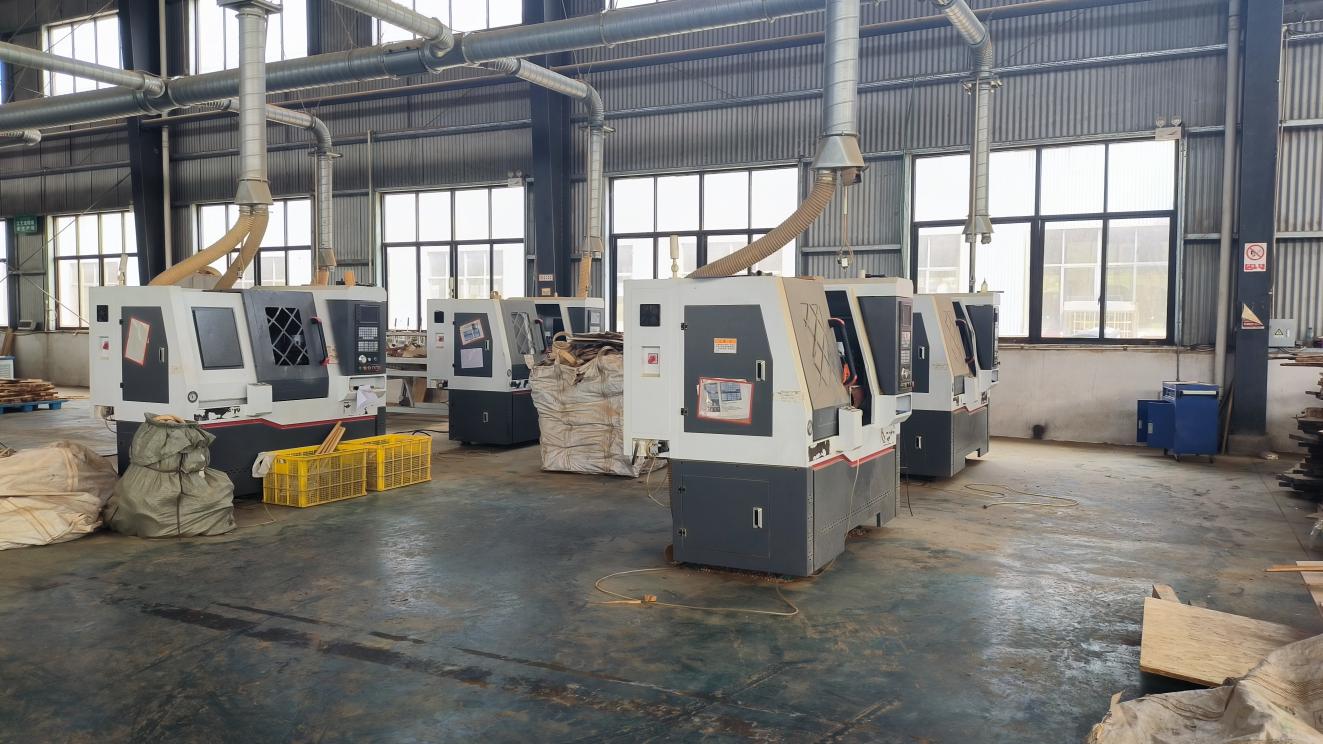
Utilizing high-end production technology alongside an experienced engineering and technical team, our operations are optimized to handle complex designs. We offer extensive custom laser engraving, pad printing, and heat stamping on our bamboo lines, including accessories, utensils, cutting blocks, and storage. The manufacturing footprint utilizes state-of-the-art machinery shown below:
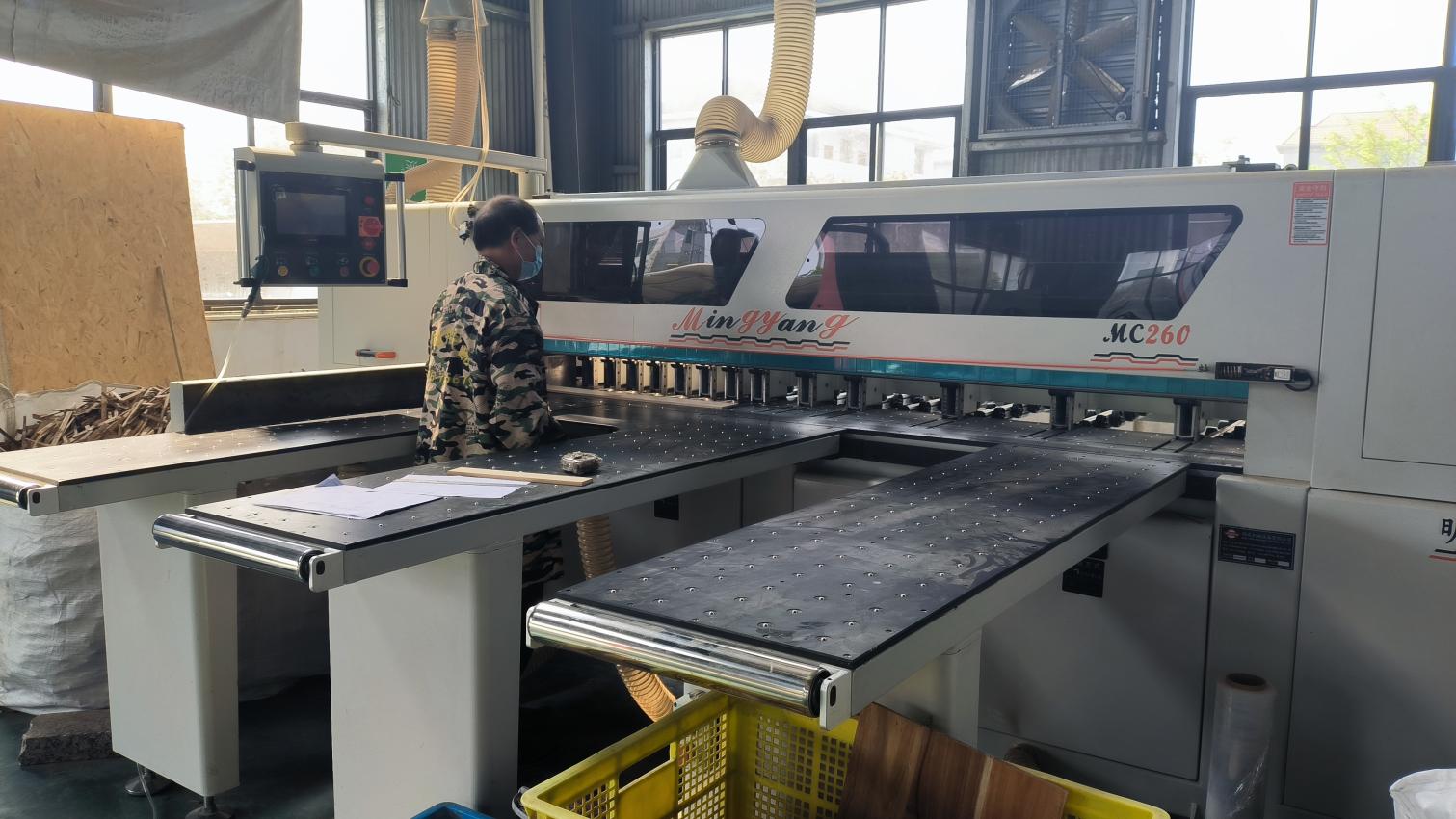
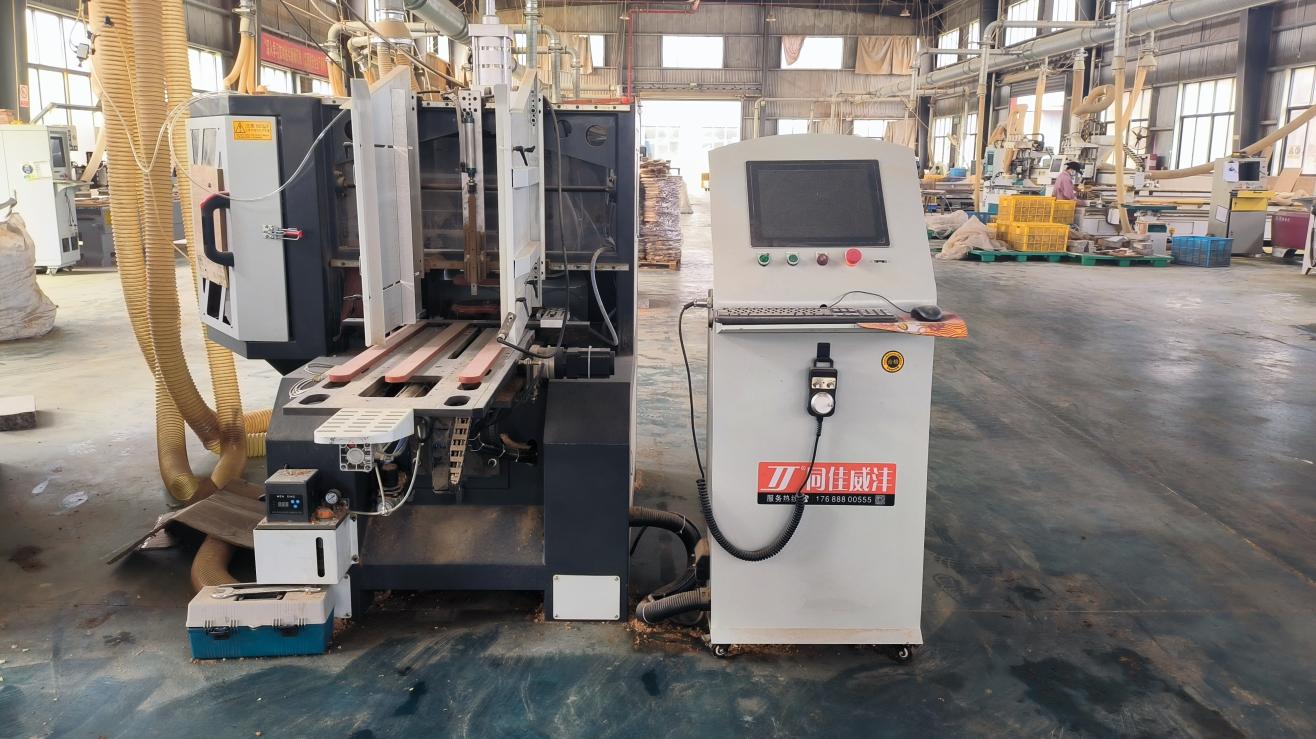
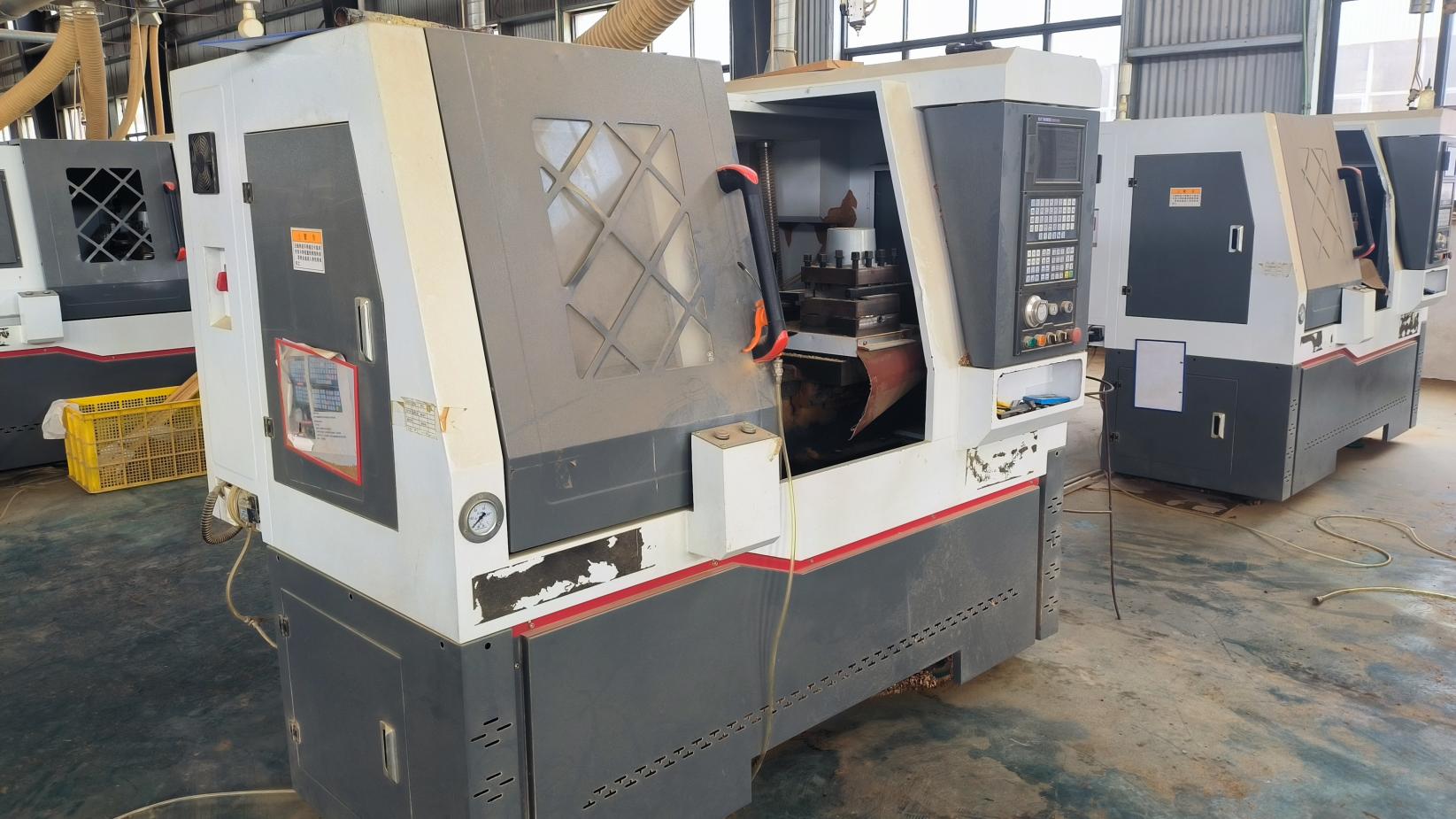
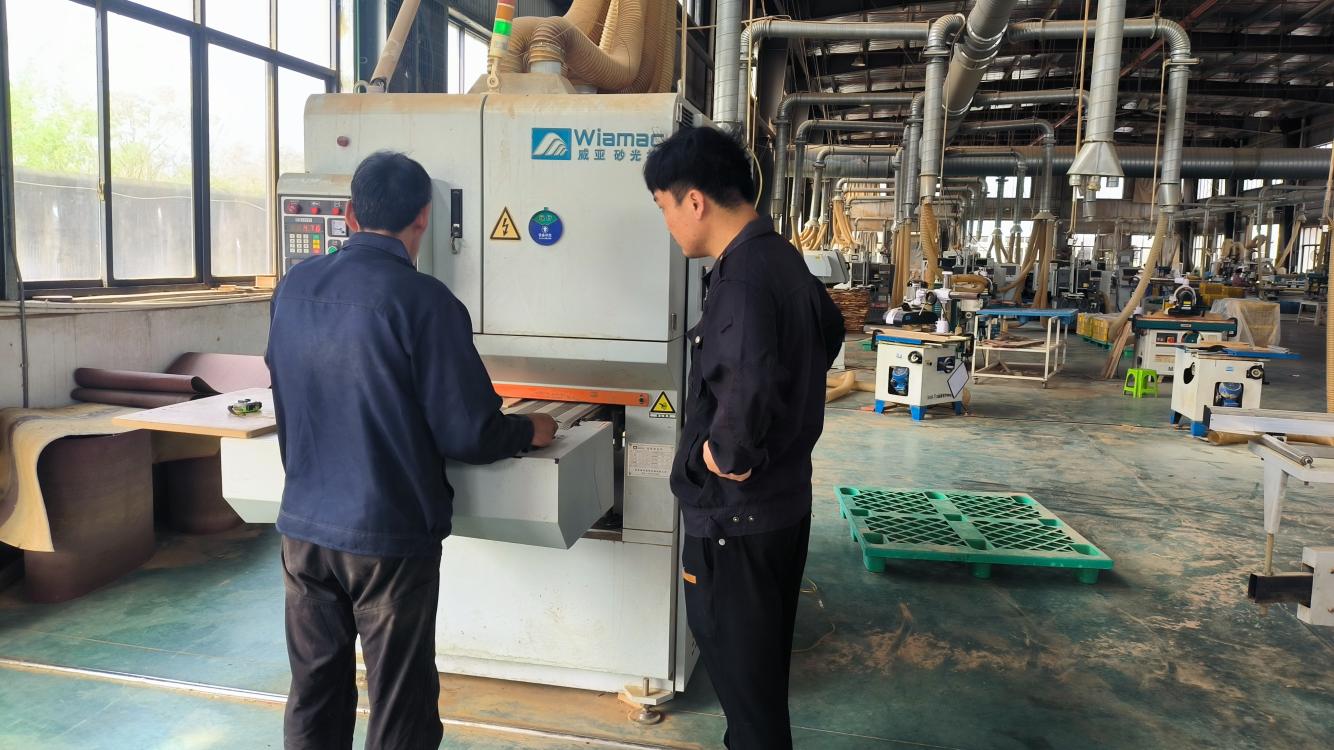
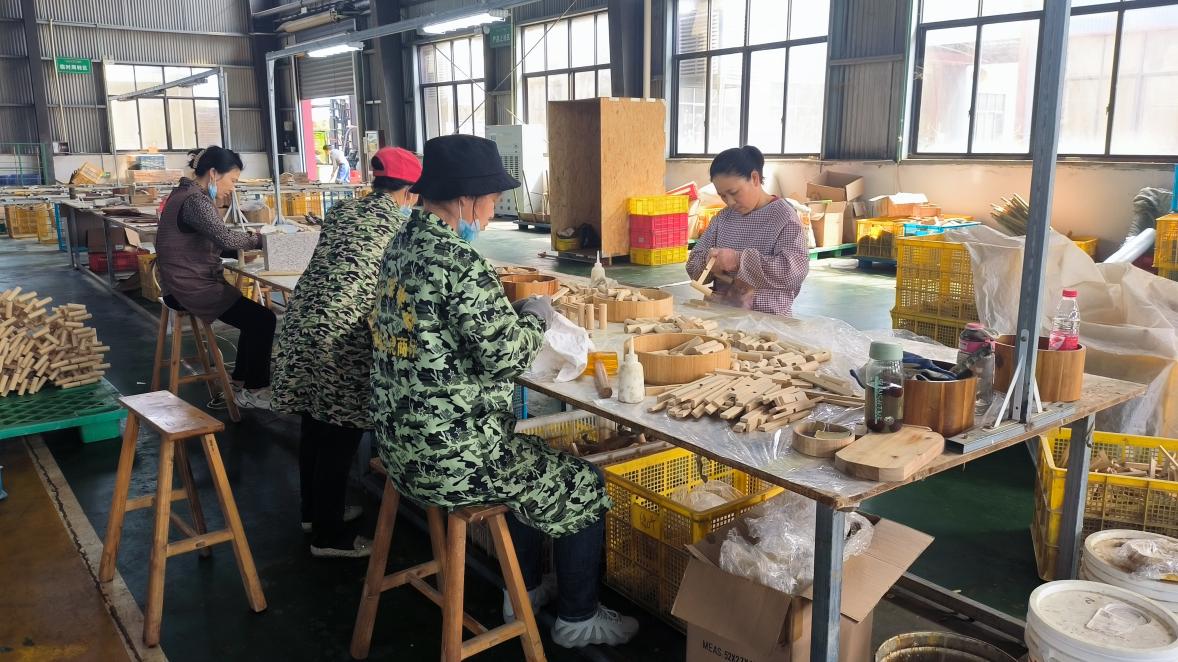
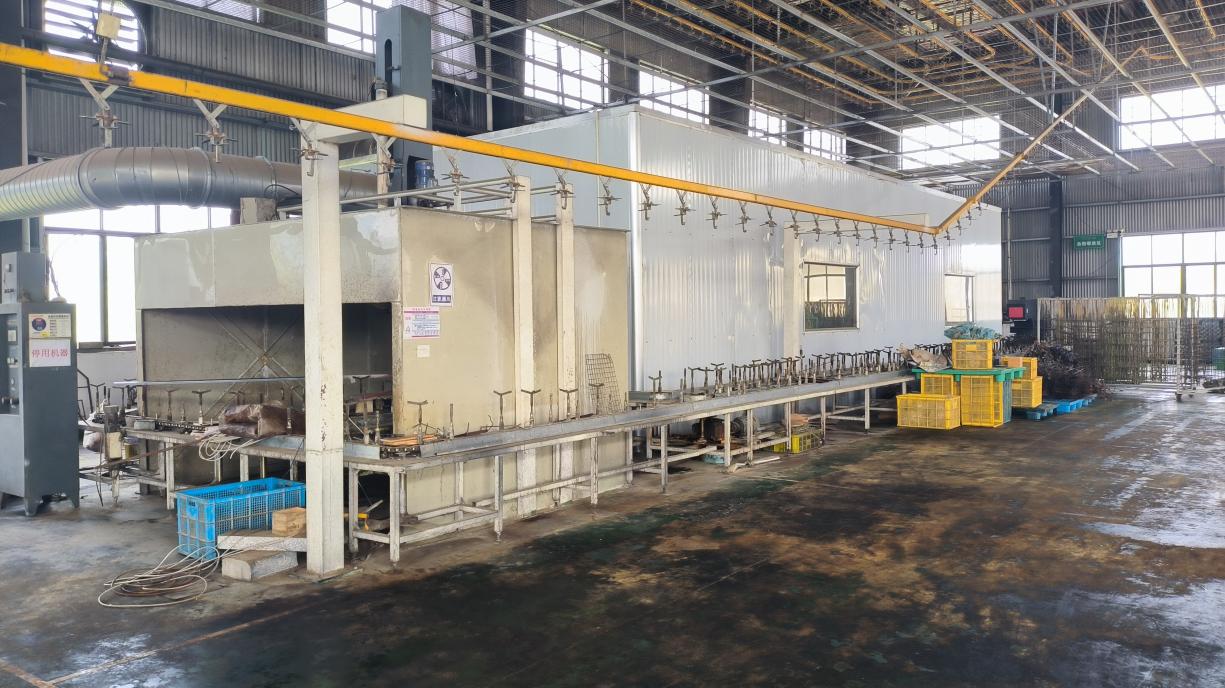
Sourcing directors must carefully evaluate key regulatory standards when importing bamboo items to ensure compliance and avoid customs issues:
Ensures that the raw bamboo feedstock originates from responsibly managed forests, tracking custody transparently from harvest to retail shelves.
Crucial for products contacting skin or food. Raw material treatments must exclude toxic formaldehydes or heavy-metal pigments.
Guarantees clean workspace standards, ethical worker treatment, and fair wages, defending brand reputation against ethical supply chain risks.
China supplies over 80% of the world's commercial bamboo products. This concentrated market leadership is driven by massive, managed Moso bamboo forests and specialized local manufacturing clusters in regions like Shandong and Fujian. The benefits of sourcing from integrated Chinese facilities go beyond raw materials:
Sustainable sourcing requirements vary significantly depending on the business sector:
The market for bamboo accessories is shifting toward zero-waste designs. Traditional plastic handles and synthetic fibers are being replaced by bio-based solutions, such as wild boar bristles, sisal fibers, and natural rubber cushioning in hairbrushes. Sourcing managers should watch for these key industry trends:
Modern bamboo items are widely used across diverse commercial settings:
Expert insights to help sourcing managers navigate manufacturing timelines, quality checks, and shipping logistics.
Top manufacturers dry raw bamboo in high-temperature carbonization kilns to lower its moisture level to 8%-12%. Once dried, the wood is sealed with water-resistant, food-grade finishes. Silicagel desiccant packs are also placed in the shipping boxes to absorb any ambient moisture during transit.
Yes. Established factories use high-speed laser engraving, pad printing, and hot stamping to apply custom logos. Laser engraving is the most popular choice as it does not require any chemical inks, keeping the product 100% organic.
Minimum order quantities usually range between 1,000 and 3,000 units per style for customized products. For standard, off-the-shelf items, MOQs can be as low as 500 units depending on the factory's inventory.
Yes, untreated or natural oil-treated bamboo items are fully biodegradable and compostable. However, if a product uses metal springs (like hair claws) or synthetic adhesives, these parts must be separated before composting.
Importers should look for FSC certification to verify sustainable sourcing, along with REACH and FDA-approved food-safe finishes. Social compliance audits like BSCI or SMETA are also highly recommended to ensure ethical factory conditions.
Standard production times range from 30 to 45 days after deposit confirmation and sample approval. This timeline can vary based on design complexity and seasonal demand for raw materials.
Premium OEM/ODM customizable bamboo items featuring carbonized wood, food-safe finishes, and structural longevity.
 Ghella Kitchen