Explore our premium range of sustainably sourced bamboo and wooden products designed for global food-contact safety standards.
For modern retail brands, corporate gifts partners, and fast-moving consumer goods (FMCG) conglomerates, transitioning away from single-use plastics is no longer a marketing choice—it is a regulatory and financial imperative. As governments globally enact stringent bans on non-recycled polymers, the Bamboo Travel Mug has emerged as the leading alternative. However, finding the right factory requires navigating a matrix of material classifications, chemical bonding safety, and certification pathways.
By conducting field audits across major manufacturing clusters in Asia, this whitepaper evaluates the parameters that define the Top 10 Bamboo Travel Mug Factories. From basic raw processing to state-of-the-art CNC engineering and food-grade safety verification, we reveal the industrial dynamics crucial for high-volume B2B importers.
Information Gain Note: Unlike consumer-focused roundups, this guide evaluates factories on processing machinery (CNC lathes, carbonization kilns), chemical bonding metrics, and strict adherence to FDA 21 CFR and European Regulation (EU) No 10/2011 concerning food contact plastics.
Key Metric: Over 82% of premium global travel mugs now integrate natural bamboo fibers with bio-resins to satisfy the dual requirements of thermal insulation and complete plastic biodegradability.
Analyze how macro-trends, processing advancements, and B2B requirements define modern bamboo travel mug production.
Early bamboo mugs relied heavily on melamine-formaldehyde resins as binders. Today, top-tier factories utilize bio-based PLA (Polylactic Acid) and natural plant starch. This eliminates harmful chemical leaching and ensures compliance with EU-wide bans on melamine-containing plastics.
Procurement departments look for double-walled insulation models. These integrate a food-grade 304 stainless steel interior with a CNC-milled natural solid bamboo exterior, providing 12+ hours of thermal stability without compromising the eco-friendly exterior aesthetic.
Due to the Carbon Border Adjustment Mechanism (CBAM) in Europe and net-zero targets in North America, manufacturing plants with localized raw material supply chains reduce the Scope 3 carbon emissions of global consumer brands.
Before issuing a Request for Quotation (RFQ), use this structural matrix to evaluate your bamboo travel mug suppliers.
Verifying that the factory sources Moso bamboo (Phyllostachys edulis) harvested at 3-5 years. This guarantees optimal cellulose density and structural integrity.
Adequate steam treatment and kiln carbonization prevent sugar and starch decomposition, preventing mold and insect infestation during transit.
Melt-compounding lines must isolate raw materials to prevent cross-contamination with industrial-grade synthetic polymers.
Clean OEM branding relies on high-precision fiber laser markers to etch high-resolution logos directly onto the bamboo shell without charring.
Surface seals must use zero-VOC, water-based polyurethane coatings or natural food-grade wood oils to ensure complete water resistance.
Lid assemblies must incorporate premium, food-safe silicone seals and secure threads to eliminate hot liquid leakage during use.
Verification of regular third-party testing (SGS, TÜV, Intertek) for heavy metals, bisphenols, and formaldehyde migration rates.
Equipped with dust-free automatic heat-shrink wrapping machines to keep products sterile and dry during maritime transit.
A Premier Industrial Center for Advanced Bamboo, Wood, and Sustainable Tableware Production
Shandong Ghella Kitchen Co., Ltd. is a professional manufacturer specializing in kitchenware and eco-friendly tableware in China. Since its establishment in 2017, the company has been committed to providing high-quality bamboo, wood, and sustainable kitchen products to global customers. With our own stable raw material supply base, we ensure sufficient production capacity and consistent quality control from source to finished products.
Backed by advanced production technology and a strong engineering and technical team, we mainly produce a wide range of products, including bamboo whisks, bamboo skewers, chopsticks, bamboo food tongs, party decoration picks, and various specifications of bamboo and wooden tableware. Our product line continues to expand to meet the growing demand for environmentally friendly disposable and reusable kitchen solutions.
To support diversified market needs, we have established professional packaging workshops equipped with advanced machinery, such as laser engraving machines, pad printing machines, hot stamping machines, and automatic plastic sealing equipment. These facilities allow us to offer flexible customization services and fully support OEM and ODM projects according to customer requirements.
Our products are widely exported to the United States, United Kingdom, Germany, France, Italy, Japan, and various countries in the Middle East and Southeast Asia. We have built long-term partnerships with clients worldwide based on stable quality, competitive pricing, and reliable service. Guided by the business philosophy of "Quality First, Customer First, and Integrity Supreme," we continuously improve our production standards and service system. At the same time, we are actively building our own brand and strengthening innovation in eco-friendly kitchen solutions to better serve the global market.
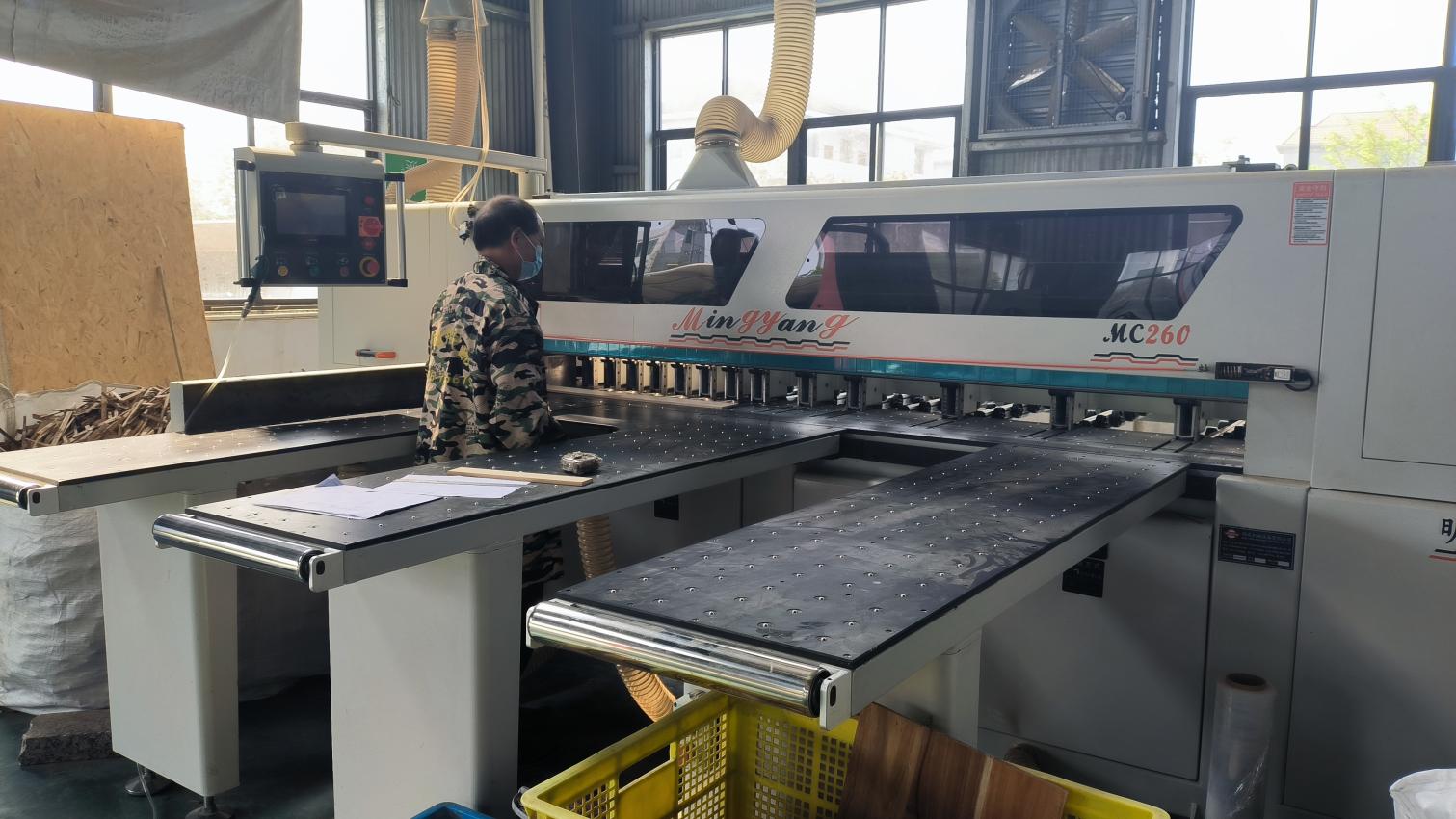
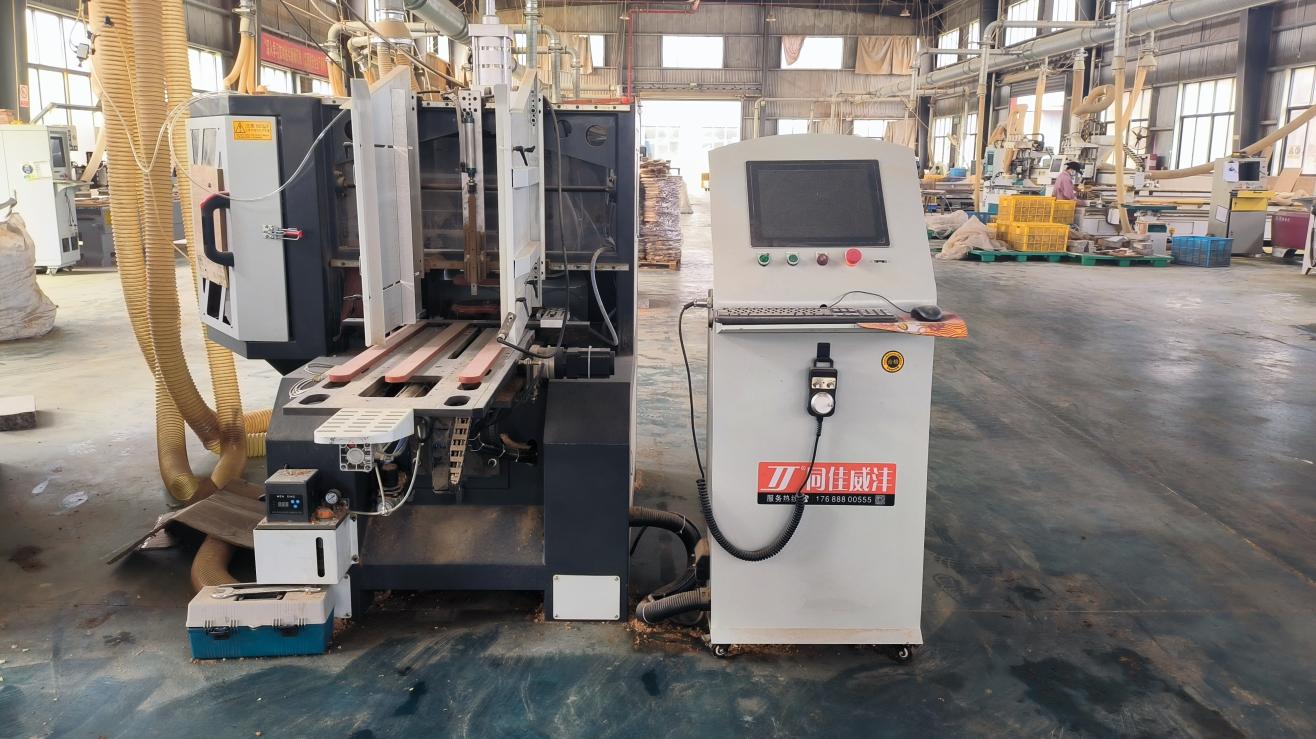
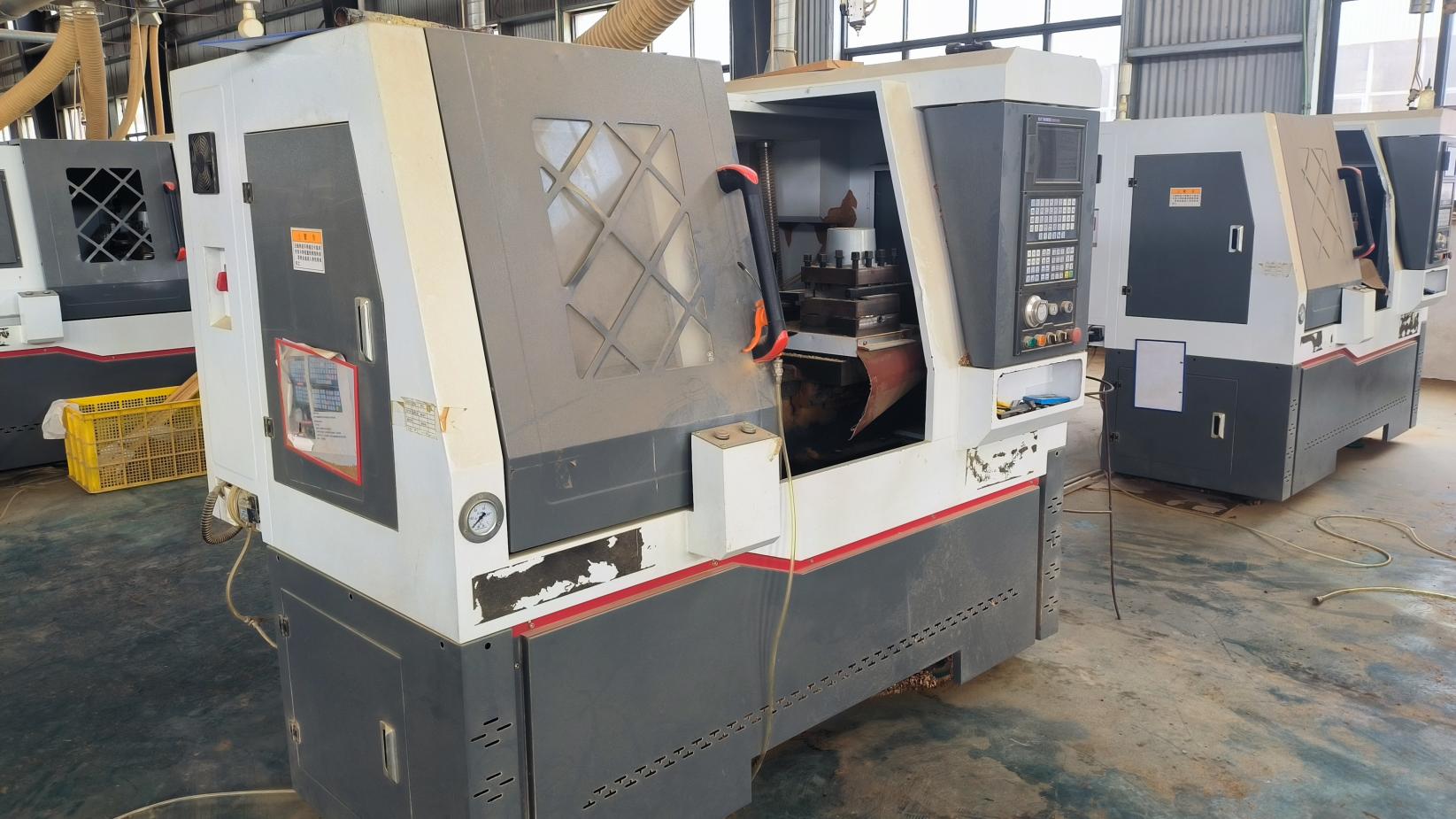
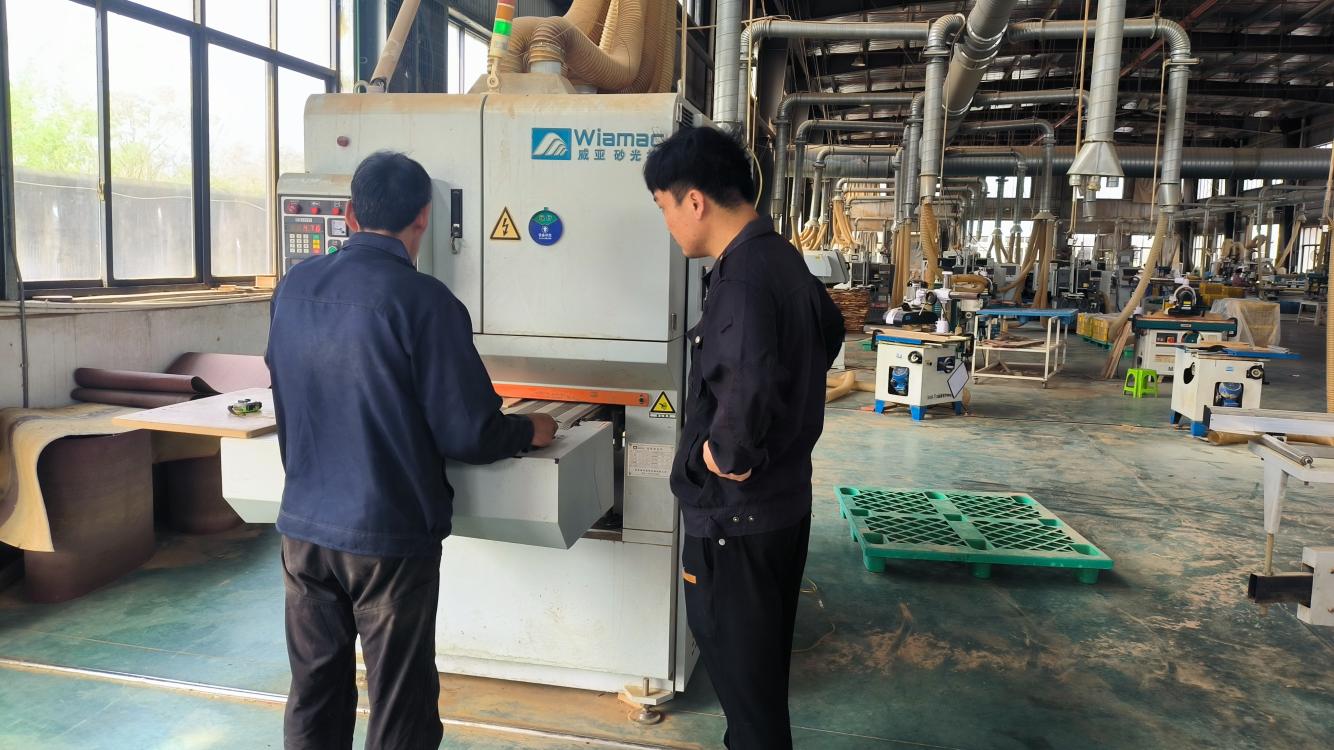
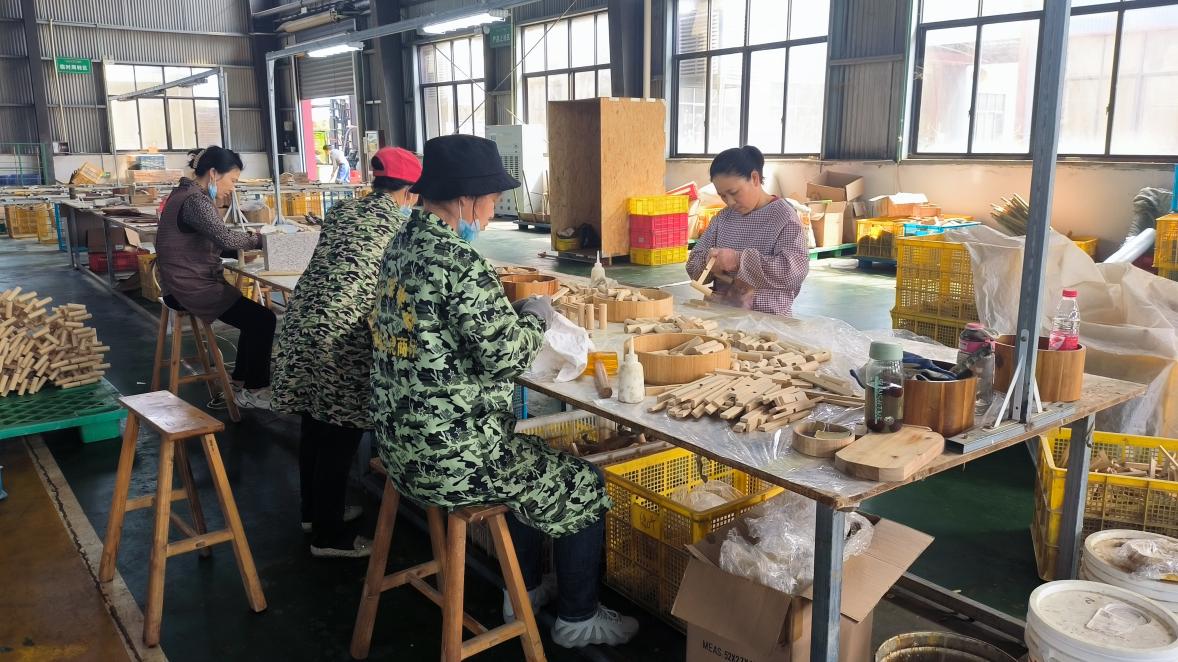
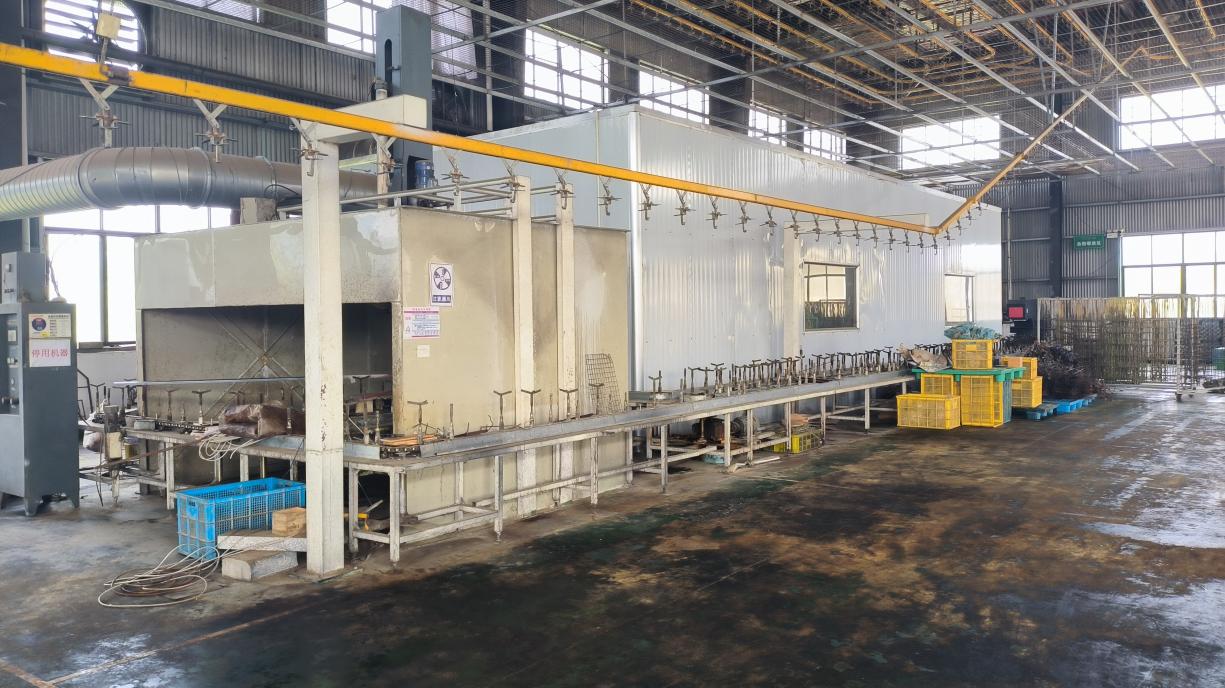
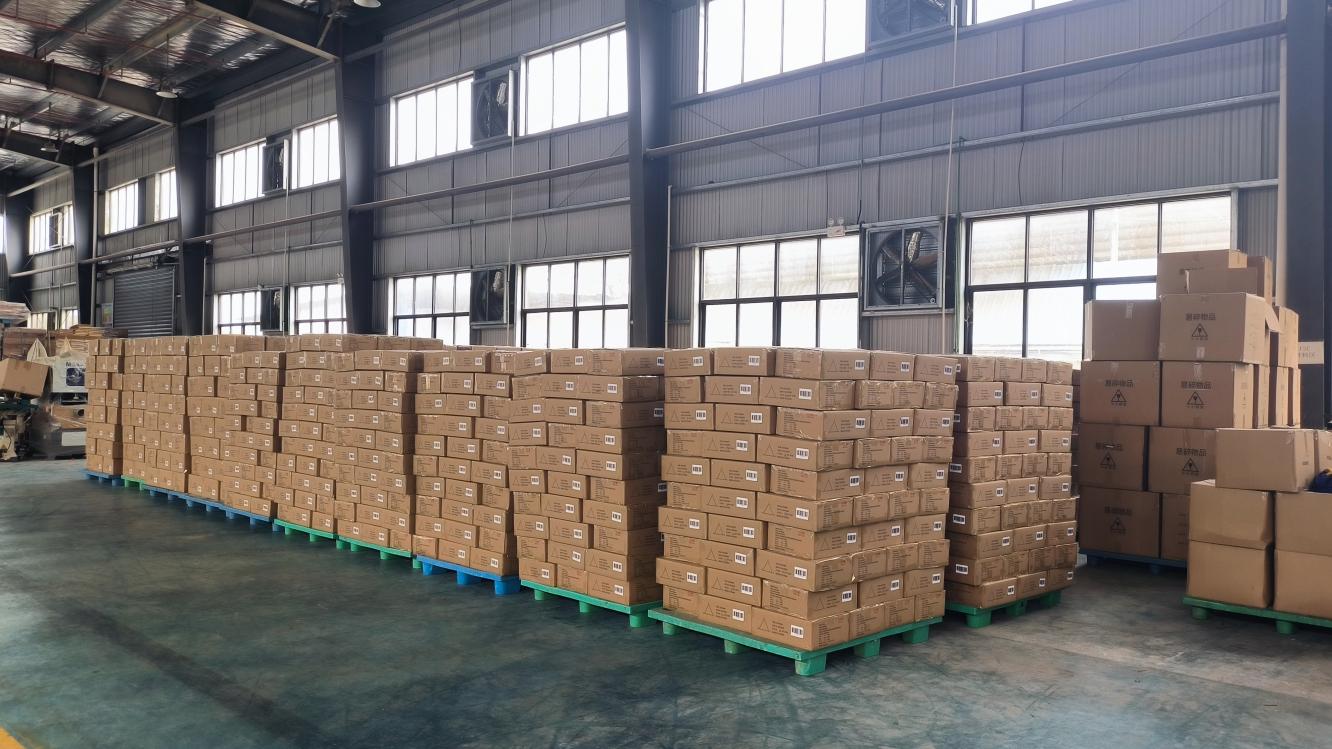
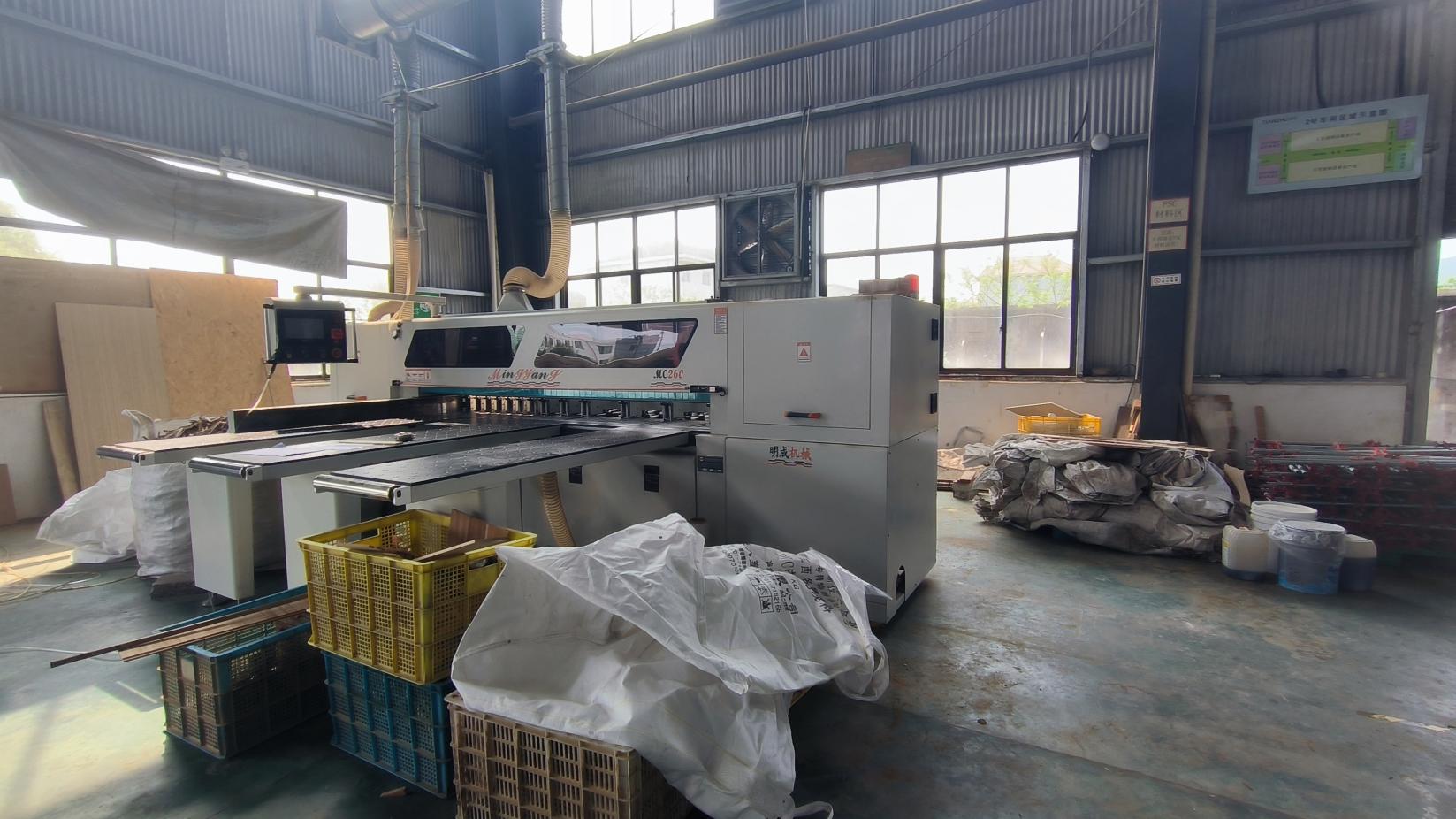
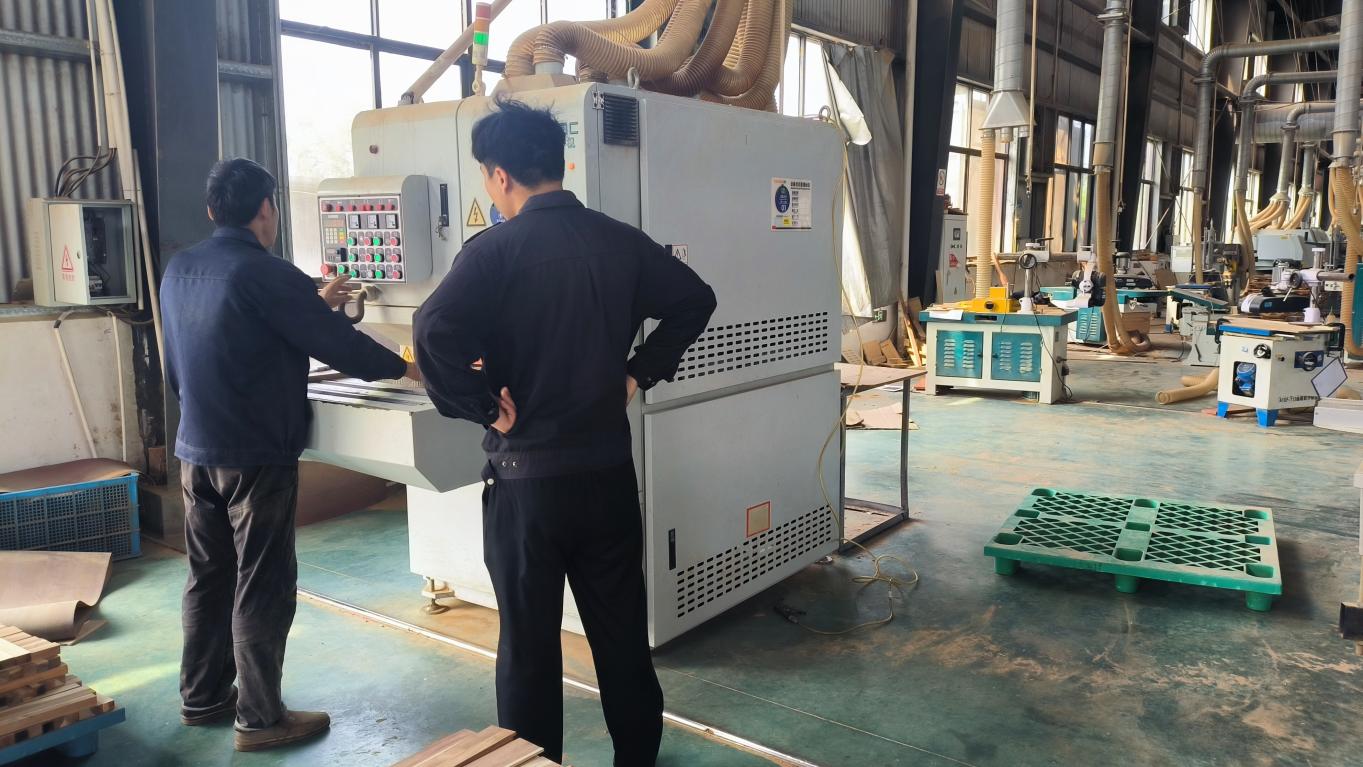
Advanced Production Capabilities: Our manufacturing plant features specialized processes from cutting to CNC machining, ensuring uniform dimensions and reliable durability. Explore our production floor steps below.
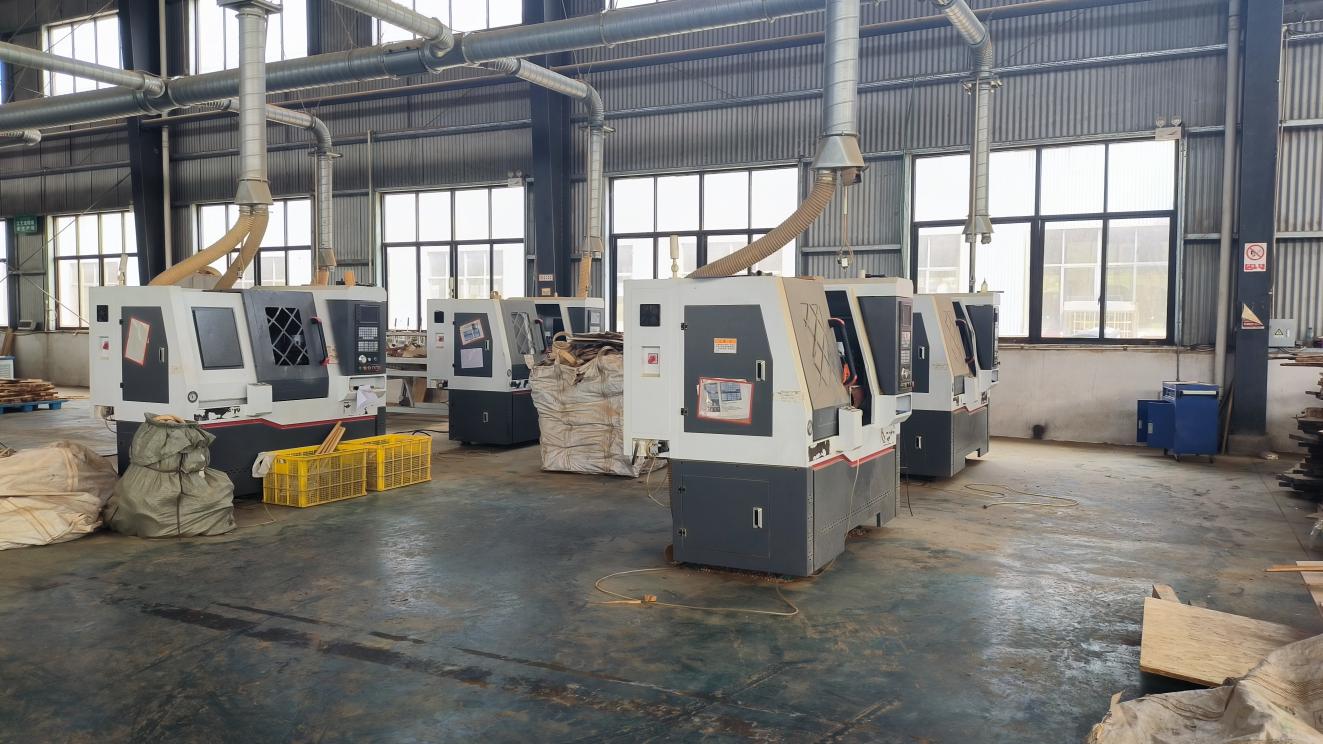
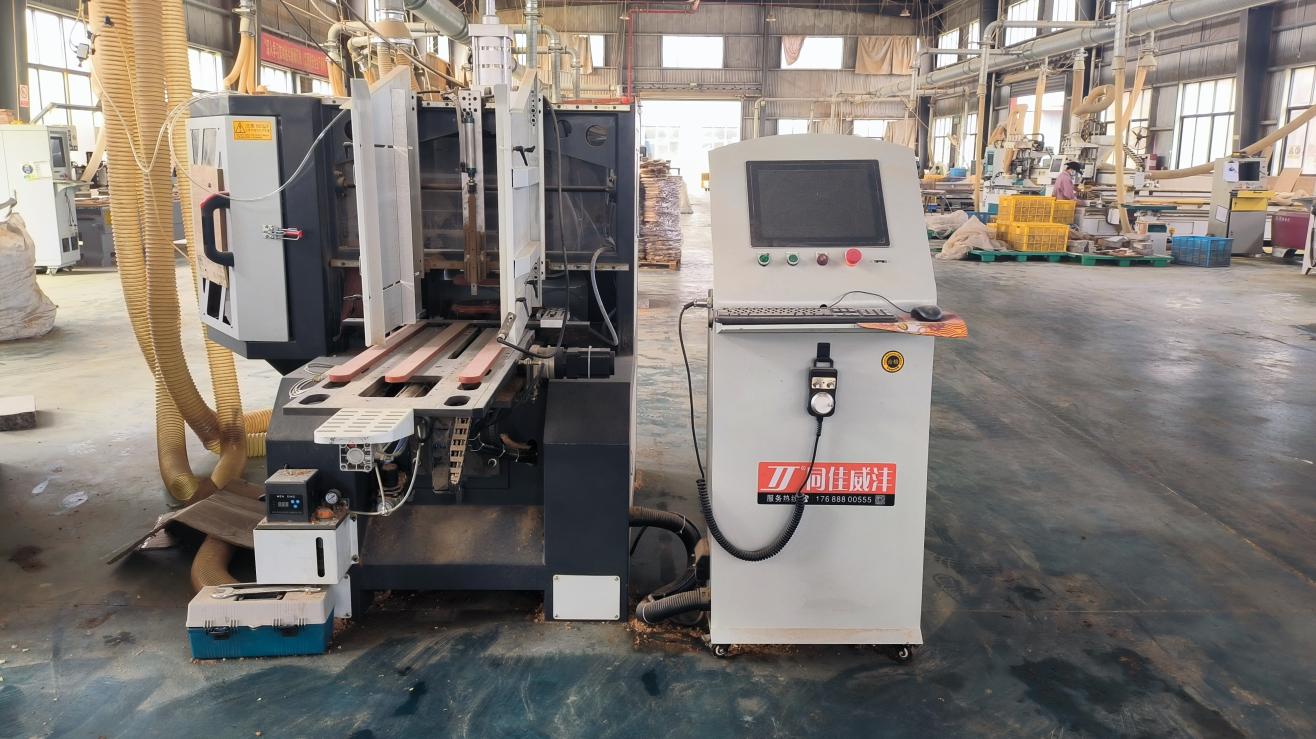
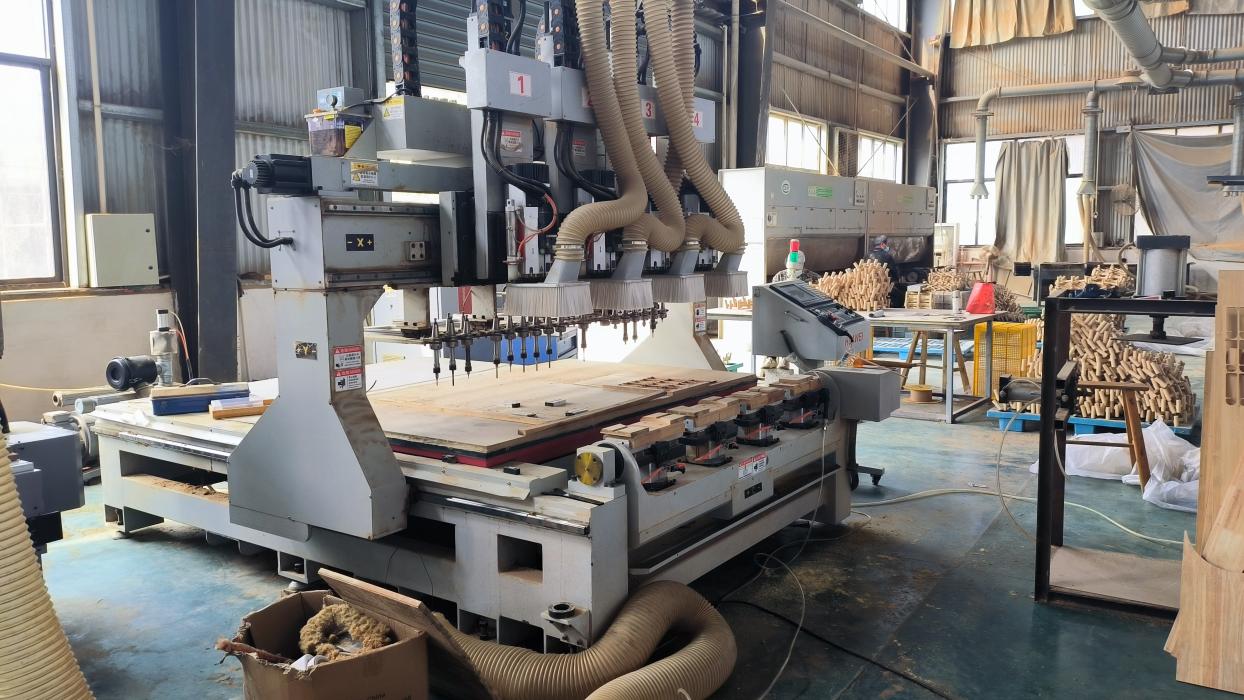
Understanding critical food-contact material (FCM) regulations to guarantee smooth importation and retail compliance.
For entry into the United States, bamboo wood and pulp fiber-based travel cups must meet FDA 21 CFR standards. Raw wood and bamboo must be properly treated to prevent moisture absorption, and any coatings or seals must be recognized as safe (GRAS). The products must also be free from dangerous concentrations of lead, cadmium, and other heavy metals.
Europe enforces some of the world's most detailed standards for food contact materials. Bamboo fiber composite drinkware containing plastics must comply with Regulation (EU) 10/2011. Since pure bamboo powder mixed with melamine is restricted in several EU countries, importers are transitioning to solid turned bamboo designs with metal inserts, or fully bio-based PLA mixtures verified by LFGB testing.
In addition to product chemical safety, top factories must prove their sustainability claims. Standard certifications include: FSC (Forest Stewardship Council) chain of custody certification, which verifies that the bamboo is harvested from responsibly managed forests; BSCI (Business Social Compliance Initiative) or SMETA social audits to verify ethical labor conditions; and ISO 9001/ISO 14001 for integrated quality and environmental management systems.
How manufacturing developments will shape the market for high-volume travel mugs over the next decade.
By blending bamboo fiber with next-generation PHA (polyhydroxyalkanoates) synthesized from bacterial fermentation, future travel mugs will achieve full marine-biodegradability, offering a circular life cycle.
Moving away from traditional inks and dyes, factories are adopting laser texturing techniques that create tactile, slip-resistant grip patterns directly on the bamboo surface, reducing carbon emissions and chemicals during production.
Prototypes are emerging that combine double-walled bamboo sleeves with vacuum-sealed smart lids featuring integrated temperature sensors and LED displays powered by kinetic heat movement.
Essential guidance for purchasing agents and supply chain managers sourcing eco-friendly tableware and travel mugs.
Complete your sourcing portfolio with our selection of sustainable baking and food preparation equipment.
 Ghella Kitchen