In the contemporary B2B packaging and housewares sectors, the shift toward ecological sustainability has progressed from a secondary marketing advantage to a primary operational necessity. Globally, corporate procurement teams face stringent legislative updates and changing consumer preferences. Policies like the European Union's Corporate Sustainability Due Diligence Directive (CSDDD) and the United States' state-level extended producer responsibility (EPR) acts are pushing brands away from single-use plastics and high-carbon composite materials.
Within this regulatory framework, the high-quality bamboo tea box has emerged as a key solution for specialty tea brands, retail catalog buyers, and high-end hospitality suppliers. The inherent properties of bamboo—such as its rapid growth cycle, natural carbon sequestration capacity, and structural integrity—make it an ideal alternative to both plastics and slow-growing hardwoods. These features, combined with the rising demand for gourmet and loose-leaf teas, have created a strong global market for premium bamboo presentation chests and organizational systems.
As a result, leading tea exporters, premium hotels, and multi-channel retailers are redesigning their product lines to feature bamboo. Beyond its environmental benefits, bamboo offers a warm, premium tactile experience that increases perceived product value. This helps brands stand out on retail shelves and in e-commerce markets alike.
Established in 2017, Shandong Ghella Kitchen Co., Ltd. has grown into a leading manufacturer of kitchenware and eco-friendly tableware in China. Our company is dedicated to providing high-quality, sustainable bamboo and wooden products to partners worldwide. By utilizing a stable, local raw material supply base, we maintain reliable production capacity and strict quality control from the raw material stage to the finished product.
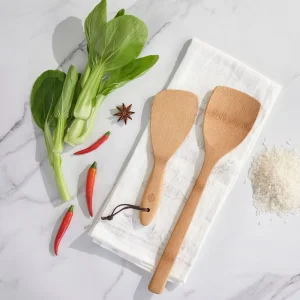
Supported by advanced production technology and a skilled engineering team, our main product lines include bamboo whisks, skewers, chopsticks, food tongs, party decoration picks, and a wide range of custom bamboo and wooden tableware. We continuously expand our catalog to meet the global demand for both disposable and reusable eco-friendly food service solutions.
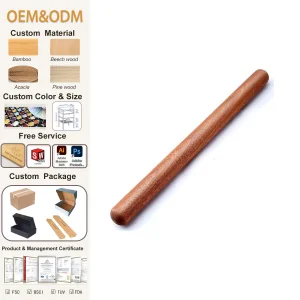
To support diverse international market needs, we operate professional packaging and customization workshops equipped with advanced machinery. Our facility features high-precision laser engraving machines, pad printing systems, hot stamping equipment, and automatic plastic sealing lines. These resources allow us to offer flexible OEM and ODM services that match our clients' exact specifications.
Our products are exported to key markets worldwide, including the United States, United Kingdom, Germany, France, Italy, Japan, the Middle East, and Southeast Asia. We have built long-term relationships with our clients by delivering stable quality, competitive pricing, and reliable support.
Guided by our business philosophy of "Quality First, Customer First, and Integrity Supreme," we continuously improve our manufacturing standards and support systems. At the same time, we focus on design innovation to deliver eco-friendly solutions that meet the requirements of the global market.
With our core values of "better products, better service," we have earned the trust of major international buyers. We invite you to contact us to discuss custom projects or to arrange a visit to our manufacturing facility in Shandong, China.
As retail chains and international hospitality groups work to reduce their environmental footprint, they face the challenge of finding eco-friendly materials that don't compromise on durability or aesthetics. Conventional plastics are subject to bans, taxes, and negative consumer perception. Meanwhile, MDF (Medium-Density Fiberboard) and other composite woods often rely on urea-formaldehyde binders, which emit VOCs and limit recyclability.
Our raw material sourcing offers a practical path forward. We source our bamboo from responsibly managed forests, providing a stable supply chain that aligns with global environmental standards. Our raw materials undergo kiln-drying and thermal carbonization processes. These steps modify the hemicellulose structure within the bamboo fibers, making the finished products highly resistant to moisture absorption, warping, and insect damage.
By using modern, computerized manufacturing, we help brands replace single-use plastic displays and low-end laminate cases with durable, food-grade bamboo alternatives. This transition helps companies meet their ESG goals while offering consumers a premium, natural product experience.
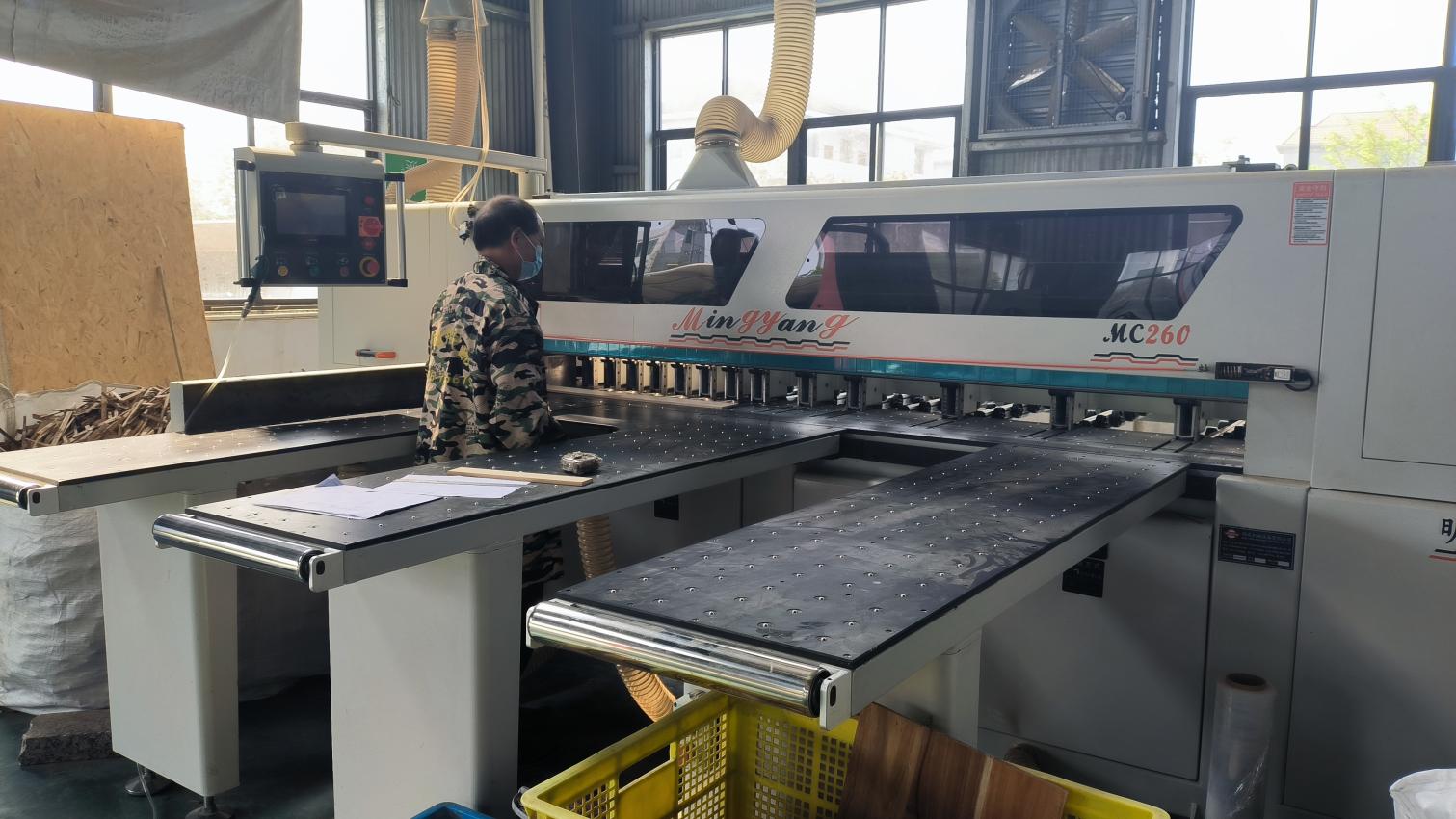
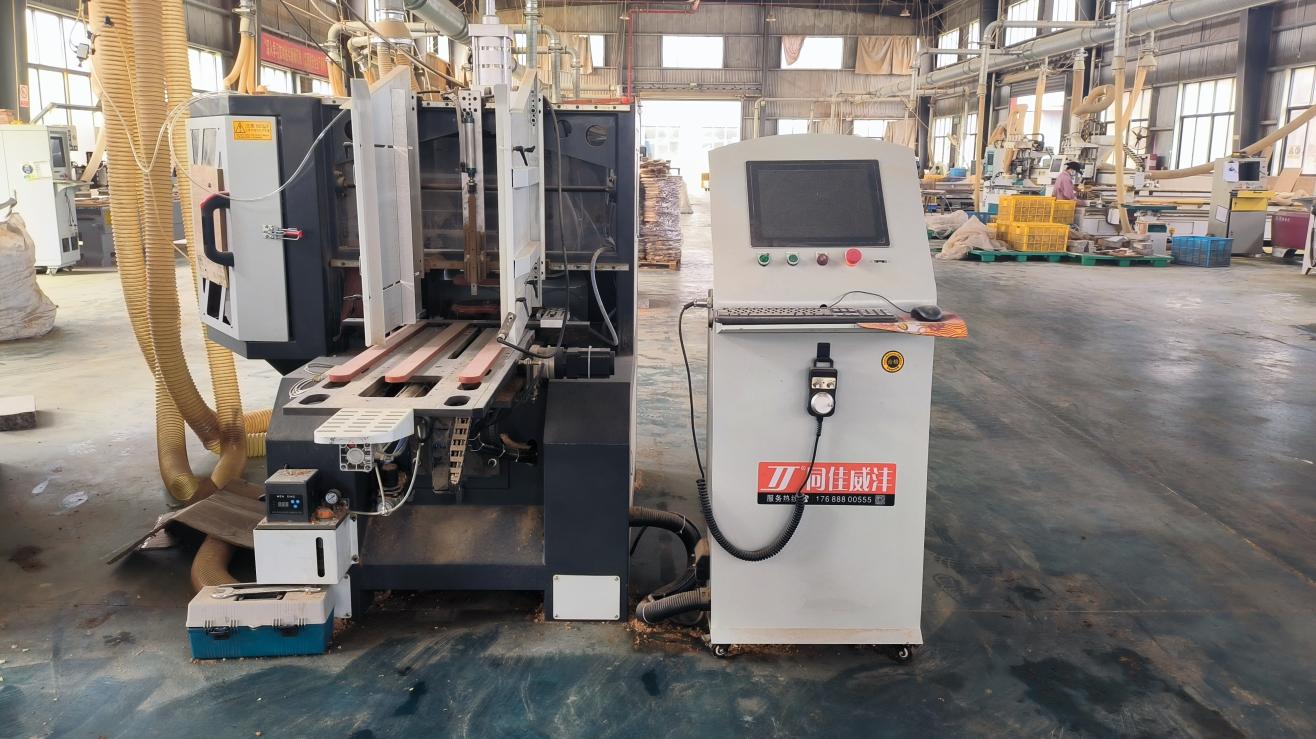
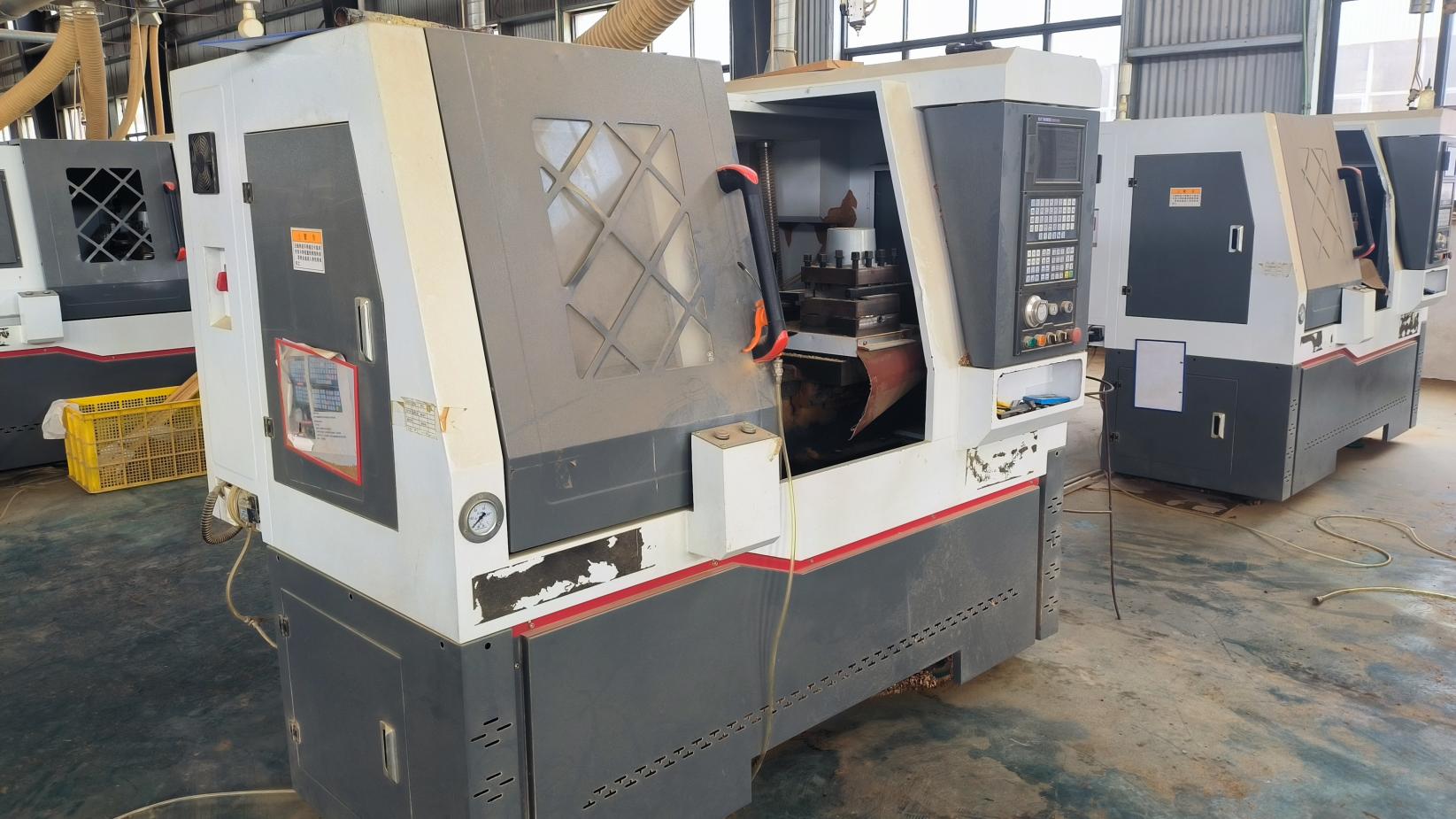
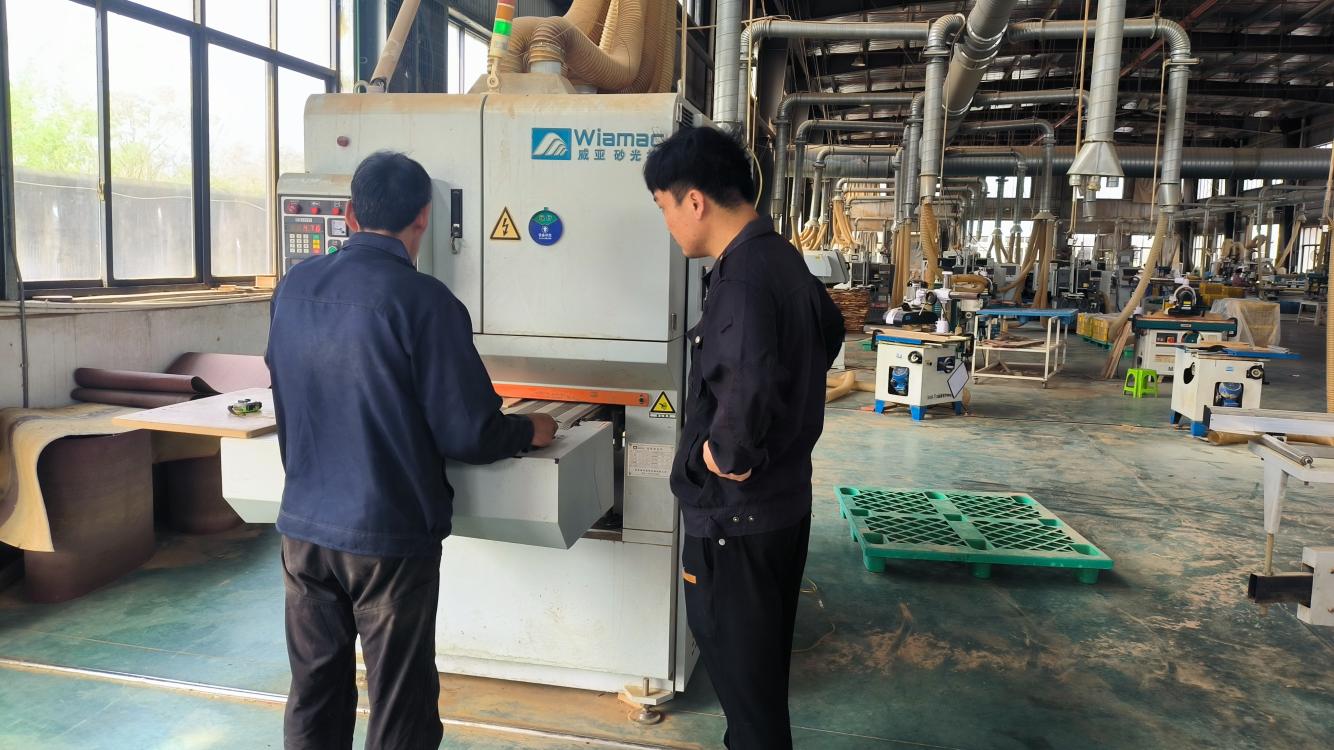
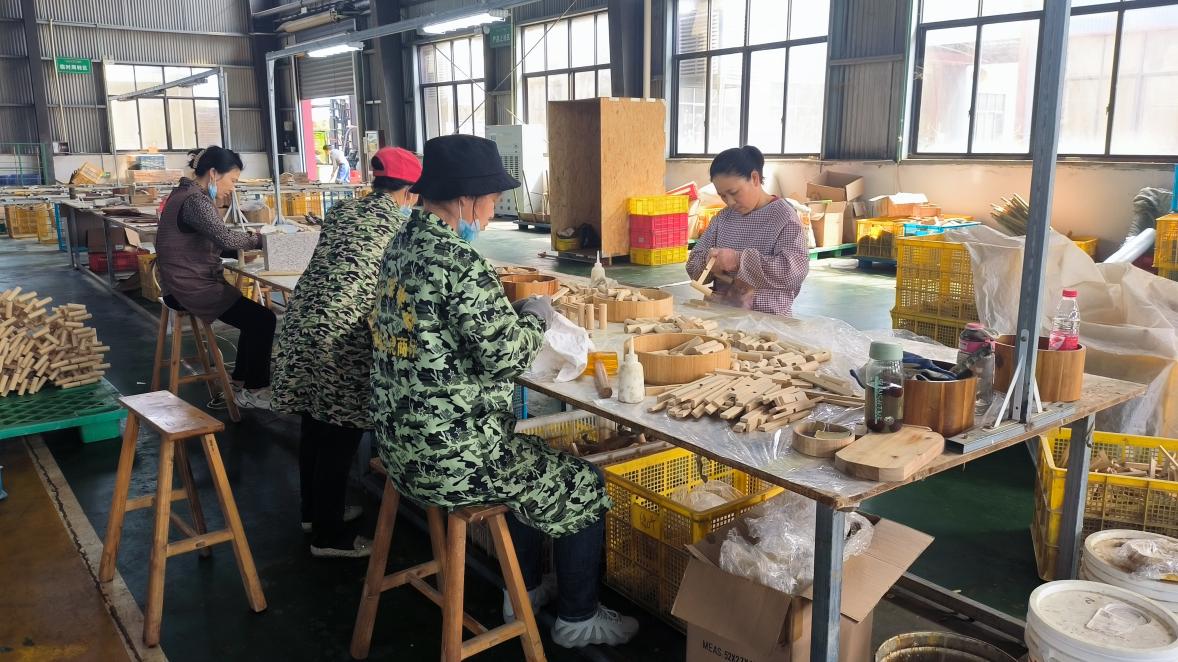
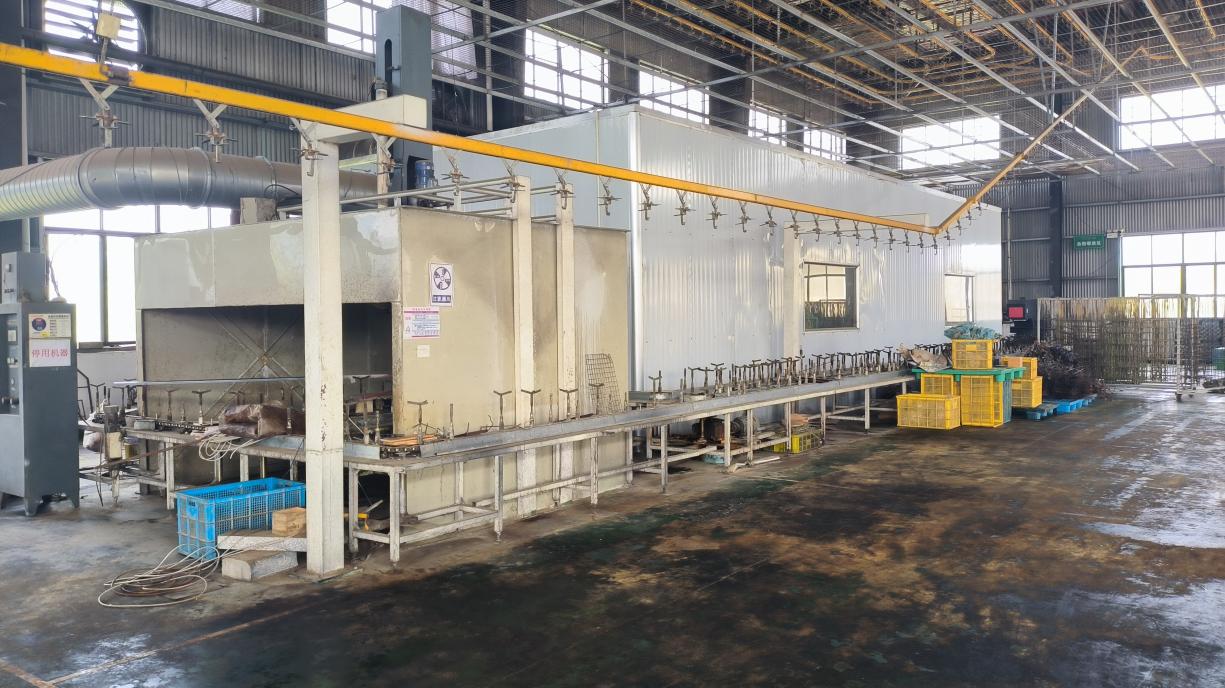
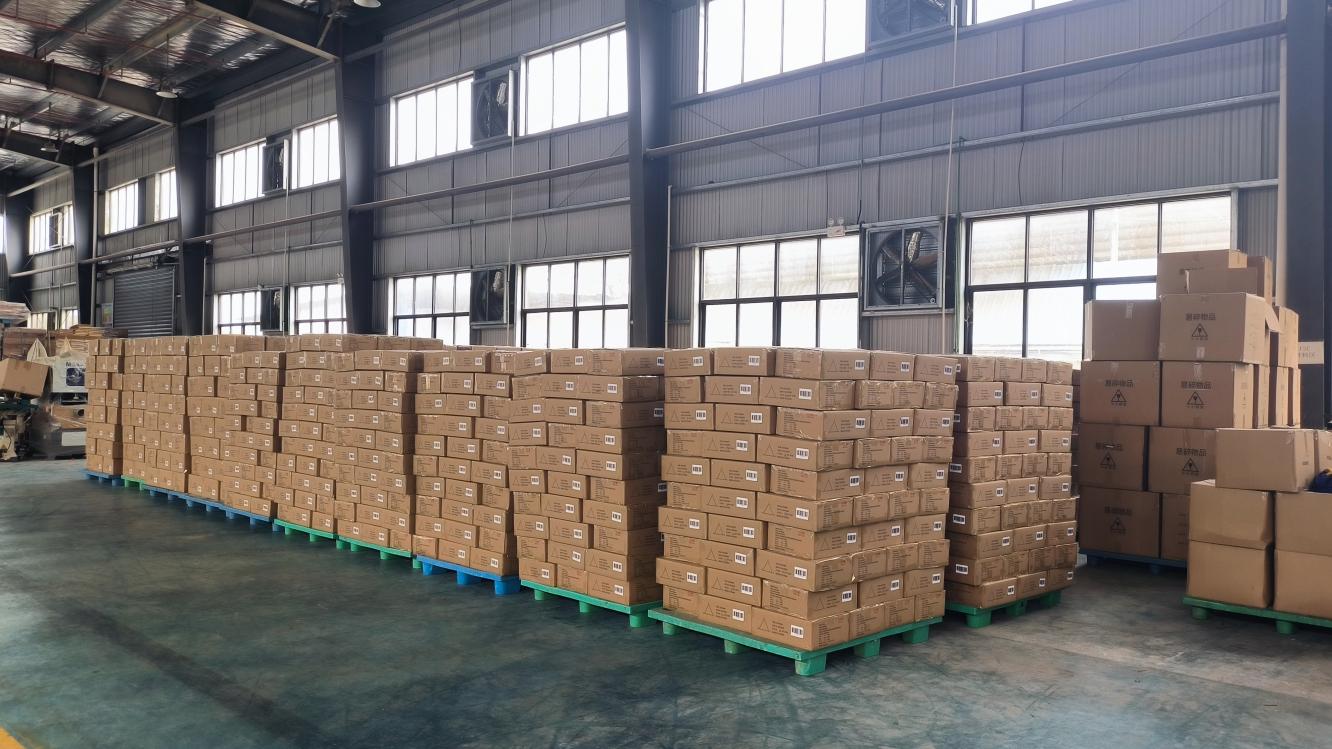
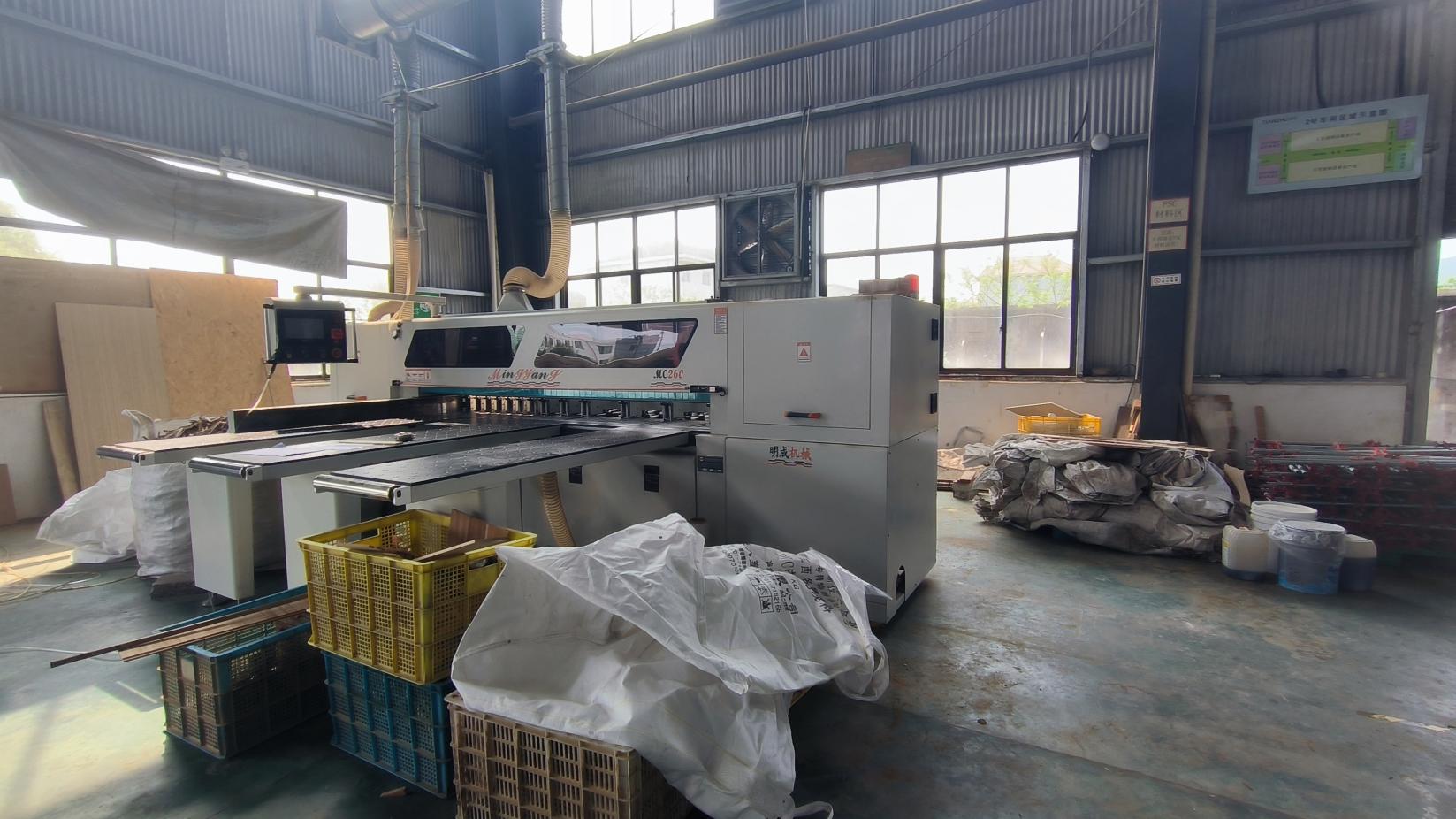
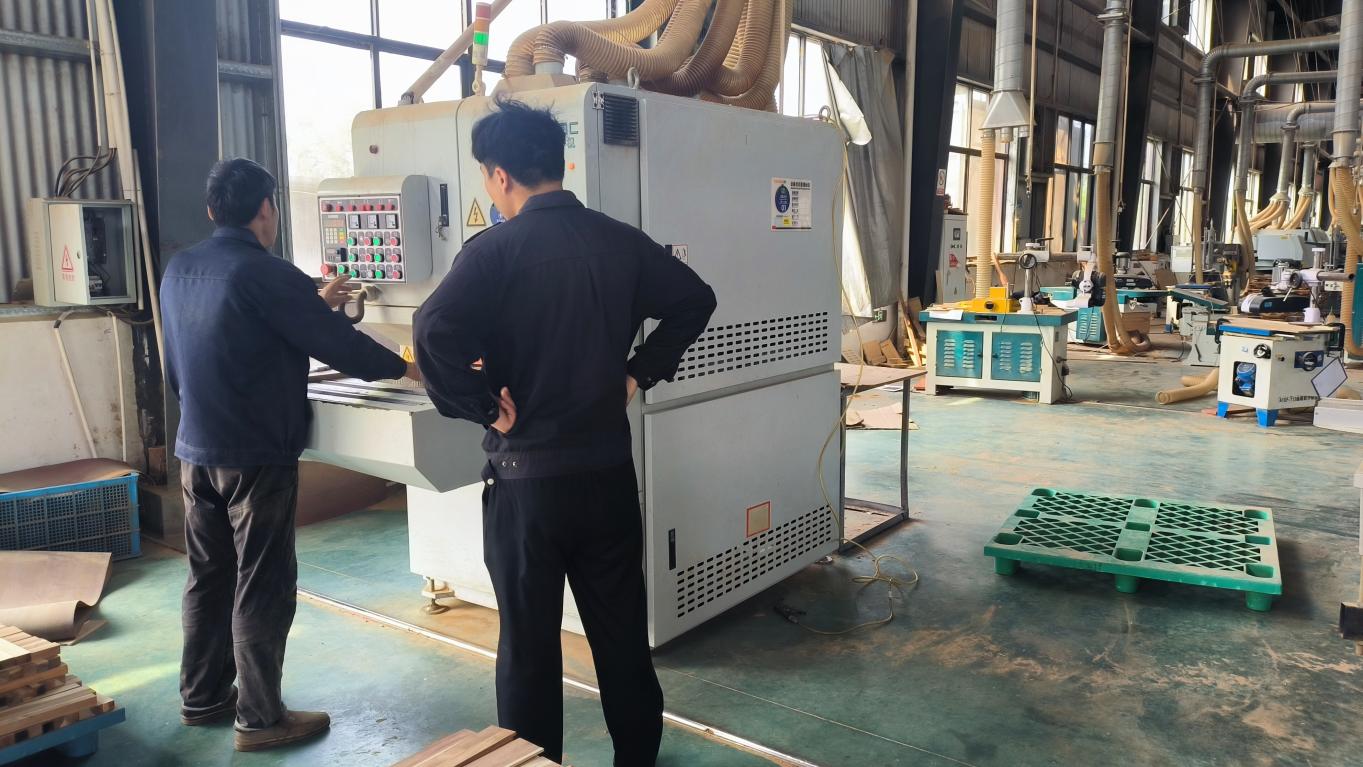
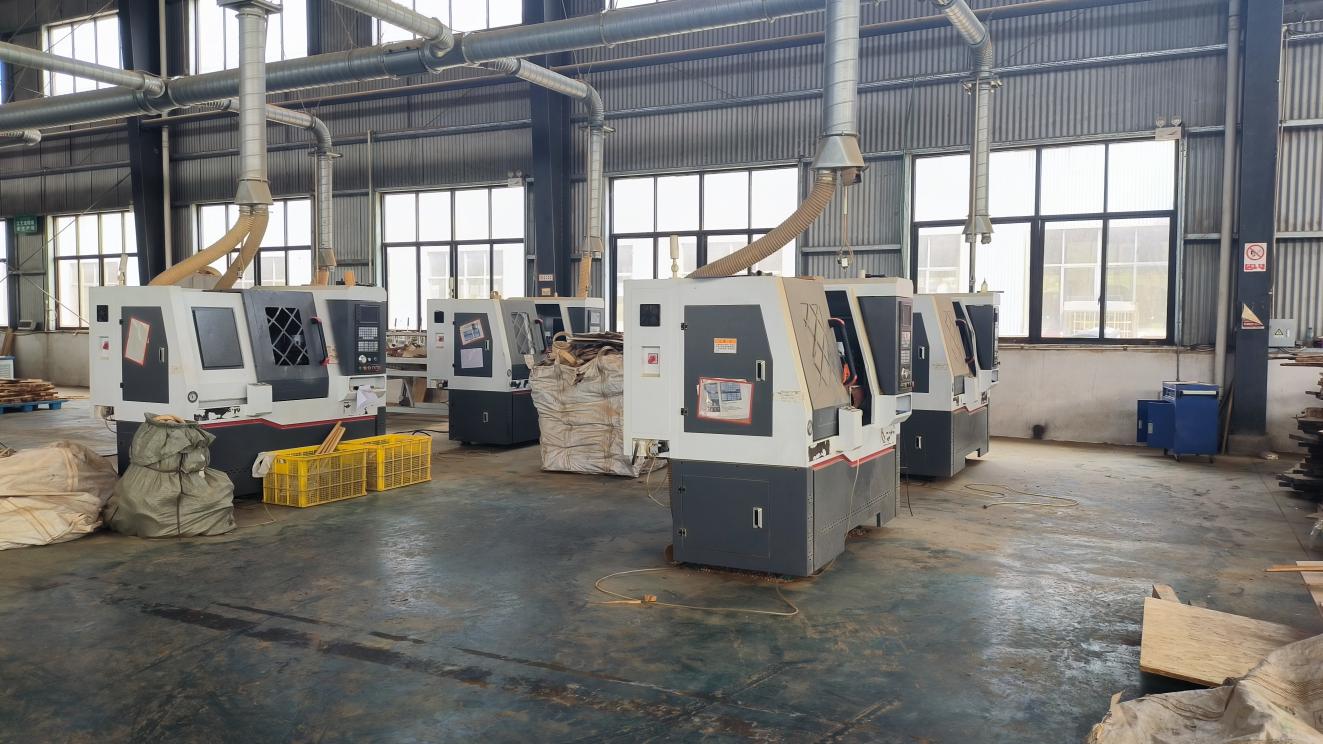
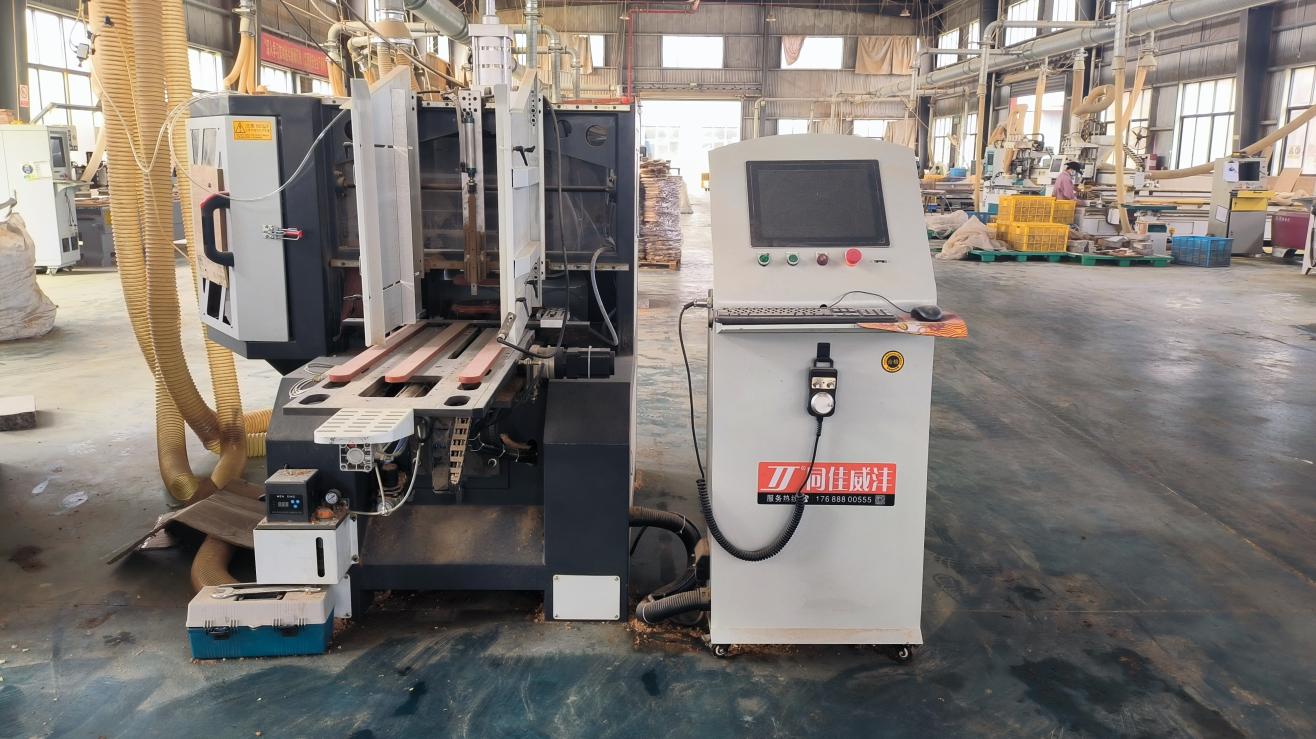
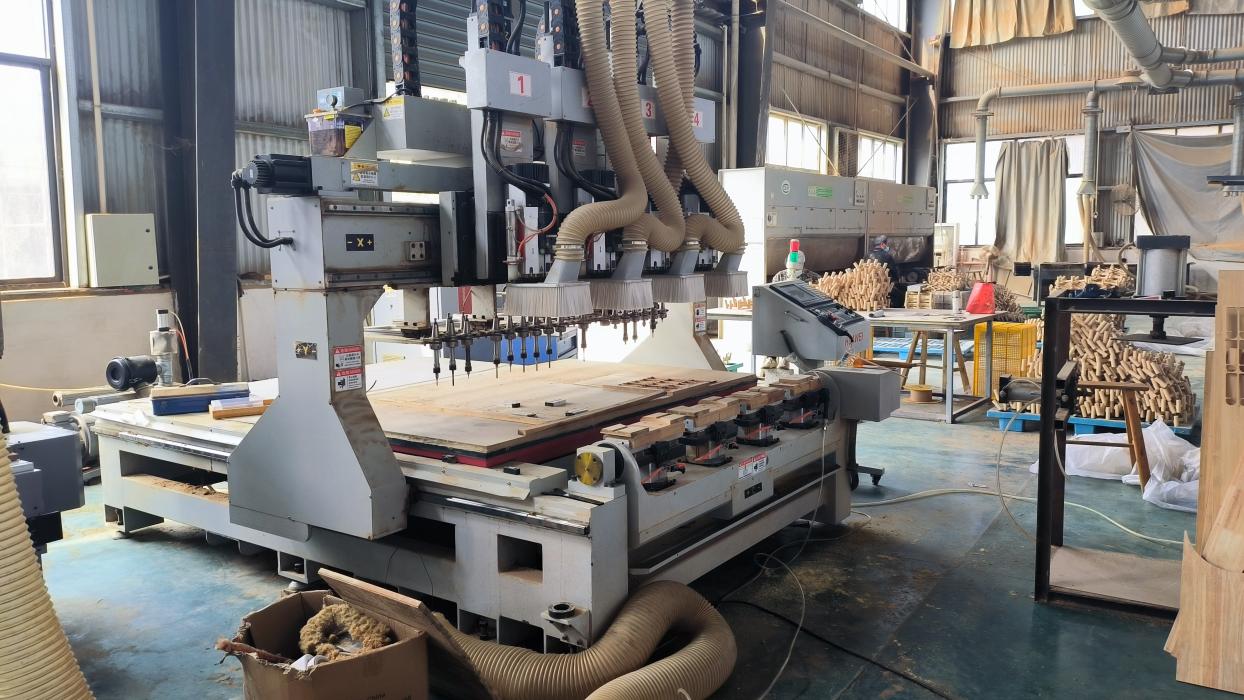
Our production workflow is designed to combine traditional craft with modern industrial efficiency. The process begins with raw material selection, where bamboo is harvested and cut to size. It then goes through a kiln-drying phase to bring moisture content down to 8%–12%, which prevents warping during shipping.
We use automated cutting and forming machinery to prepare the raw stock. High-precision CNC lathes shape the bamboo, keeping tolerances within ±0.1mm. Next, automated grinding machines create a smooth finish, preparing the surface for assembly.
During assembly, our team uses food-safe, formaldehyde-free adhesives to assemble the components. We apply protective, water-based coatings in a cleanroom painting facility. This step seals the bamboo while keeping it safe for food contact. Finally, products are inspected and packaged using automated sealing lines, ensuring they are protected during transit and ready for retail.
The international trade in premium bamboo storage is shaped by distinct regional market demands. In Western Europe, particularly in Germany, France, and the UK, buyers focus heavily on material compliance. Products must meet LFGB standards and carry FSC certification. European buyers generally prefer minimalist designs that highlight the natural grain of the bamboo.
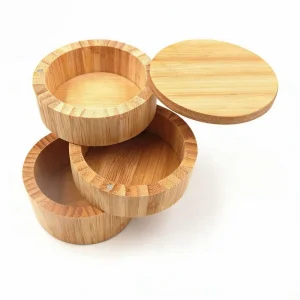
In the North American market, demand is led by large retail chains and e-commerce brands looking for functional, high-capacity organizers. Popular items include multi-tier tea chests, adjustable kitchen trays, and stackable food storage units. These products require high dimensional stability to perform reliably across different regional climates.
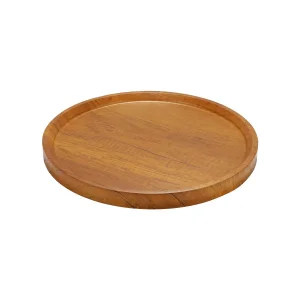
In East Asian markets, especially Japan and South Korea, there is a strong appreciation for traditional craftsmanship. This translates to high demand for products like fine bamboo whisks, specialized tea-ceremony tools, and small-batch custom serving trays. These items require tight joinery and fine detail work, highlighting the versatility of bamboo as a premium design material.
For international B2B procurement, meeting product safety and import regulations is essential. Because bamboo is a natural material, it must be carefully processed to prevent issues like mold growth or insect infestation during shipping. Our team addresses this with automated temperature-controlled drying systems, keeping raw bamboo at optimal moisture levels before production begins.
We work with international inspection bodies like SGS and TÜV Rheinland to ensure our products comply with FDA, LFGB, and REACH standards. We use only food-safe coatings and adhesives, providing our customers with full documentation to support customs clearance and retail distribution.
We also offer comprehensive customization options to help brands differentiate their products. Our facilities include laser engraving for detailed branding, pad printing for multi-color logos, and hot stamping for premium metallic details. Our flexible packaging lines allow us to supply products in customized boxes, display carton sets, or bulk protective wrapping as required.
As the sustainable housewares industry evolves, we continue to invest in new manufacturing technologies. We are upgrading our facilities with advanced CNC milling centers and robotic sanding systems. These upgrades will allow us to manufacture complex geometries and interlocking joints with higher precision, reducing material waste.
In materials science, we are exploring bio-composites and new natural finishes to improve moisture resistance without relying on synthetic resins. We are also testing starch-based glues to develop a fully compostable line of laminated bamboo products. These initiatives will help us continue providing high-performance, eco-friendly products that meet the changing needs of the global market.
 Ghella Kitchen