Explore our premium selection of sustainable bamboo products engineered with industry-leading food-grade coatings, high tensile strength, and ISO-certified processes.
Unveiling the structural, ecological, and economic dynamics shaping the high-end bamboo bathroom and kitchenware manufacturing sectors.
The global bathroom fixtures and accessories industry is undergoing a structural transition. Sourcing agents and eco-retailers are rapidly replacing traditional synthetic PVC, vinyl, and high-impact plastics with bio-based alternatives. At the center of this paradigm shift is agricultural bamboo (primarily Phyllostachys edulis, or Moso Bamboo). Known for its lightning-fast regeneration cycles and natural tensile strength comparable to steel alloys, bamboo has emerged as the premier raw material for high-end home goods, including water-resistant bath panels, woven shower dividers, and precision-machined culinary items.
However, importing bamboo shower curtains and wood-based bathroom products involves unique challenges. Bathrooms are high-humidity, high-heat environments. Standard untreated wood splits, warps, and develops mold spores within weeks. To combat this, elite manufacturers employ advanced multi-stage carbonization processes and food-grade hydrophobic polymer coatings. This B2B guide dissects the technical specifications, factory evaluation metrics, and manufacturing roadmaps of the top ten global hubs producing structural bamboo home products.
When sourcing bamboo home components at scale, rely on concrete technical specifications rather than surface-level aesthetic appeal.
High-pressure steam carbonization caramelized natural sugars within the bamboo fibers. This eliminates organic food sources for wood-boring insects and mold, lowering equilibrium moisture content to under 12% to prevent cracking.
Top factories utilize electrostatic spray deposition (ESD) to apply ultra-thin, cross-linked polyurethane or natural tung oil coatings. This ensures a waterproof barrier while keeping formaldehyde emissions well within European E1 and EPA TSCA Title VI standards.
Ensure your manufacturer maintains verifiable certifications: FSC (Forest Stewardship Council) for traceably sourced raw materials, BSCI (Business Social Compliance Initiative) for labor practices, and ISO 9001:2015 for systematic quality assurance.
Our Production Line & Eco-Friendly Manufacturing Infrastructure
Shandong Ghella Kitchen Co., Ltd. is a professional manufacturer specializing in kitchenware and eco-friendly tableware in China. Since its establishment in 2017, the company has been committed to providing high-quality bamboo, wood, and sustainable kitchen products to global customers. With our own stable raw material supply base, we ensure sufficient production capacity and consistent quality control from source to finished products.
"Guided by the business philosophy of 'Quality First, Customer First, and Integrity Supreme,' we continuously improve our production standards and service system to better serve the global market."
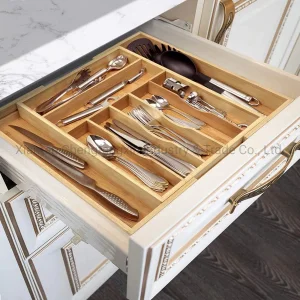
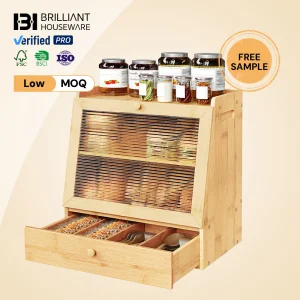
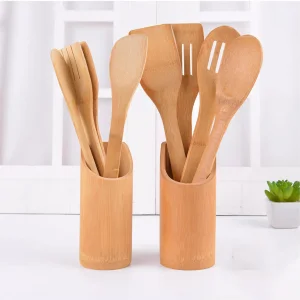
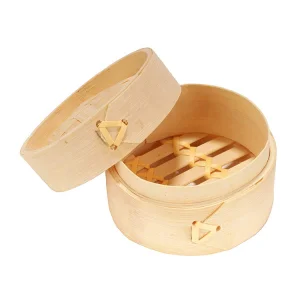
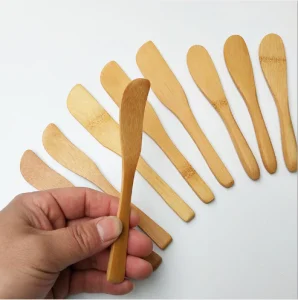
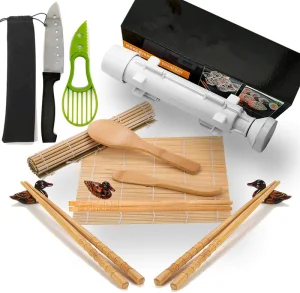
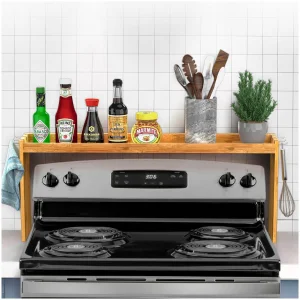
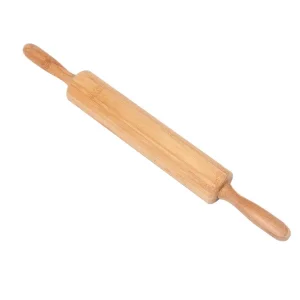
Backed by advanced production technology and a strong engineering and technical team, we mainly produce a wide range of products, including bamboo whisks, bamboo skewers, chopsticks, bamboo food tongs, party decoration picks, and various specifications of bamboo and wooden tableware. Our product line continues to expand to meet the growing demand for environmentally friendly disposable and reusable kitchen solutions. To support diversified market needs, we have established professional packaging workshops equipped with advanced machinery, such as laser engraving machines, pad printing machines, hot stamping machines, and automatic plastic sealing equipment. These facilities allow us to offer flexible customization services and fully support OEM and ODM projects according to customer requirements.
Our products are widely exported to the United States, United Kingdom, Germany, France, Italy, Japan, and various countries in the Middle East and Southeast Asia. We have built long-term partnerships with clients worldwide based on stable quality, competitive pricing, and reliable service. With the core idea of “better products, better service,” we have earned the trust and recognition of our customers. If you are interested in our products or would like to discuss customized cooperation, please feel free to contact us. We sincerely look forward to establishing long-term and successful business relationships with partners around the world and warmly welcome you to visit our factory in China.
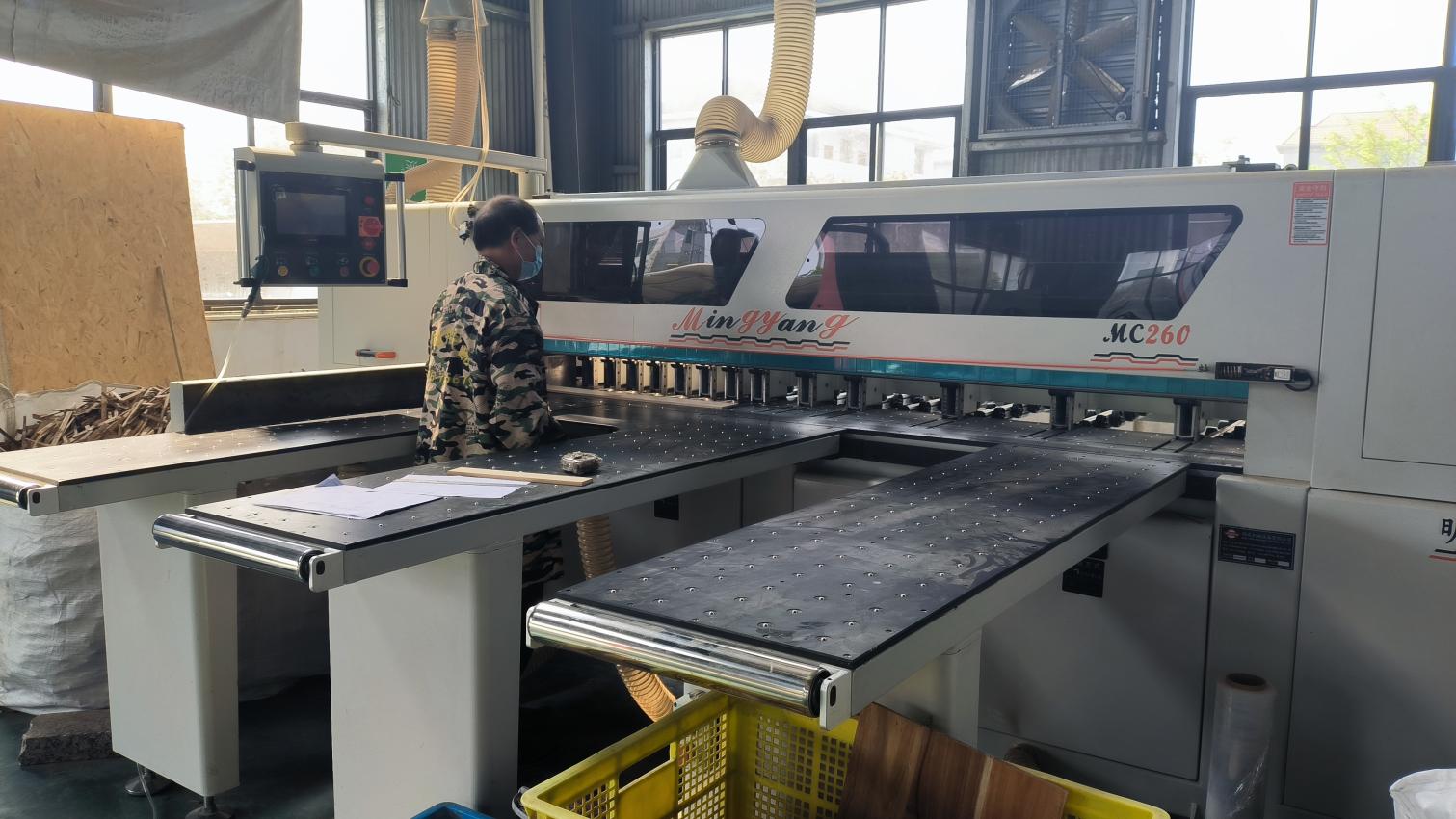
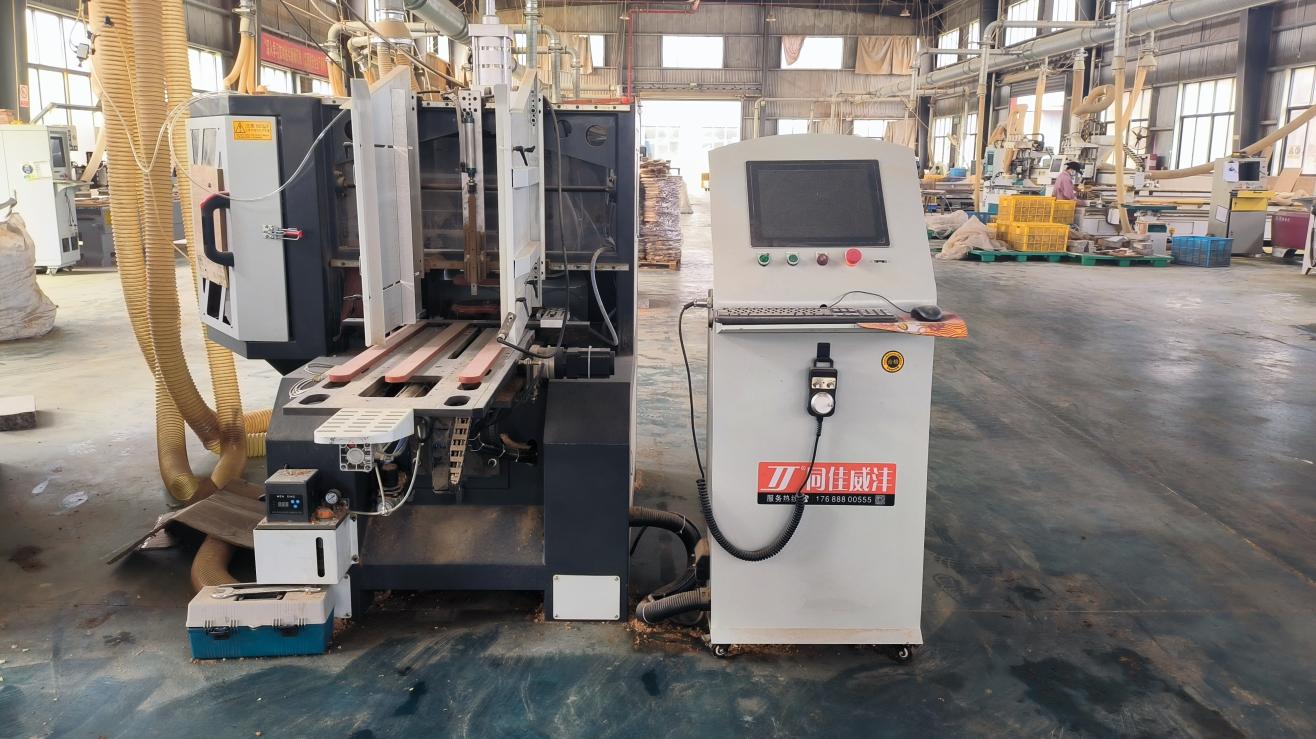
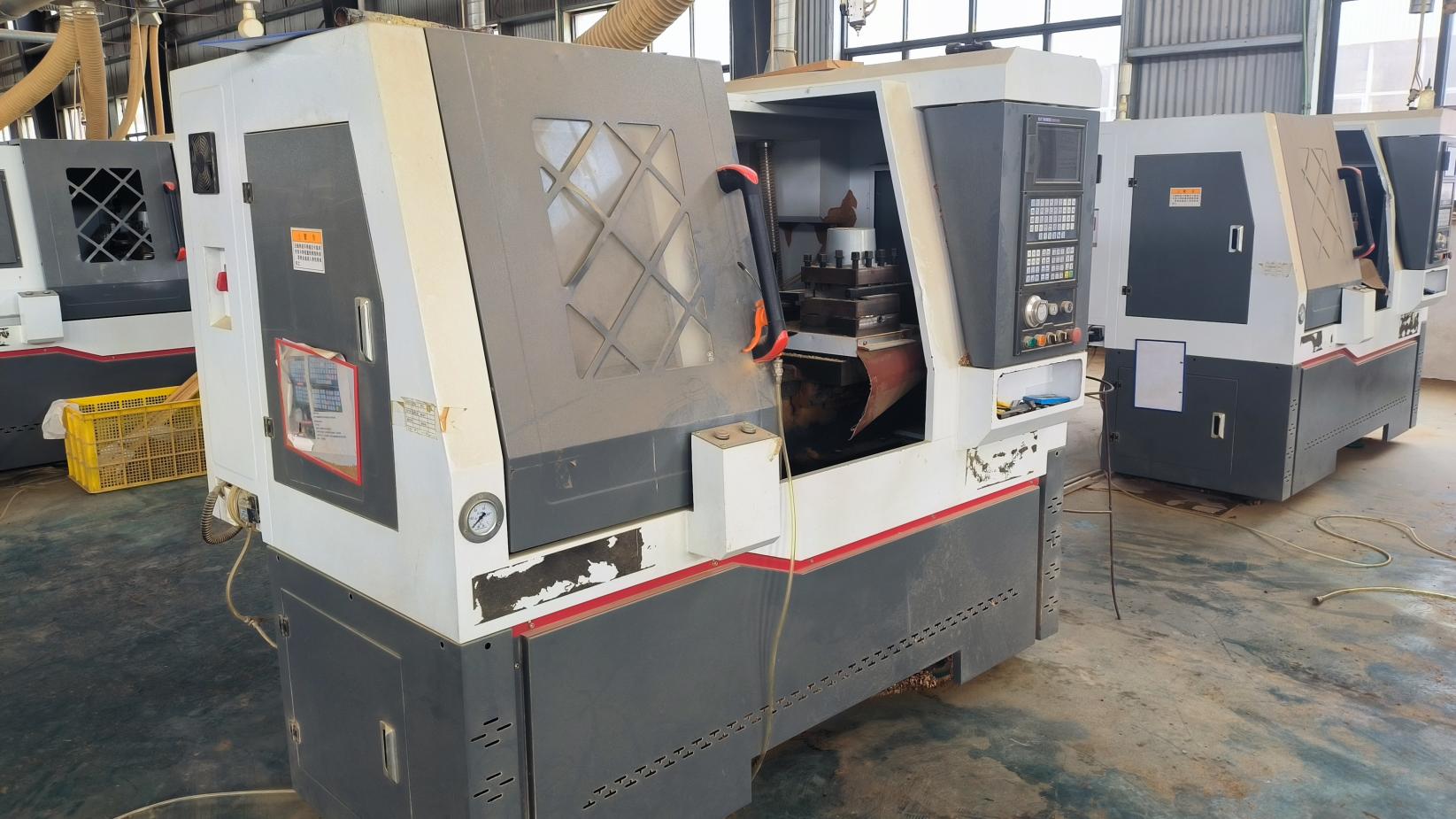
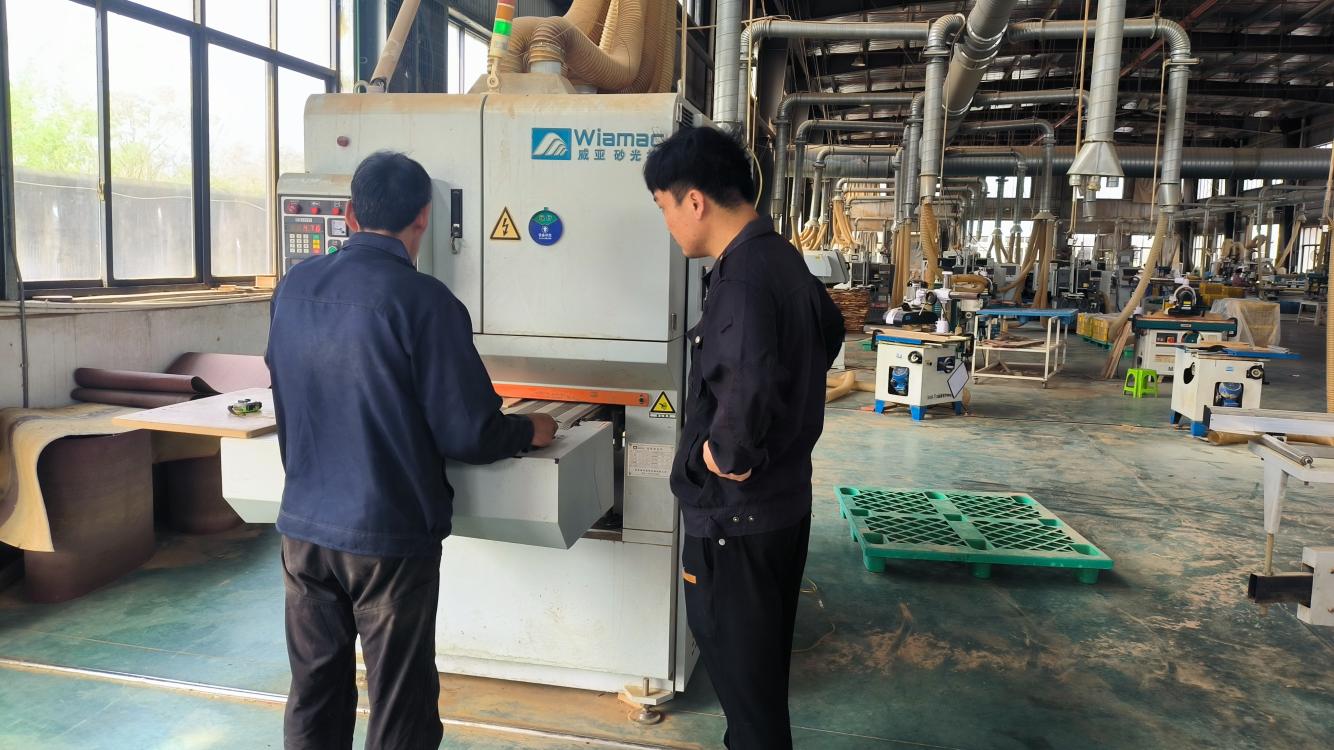
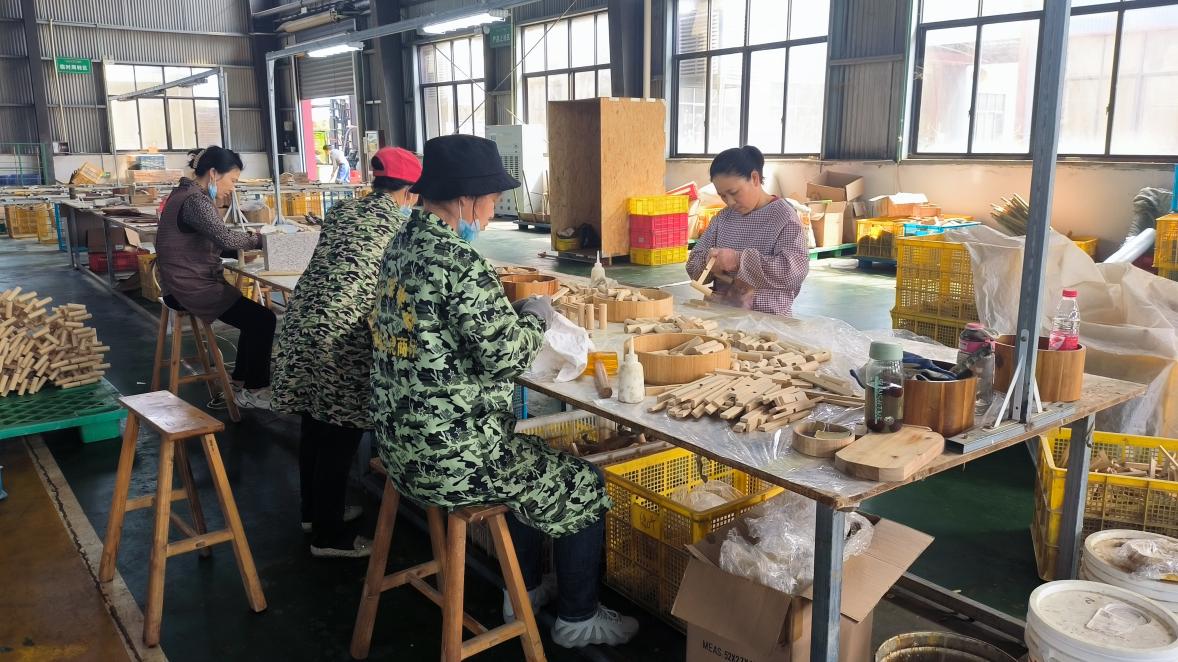
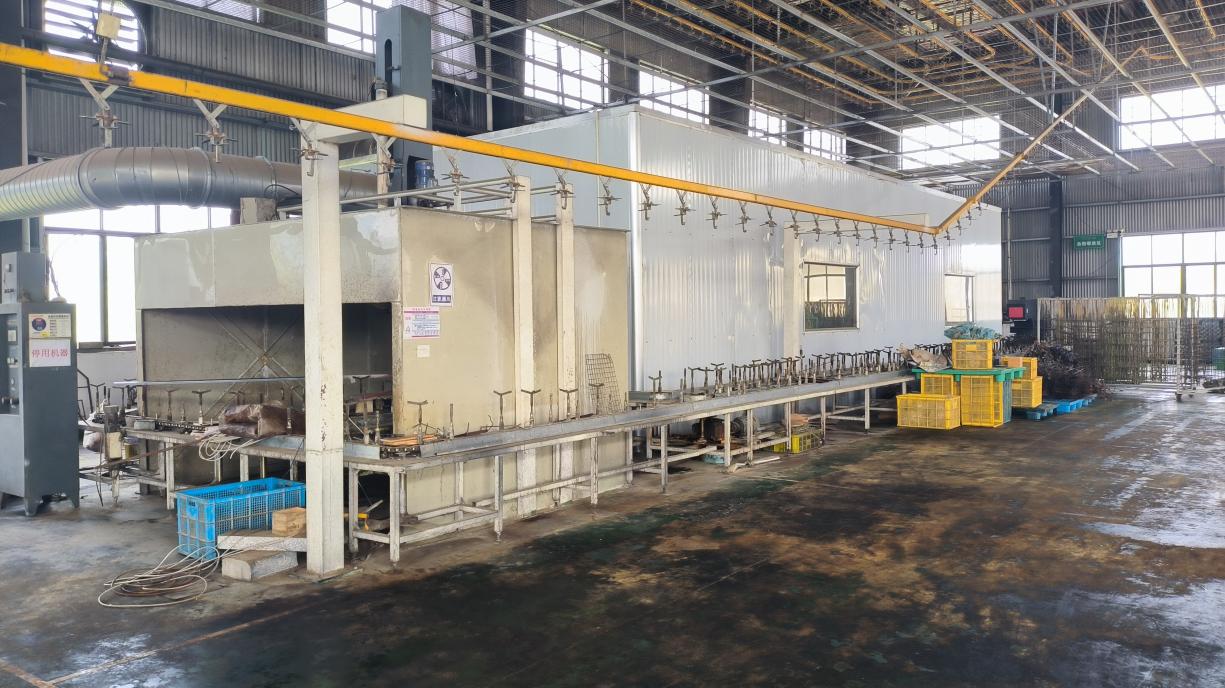
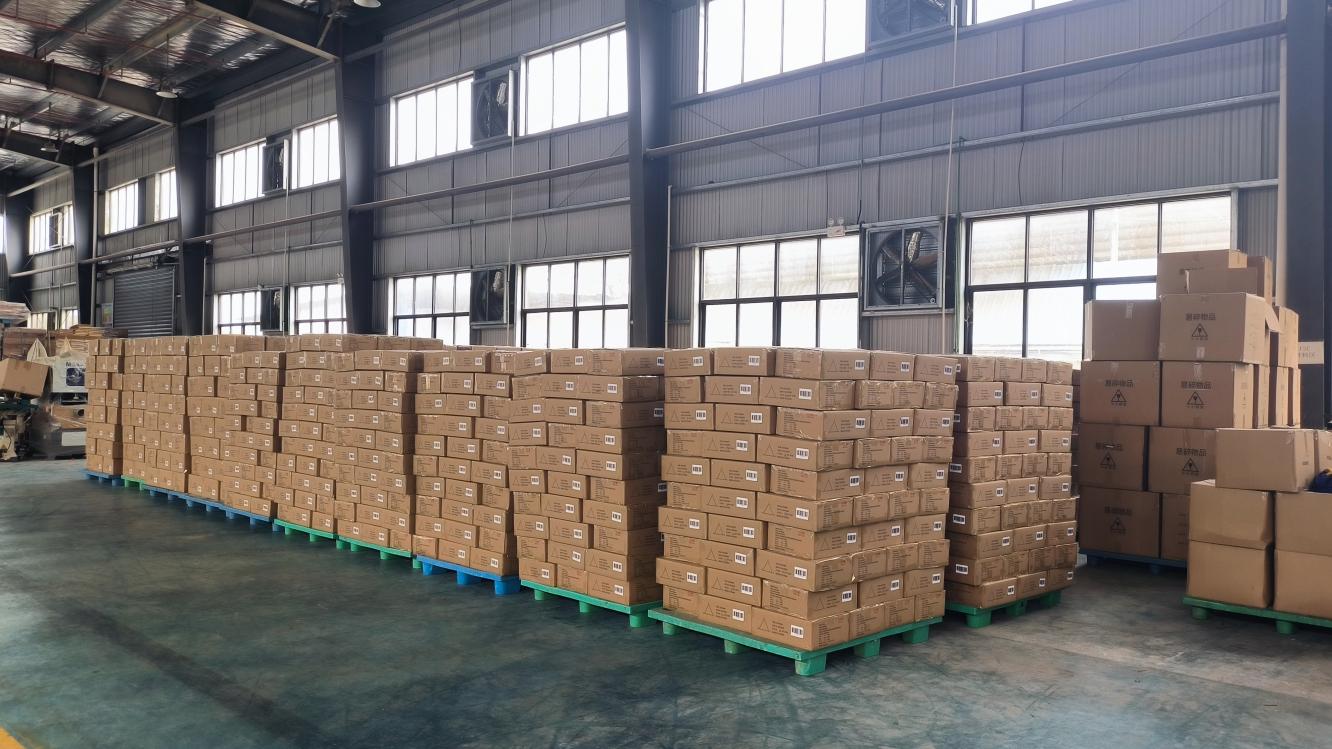
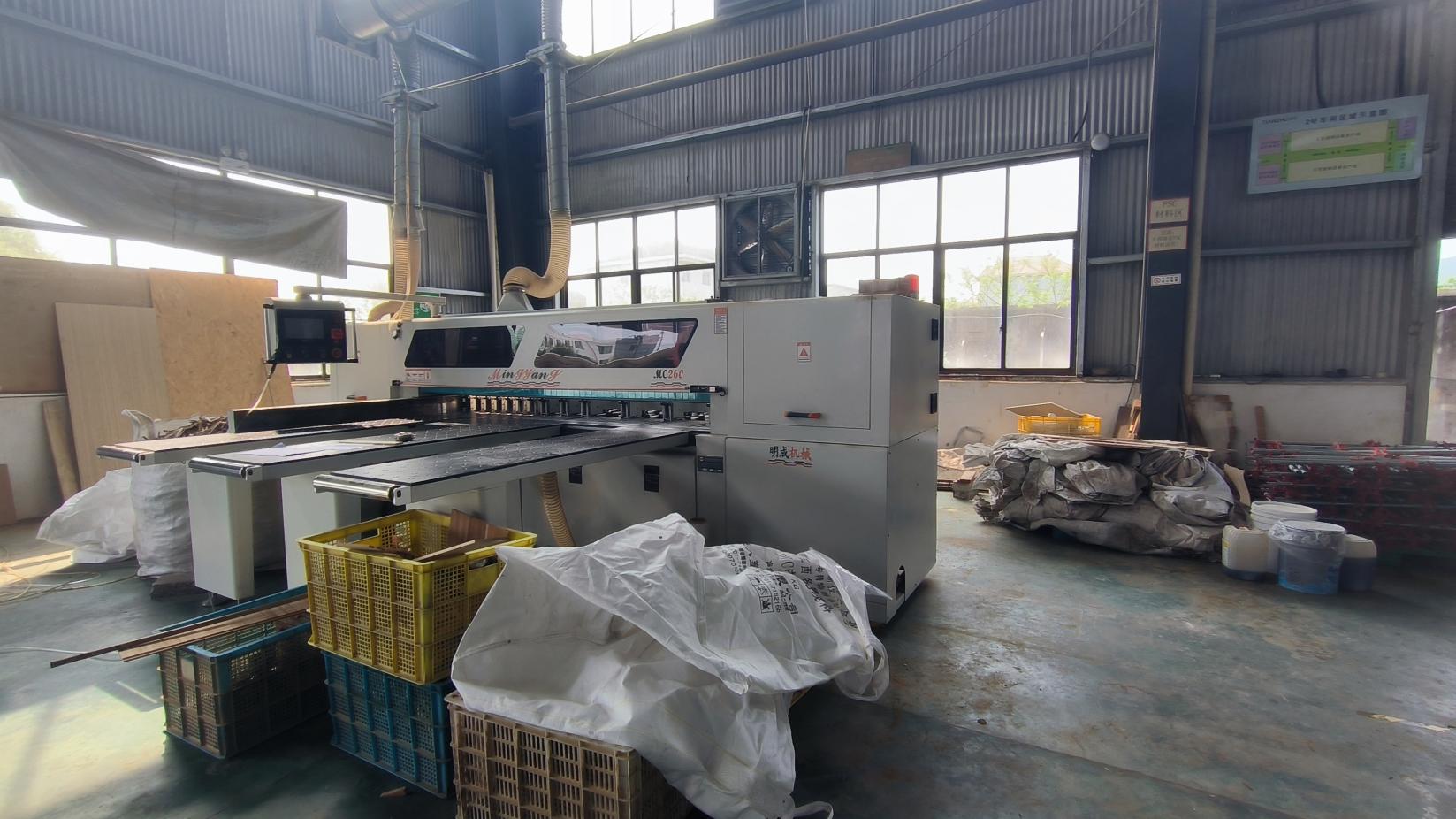
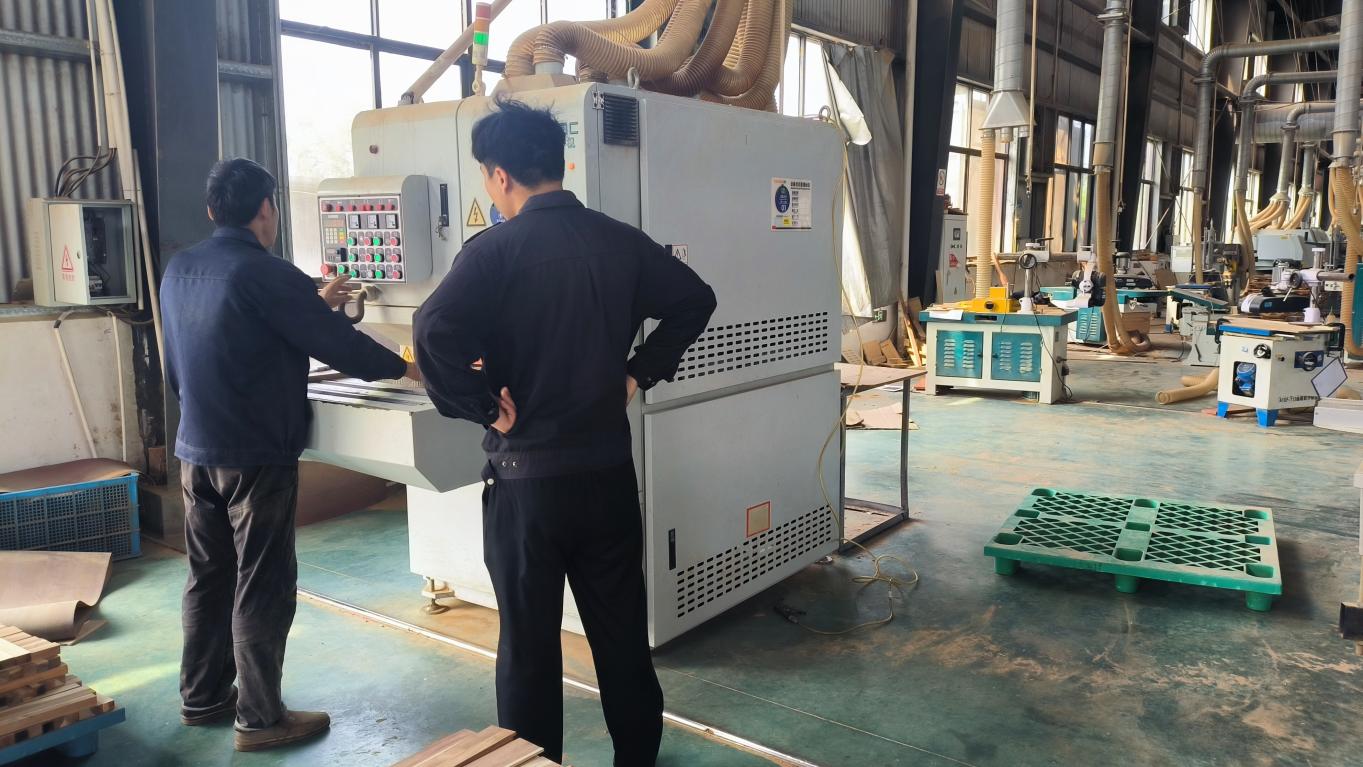
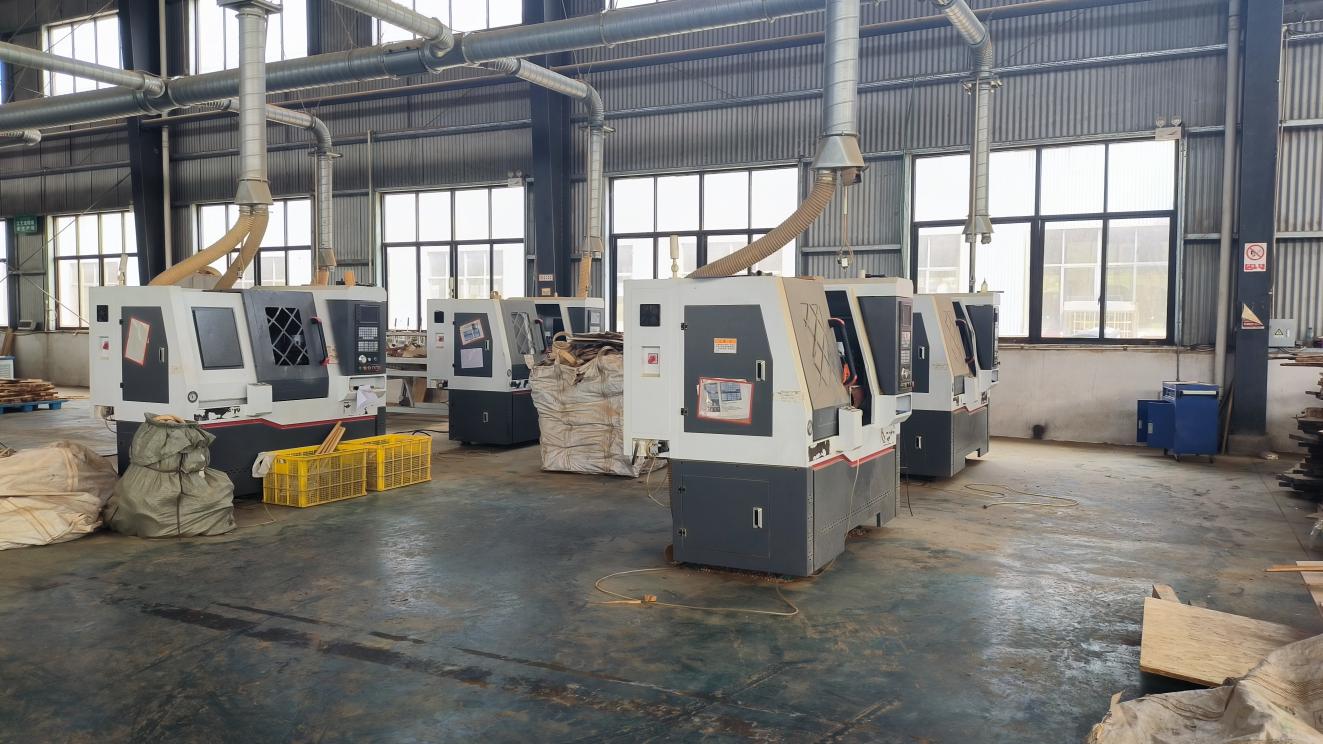
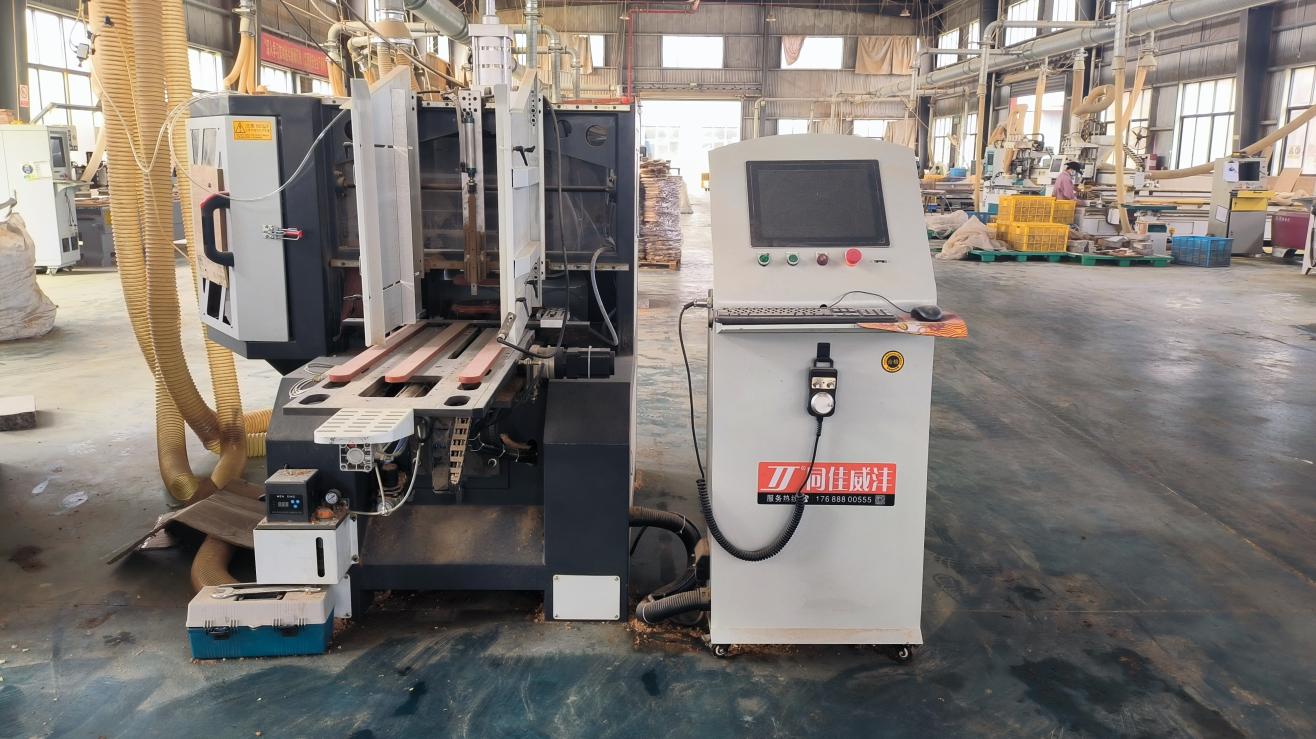
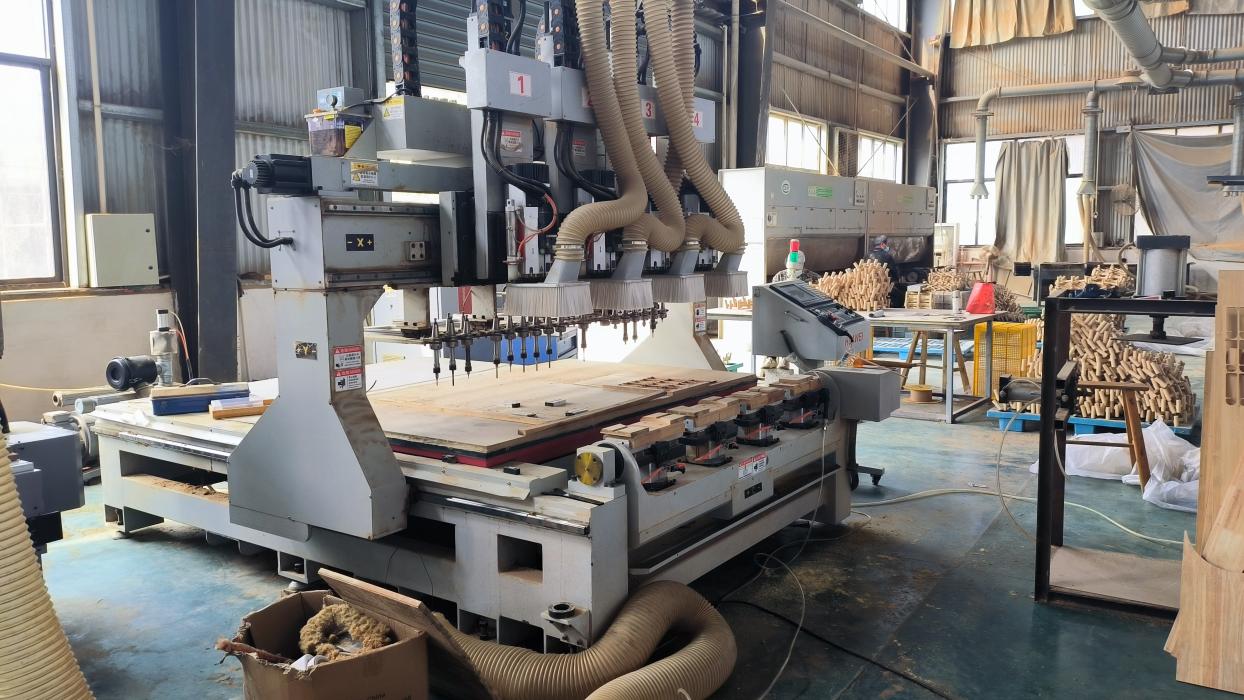
A comparative layout of the world's leading manufacturing centers specialized in high-performance bamboo homeware fabrication.
Specialty: Precision CNC turning, multi-ply lamination, and automated anti-microbial UV finishing. Best for mixed B2B orders of kitchen-to-bath accessory ranges.
Specialty: Direct Moso bamboo harvesting and primary strip processing. Exceptional cost-efficiency on high-volume, basic raw slats and roll-up bath screens.
Specialty: Micro-fiber processing and extraction of flexible bamboo cellulose yarns for woven fabric-style drapery. OEKO-TEX Standard 100 certified.
Specialty: Structural carbonization and thermal modification. Their proprietary deep-steamed dark bamboo profiles offer high resistance to mold.
Specialty: Hybrid composite materials, matching natural bamboo veneers with waterproof core panels. Ideal for heavy-duty industrial applications.
Specialty: Handcrafted and organic products, utilizing traditional processing techniques combined with modern eco-friendly lacquers.
Specialty: High-efficiency automated assembly lines for large consumer retail brands. Highly standardized dimensions and packaging capabilities.
Specialty: Heavy structural profiles, heavy-duty bath mats, and wall panels. They focus on load-bearing components and chemical treatments.
Specialty: R&D focused facility specializing in nano-hydrophobic surface coatings and customized OEM laser engraving designs.
Specialty: Cost-competitive regional sourcing and multi-modal logistics connections throughout Southeast Asia. Best for raw semi-finished exports.
Where is the eco-friendly home furnishings industry headed? Understanding technological integration and material sciences.
The manufacturing paradigms of the 2020s are dominated by the demand for circularity and traceability. Industrial buyers no longer look only at the final price tag; they analyze the carbon footprint of the ocean freight, the energy consumption of the kilns, and the lifespan of the finished products. The technological roadmap of modern bamboo manufacturing centers on three core pillars:
Traditional chemical sealants are gradually being phased out in favor of coatings that mimic the surface structure of the lotus leaf. By self-assembling into a micro-textured topography, these coatings force water droplets to roll off cleanly, carrying away dust and soap scum. This breakthrough increases the typical lifespan of bamboo products used in showers from two years to over seven years, even under daily water exposure.
To eliminate natural directional warping, factories are adopting cross-laminated bamboo techniques. Alternating the grain direction of each layer at 90-degree angles ensures that any humidity-induced expansion is offset by the opposing layer. This enables the fabrication of ultra-thin, lightweight, yet completely flat shower curtains and sliding bath doors.
Implementing smart manufacturing lines allows real-time monitoring of raw bamboo moisture levels at every stage—from cutting and forming to final packaging. Automated moisture-sensor systems instantly reject pieces that do not meet the strict <12% moisture threshold, ensuring that every batch shipped exhibits consistent quality and minimal defect rates.
Our structured B2B support model is built to streamline your supply chain and reduce operational overhead.
Navigating global importing requires a clear framework. Below is the workflow we implement at Shandong Ghella Kitchen Co., Ltd. to ensure stable quality control, transparent communications, and timely deliveries for international buyers:
Submit your technical drawings or dimensional requirements. Our CNC tooling and design department generates precise physical samples for verification within 7-10 working days.
We source high-density bamboo culms from sustainable, certified forests. All fibers undergo steam-cleaning and kiln drying to ensure they are clean and structurally sound.
We conduct strict QA inspections during the manufacturing process, checking lamination, dimensional tolerances, and surface finish compliance at every station.
Expert technical answers to common queries regarding industrial bamboo sourcing, compliance, and product maintenance.
Our high-capacity manufacturing plants produce a diverse range of functional, food-grade household essentials.
 Ghella Kitchen