Global Industrial Whitepaper

Top Trusted Bamboo Sandwich Box Manufacturer & Factories

Architecting Premium OEM/ODM Sustainable Food Storage Solutions. Combining Precision Engineering, Zero-Plastic Circularity, and Compliance for Enterprises Worldwide.

Strategic Insights: The Rise of Sustainable Food Storage Platforms

An in-depth analysis of how high-performance bamboo sandwich boxes are revolutionizing global B2B procurement and commercial food services.

100%
Organic Moso Bamboo
FDA/LFGB
Certified Food Safety
50k+
Monthly Unit Capacity
Zero
Chemical Microplastics

1. Executive Summary: The Structural Shift in Food Contact Materials (FCM)

The landscape of commercial food packaging is undergoing an unprecedented paradigm shift. Driven by rigorous international policies such as the European Union’s Single-Use Plastics Directive and the FDA’s modernized food-safety mandates, enterprises are rapidly migrating from fossil-fuel-based polymers to circular, organic substrates. Amidst these changes, the bamboo sandwich box has emerged as the gold standard for premium reusable and compostable lunch containers.

For multinational brands, supermarket chains, and high-volume importers, choosing a verified bamboo sandwich box manufacturer involves evaluating not just unit economics, but material purity, processing technology, and systemic compliance. Modern consumers demand absolute transparency. By providing actionable information gain, this whitepaper clarifies the manufacturing parameters, customization options, and factory standards that differentiate a premium supply partner from regional suppliers.

Critical Information Gain: Carbon Sequestration Value of Moso Bamboo

Unlike traditional hardwoods which require up to 40 years to mature, raw materials like Phyllostachys edulis (Moso Bamboo) reach structural maturity within 3 to 5 years. This rapid biomass growth generates a carbon sequestration footprint that is 35% more efficient than an equivalent stand of standard deciduous trees, rendering bamboo the premier substrate for modern zero-emissions logistics strategies.

2. Our Legacy & History: Shandong Ghella Kitchen Co., Ltd.

At the core of China's premium sustainable tableware sector stands Shandong Ghella Kitchen Co., Ltd. Established in 2017, we have positioned ourselves as a premier manufacturer specializing in advanced kitchenware and eco-friendly tableware. Our mission is defined by our commitment to delivering superior-grade bamboo, wood, and sustainable kitchen solutions designed to meet the rigorous demands of global business clients.

We rely on a robust, highly stable raw material supply base situated in the heart of China’s premium bamboo cultivation zones. This strategic setup ensures sufficient production capacity and strict quality control, spanning from raw resource cultivation to the final processed goods. Supported by cutting-edge manufacturing equipment and a dedicated engineering and technical division, we specialize in high-precision tableware solutions, including bamboo whisks, food skewers, chopsticks, tongs, party decoration picks, and bespoke bamboo and wooden containers. Our product catalog is continually expanding to align with evolving demands for reusable food-grade container technologies.

To accommodate specialized retail and wholesale branding specifications, Shandong Ghella Kitchen Co., Ltd. operates a high-capacity custom packaging facility. This setup features advanced equipment such as precision laser engravers, high-volume pad printing lines, hot-stamping presses, and fully automated plastic sealing systems. These technical solutions allow us to support comprehensive OEM and ODM projects with flexible customization workflows. Currently, our products are widely exported to critical international markets, including the United States, the United Kingdom, Germany, France, Italy, Japan, the Middle East, and Southeast Asia. Built upon our core philosophy of "Quality First, Customer First, and Integrity Supreme," we continuously refine our engineering systems and client relations to ensure successful global partnerships.

Inside the Smart Factory: From Raw Culms to Premium Products

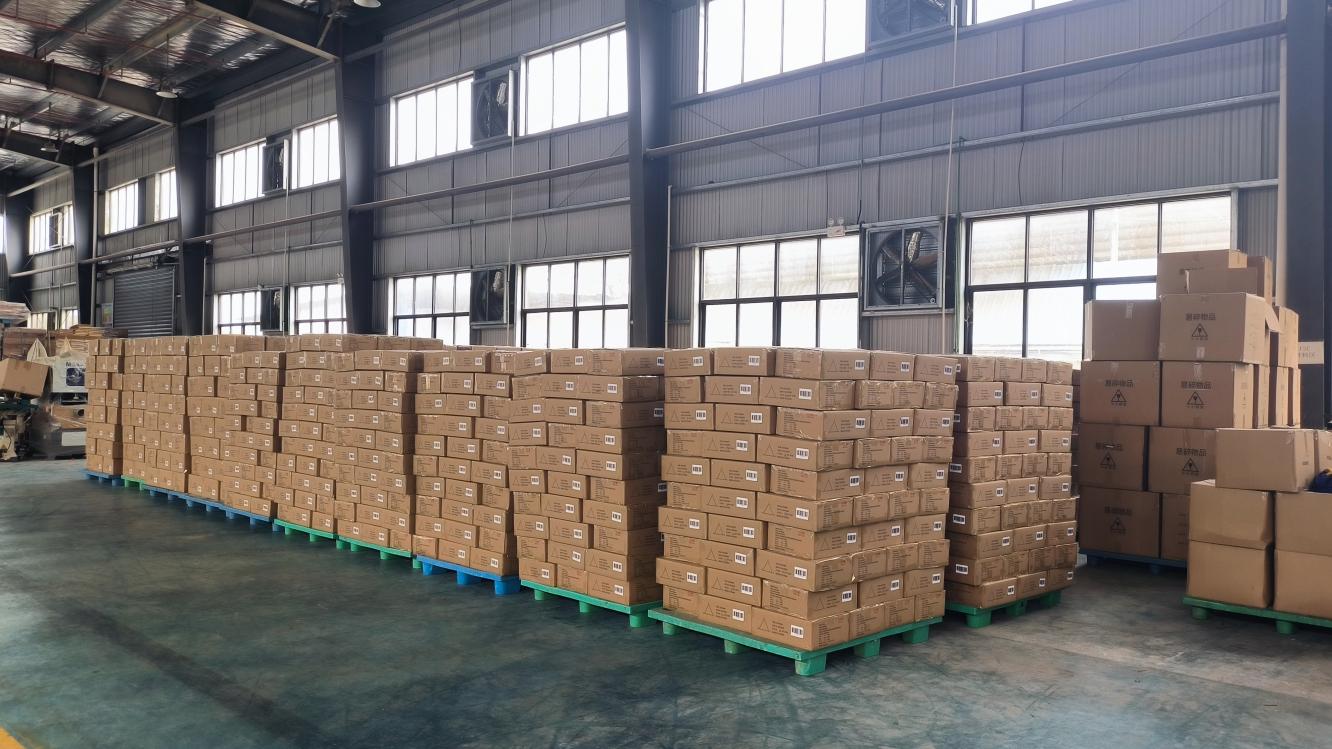
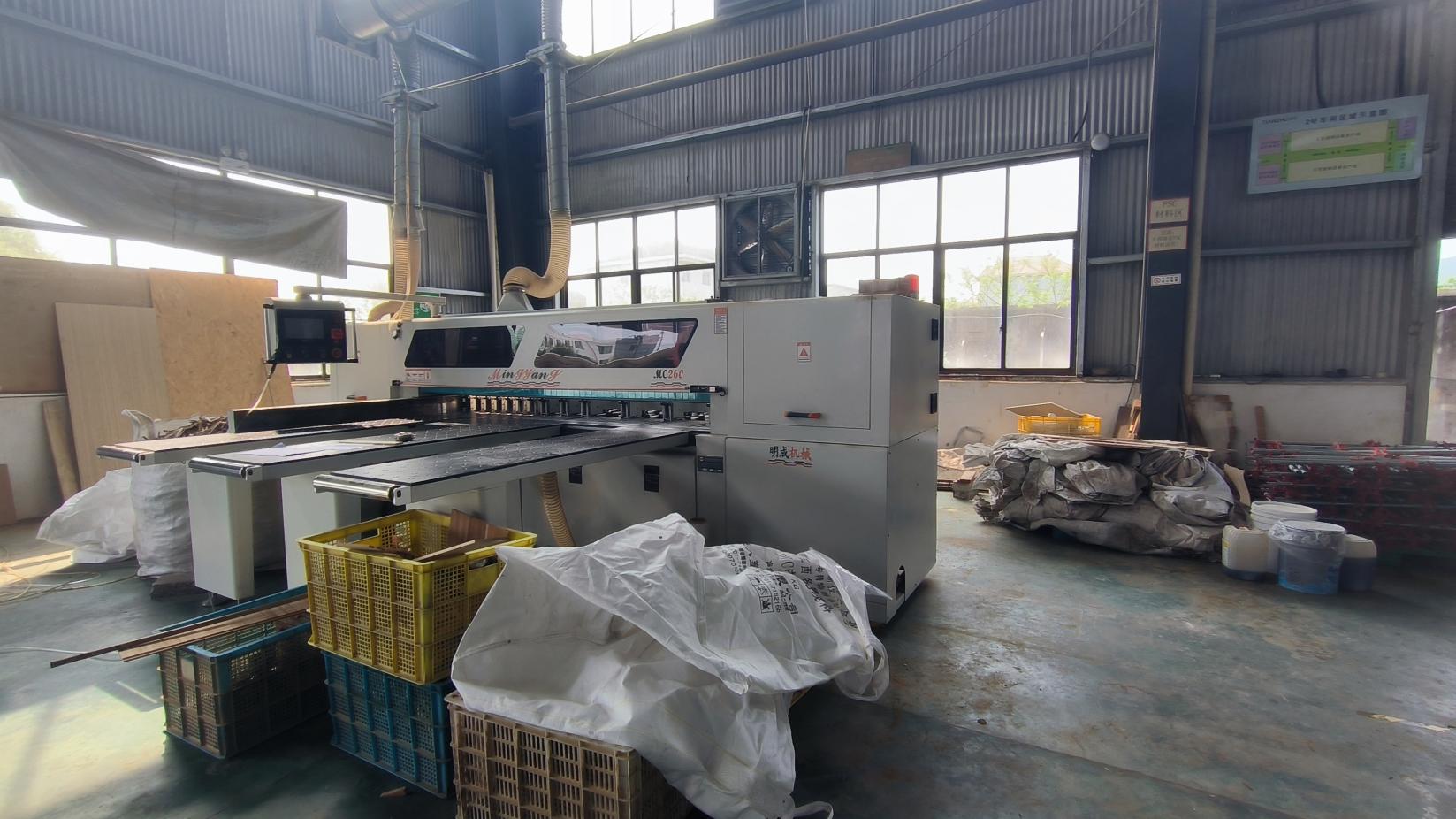
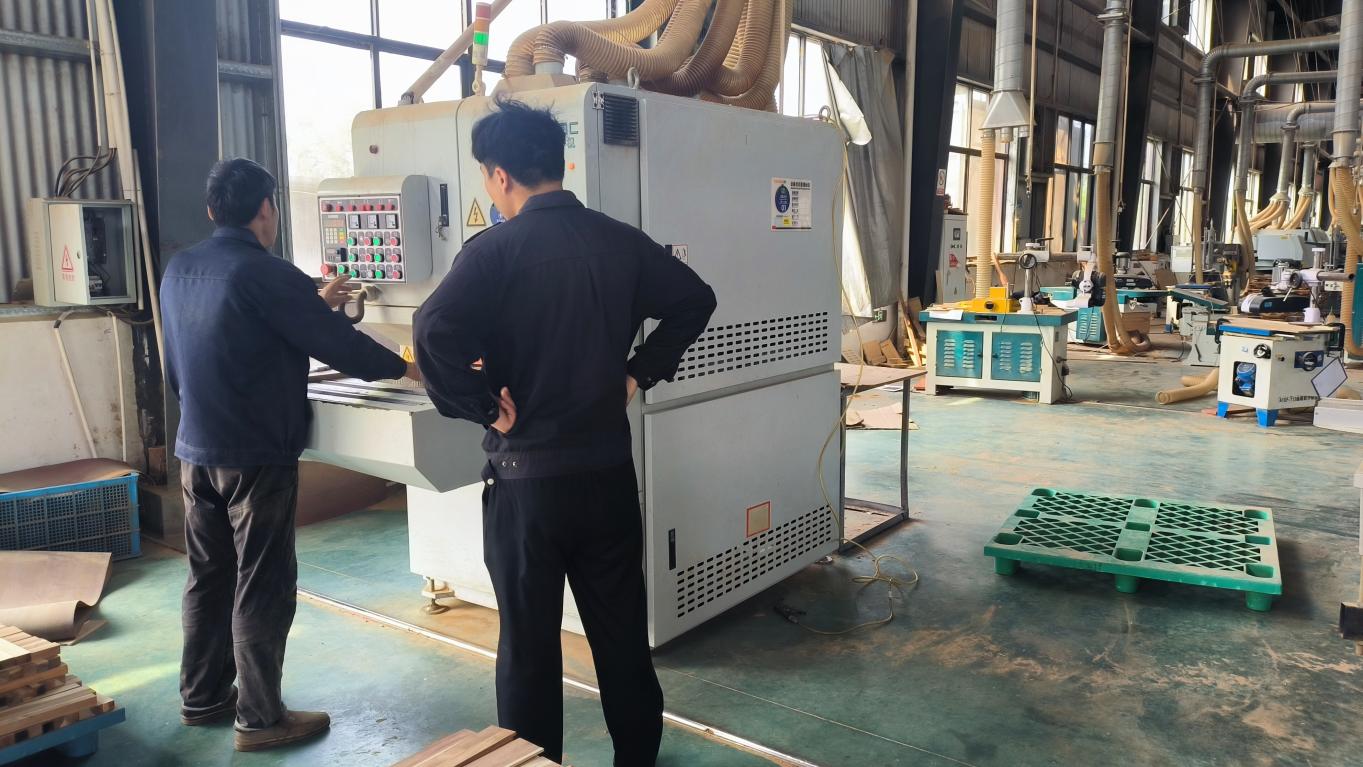
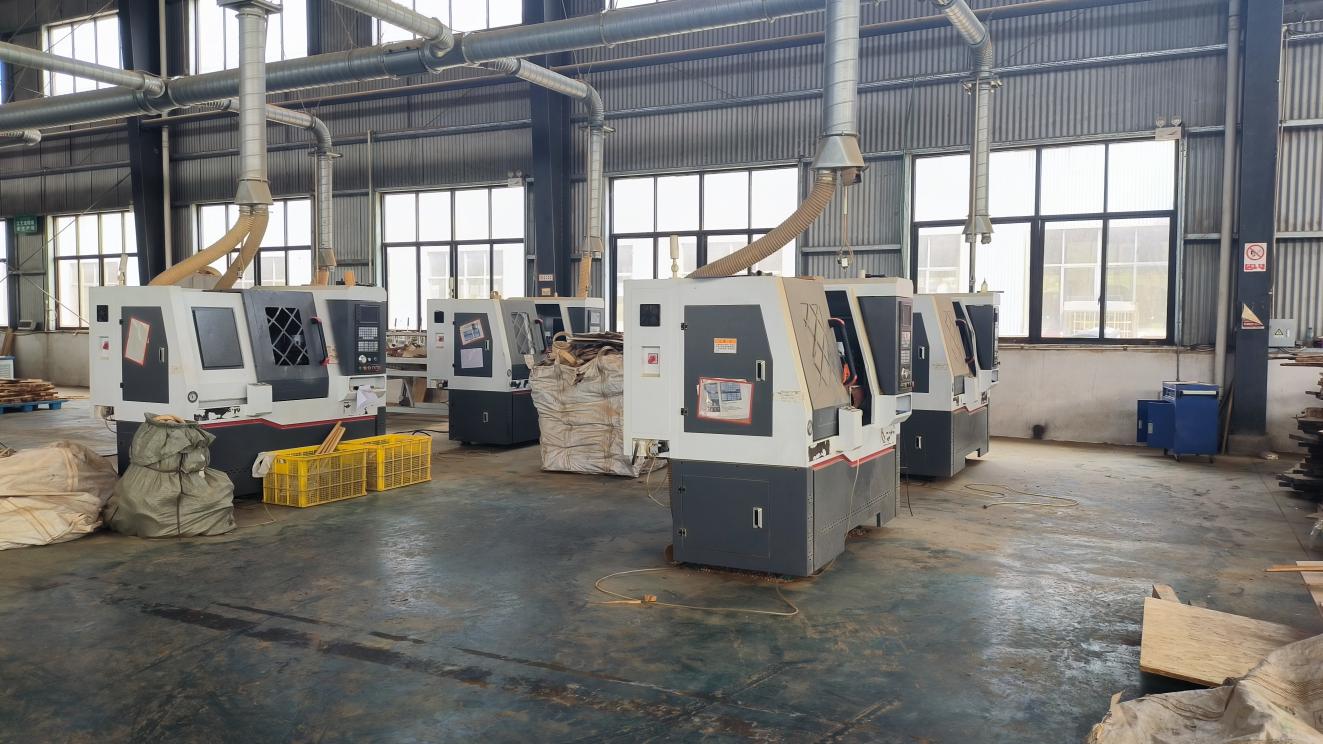
Our production facilities utilize modern technology and skilled handcrafting to guarantee structural durability and safety.
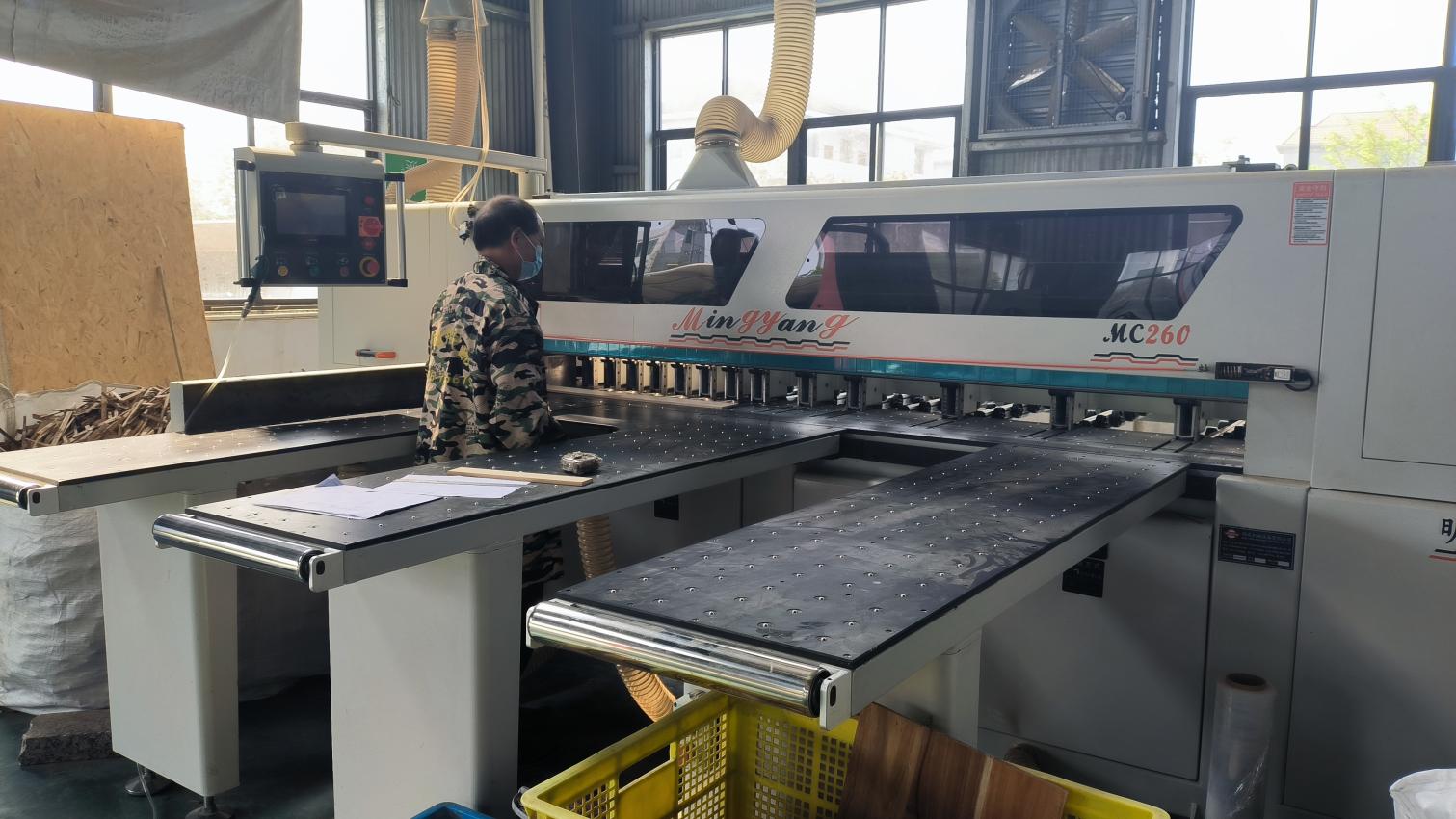
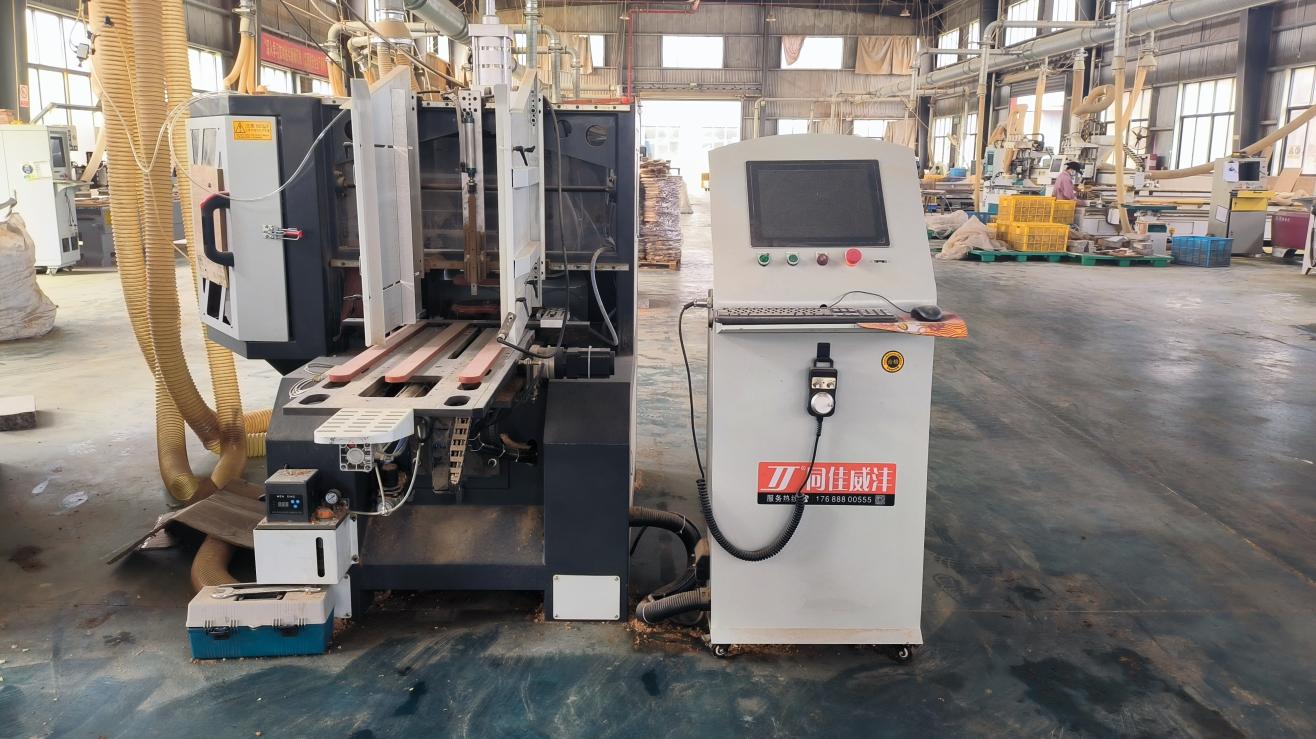
Cutting Raw Bamboo
Cutting
Forming Board Blocks
Forming
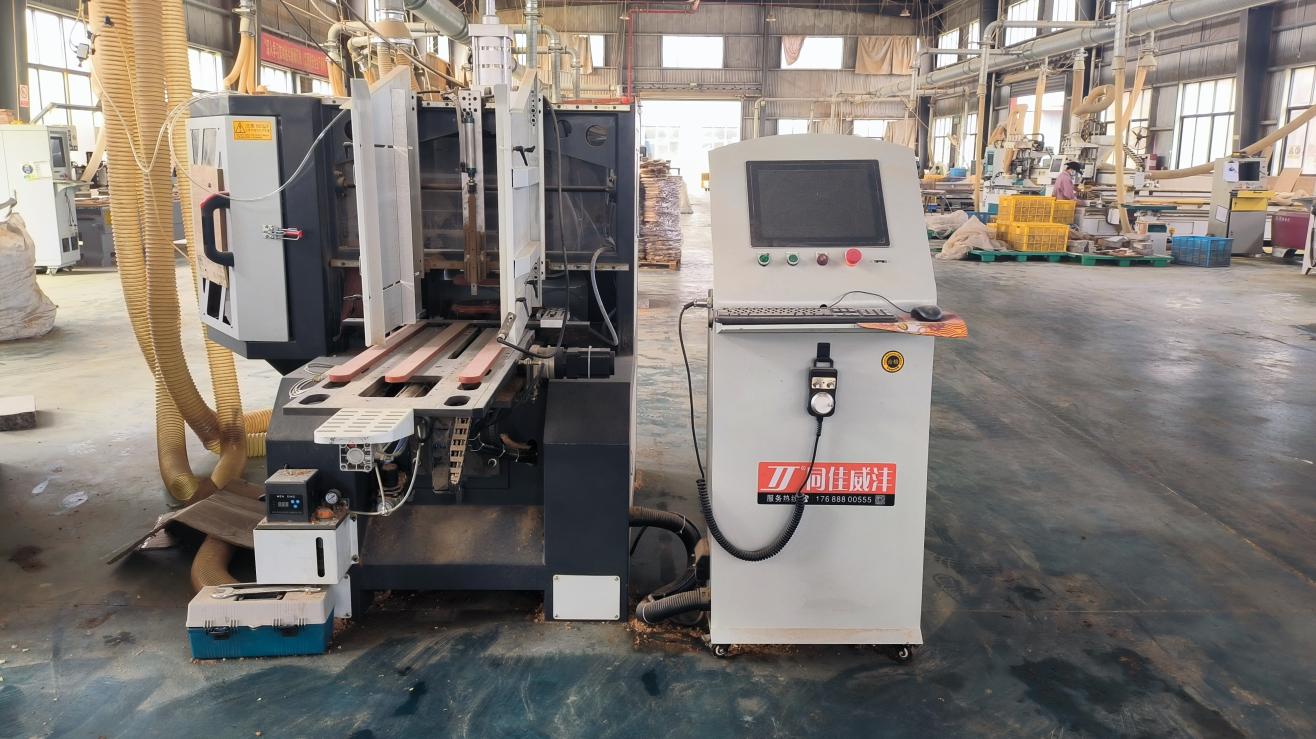
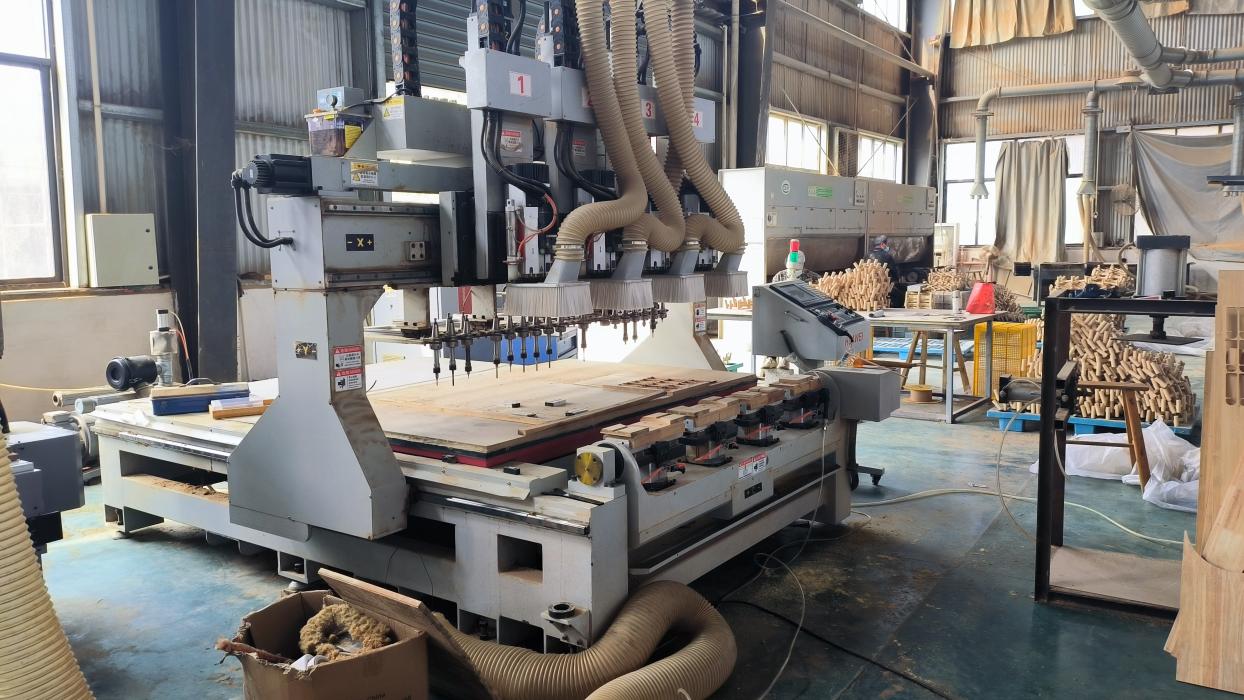
CNC Carving and Shaping
CNC Machining
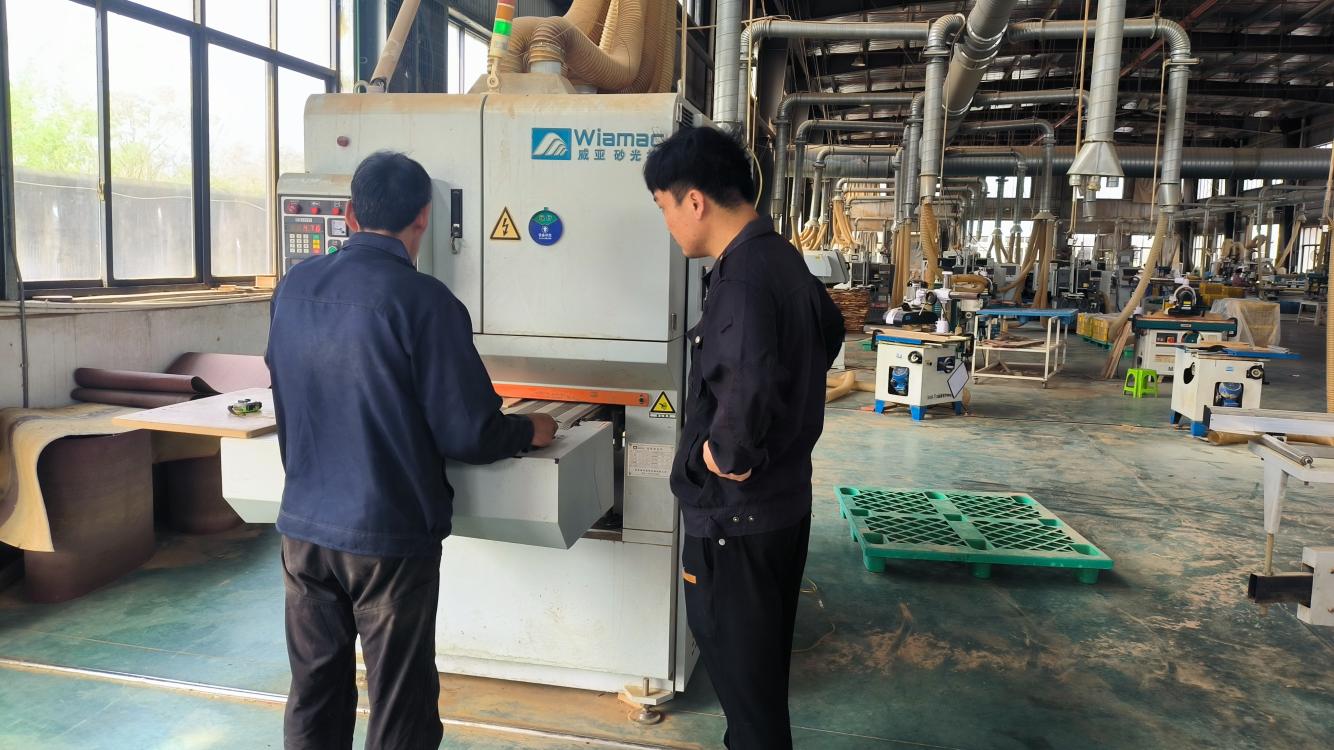
Precision Grinding and Sanding
Grinding
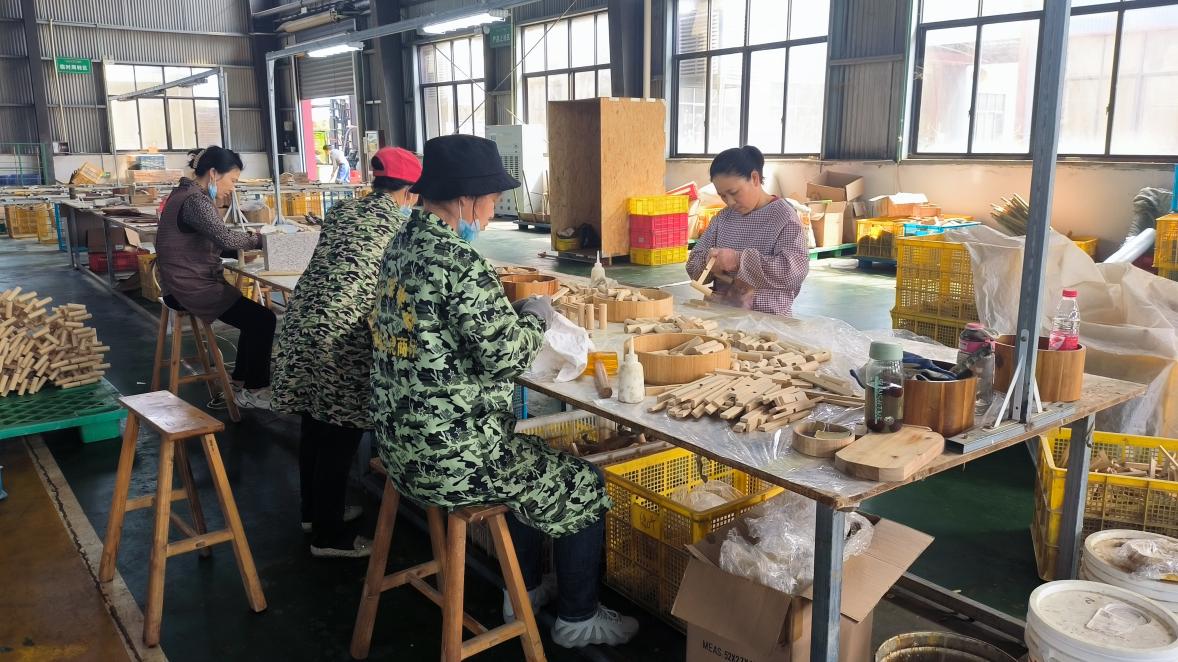
Manual Assembly Line
Assembly
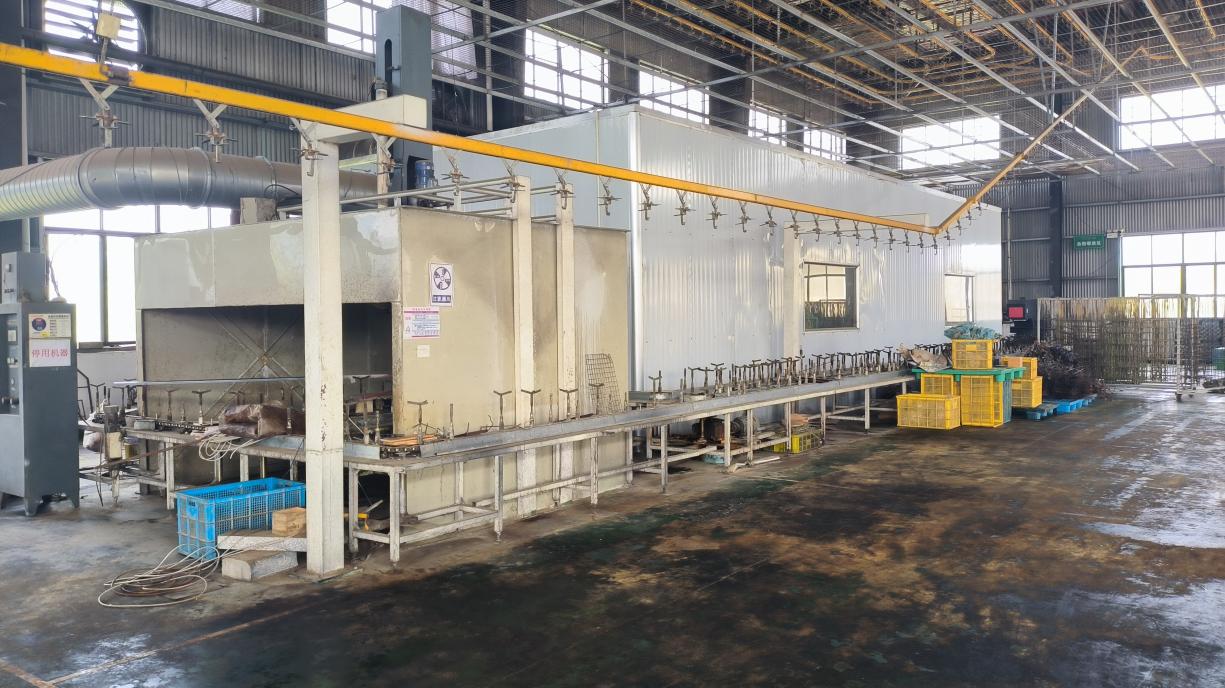
Food-grade Varnish Painting
Painting
Automated Packaging System
Packaging
Heavy-duty Cutting Machine
Cutting Machine
Precision Grinding Machine
Grinding Machine
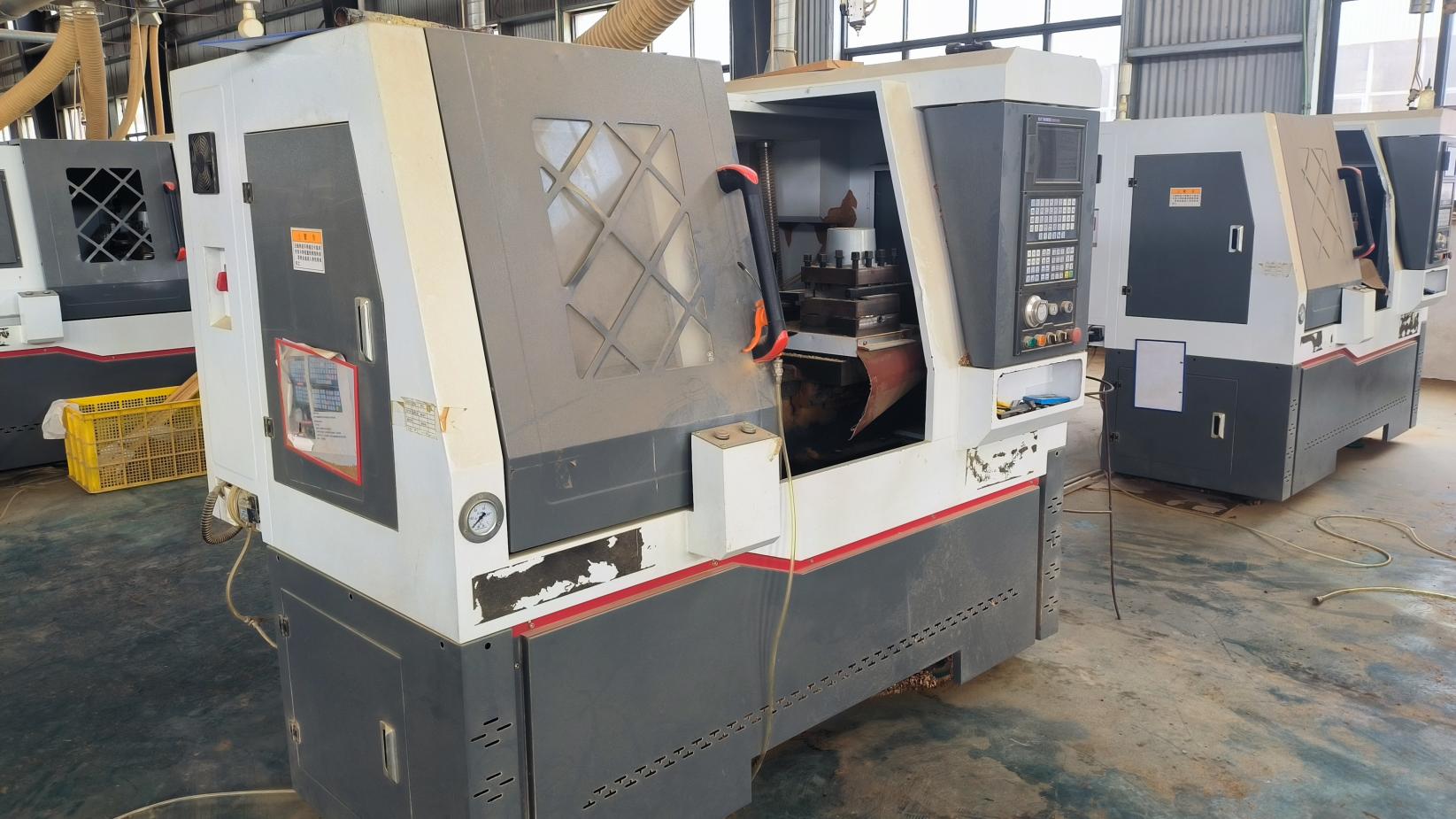
Advanced CNC Lathe
CNC Lathe
Primary Forming Machine
Forming Machine
High-Speed Automatic Forming Machine
Automatic Forming Machine

3. Manufacturing Excellence: The Anatomy of Premium Bamboo Containers

Engineering high-performance bamboo sandwich boxes requires optimizing material science to resist moisture absorption, warping, and cracking. The manufacturing process operates on a sequence designed to produce structural integrity and long-term durability:

  • Structural Carbonization: The raw bamboo strips undergo high-temperature steam carbonization. This removes natural starches and sugars, rendering the material resistant to fungal growth and boring insects.
  • High-Pressure Lamination: Using food-safe, formaldehyde-free binders, the carbonized strips are pressed under multi-ton hydraulic systems to form cross-laminated boards, ensuring they resist expansion.
  • Computerized CNC Carving: Heavy-duty, high-speed CNC lathes and forming systems carve each compartment and lid recess directly from the solid block, ensuring a reliable fit for silicone seal systems.
  • Multistage Sanding & Micro-Grinding: Automated and manual sanding processes remove all fibers, creating a smooth surface that prevents food trapping and makes cleaning easy.
  • Polymer-Free Waterproofing: The containers are coated with a food-safe plant-based oil or water-based finish, dried in cleanrooms, and cured under UV lines to seal the wood.

4. China Factory Advantages: The Hub of Advanced Manufacturing

While small workshops worldwide produce custom timberware, China’s industrial bamboo corridors offer unique advantages in capacity, price, and technology:

  • Proximity to Raw Material Basins: Operating factories in close proximity to massive bamboo forests eliminates long-distance transport, stabilizing raw material costs and reducing carbon emissions during primary processing.
  • Industrial Supply Chain Clusters: Our facilities are surrounded by specialized machinery providers, mold-making services, and advanced coating suppliers, helping us complete custom tooling in days instead of weeks.
  • Compliance-Driven Engineering: Established export factories maintain complete documentation trails, ensuring all shipments comply with EU (LFGB), North American (FDA), and international social responsibility standards (BSCI / SMETA).

Procurement Metric: Solid vs. Fiber-Molded Boxes

B2B buyers should distinguish between solid-carved bamboo and fiber-molded composite boxes. Solid-carved boxes feature continuous natural grain structures with high impact resistance and contain no added polymers. Fiber-molded alternatives are lightweight and highly moldable, but require careful testing to ensure zero migration of chemical binders.

5. Industrial Customization Solutions & Global Enterprise Sourcing

Our factory provides B2B clients with comprehensive design and production support:

  • Laser-Engraved & Hot-Stamped Branding: High-speed optical fiber lasers etch logos directly onto the wood without using chemical dyes or inks, ensuring the process remains fully food-safe.
  • Integrated Food-Grade Seals: We integrate food-grade, LFGB-certified silicone seals and elastomeric tension bands, making our boxes spill-resistant and suitable for daily transport.
  • Modular Interior Layouts: We design custom wood dividers that create distinct dry and wet zones, allowing users to pack diverse meal options in a single container.
  • Bespoke Packaging Systems: We offer customized kraft boxes, bio-based shrink wraps, and recycled pulp sleeves to support retail displays and reduce secondary packaging waste.

6. Regional Application Scenarios: Where Bamboo Excels

The physical durability and premium appearance of bamboo containers support their use across several key markets:

  • Corporate Gift Programs: High-end, branded eco-containers serve as corporate gifts that align with ESG goals and help reduce workplace single-use plastic waste.
  • Zero-Waste Retailers: Specialized grocery chains offer discount systems for customers who bring their own food-grade bamboo containers for bulk products.
  • Educational Lunch Initiatives: Schools utilize impact-resistant, toxin-free bamboo boxes to provide children with safe, chemical-free lunchware.
  • Outdoor & Travel Brands: Outdoor enthusiasts use these lightweight, durable boxes for camping, hiking, and travel, replacing traditional metal or plastic alternatives.

7. Global Market Trends: The Roadmap to 2030

The sustainable tableware market is experiencing rapid change. Over the next five years, key growth areas will include:

  • Hybrid Material Integration: Combining natural bamboo bodies with borosilicate glass bases or stainless steel liners to provide leakproof, microwave-safe, and dishwasher-friendly performance.
  • Smart Traceability: Embedding QR codes or NFC tags in the base to track raw material origins, manufacturing dates, and local recycling guidelines.
  • FSC-Chain of Custody Integration: Corporate buyers increasingly require FSC-Certified supply chains to ensure all wood inputs originate from responsibly managed forests.

Expert Q&A: In-Depth Sourcing Analysis

Expert answers to critical engineering, safety, and logistical questions raised by B2B buyers during factory audits.

Q1: How do you guarantee that bamboo sandwich boxes are food-safe and leak-proof?
Our boxes use raw materials certified under LFGB and FDA regulations. We test for chemical migration, heavy metals, and formaldehyde to ensure complete safety. Leakproof performance is achieved by integrating high-tolerance CNC-milled grooves with food-grade silicone seals, ensuring a secure seal during transit.
Q2: Can bamboo sandwich boxes be used in microwaves or dishwashers?
Solid natural bamboo boxes are not recommended for microwave or dishwasher use. Extreme heat and soaking can dry out the natural fibers, causing warping or cracking over time. For microwave-safe needs, we offer hybrid designs featuring removable glass or stainless steel inserts.
Q3: What is the difference between solid bamboo and bamboo fiber composite boxes?
Solid bamboo boxes are carved from laminated natural bamboo poles, retaining the natural wood grain and containing no added plastics. Bamboo fiber composite boxes are made by mixing ground bamboo powder with polymers or resins, which allows for complex shapes but requires testing to ensure food safety.
Q4: What is the typical Minimum Order Quantity (MOQ) for custom OEM orders?
Our standard MOQ for custom laser-engraved designs is 1,000 units. For fully customized sizes, structural changes, or bespoke shapes requiring unique CNC programming and dedicated molds, our minimum order quantity starts at 3,000 units.
Q5: How does the factory prevent mold and bacterial growth on bamboo containers?
We use high-temperature steam carbonization to remove organic sugars and moisture, followed by dry-kiln curing to reduce internal humidity below 10%. We then apply a protective, food-safe varnish to seal the surface against moisture and bacteria.
Q6: What customization options are available for corporate branding and logos?
We offer high-definition fiber laser engraving, color-matched silk-screen printing, and deep hot-stamping. Laser engraving is highly recommended because it is durable and food-safe, without using any inks.
Q7: How long is the typical production and delivery lead time for bulk orders?
Standard orders are processed in 30 to 45 days. This includes raw material prep, carbonization, CNC machining, varnishing, and packaging. Shipping times depend on the destination, with sea freight taking 2 to 5 weeks.
Q8: Are the adhesives used in laminating the bamboo safe for food contact?
Yes, we use food-safe, low-emission, and formaldehyde-free cross-linking adhesives. These bonds are cured under high heat and pressure, ensuring they meet or exceed international safety standards for food contact.
Q9: What certifications does Shandong Ghella Kitchen Co., Ltd. maintain?
We maintain certification across several key areas: ISO 9001 for quality systems, FSC for sustainable timber tracking, BSCI and SMETA for workplace standards, and FDA, LFGB, and EU compliance for materials safety.
Q10: How do you manage quality control from raw materials to final packaging?
Our quality system covers three main stages: raw materials checks, in-line audits of dimensions and moisture content, and final pre-shipment inspections of seals, finishes, and packaging.